
Understanding Remote Identification: Ensuring Safe Drone Operations in the UAE


As the use of drones continues to grow in the UAE, ensuring their safe operation has become a priority. One of the key components in maintaining airspace safety is Remote Identification (Remote ID). This technology provides a foundation for safe drone operations by allowing authorities to identify and track drones in real-time.
Remote ID is essentially a digital license plate for drones. It broadcasts information about the drone and its operator, making it easier for authorities to manage unmanned aerial systems, especially in crowded airspaces. Understanding how Remote ID works is crucial for both drone operators and policymakers.

What is Remote Identification?
Remote Identification is a system that enables the identification of drones during flight. This system broadcasts crucial information such as the drone's location, altitude, speed, and the operator's details. This information ensures that drones are operating safely within regulated areas and helps prevent unauthorized or potentially dangerous activities.
How Does Remote ID Work?
Remote ID functions by transmitting data from the drone to a receiver, which can be accessed by relevant authorities. This data typically includes:
- The drone's unique identification number
- Location and altitude of the drone
- Velocity
- Location of the control station or take-off point
- Emergency status (if applicable)
This information is crucial for maintaining order and safety in the airspace, enabling quick response to incidents.
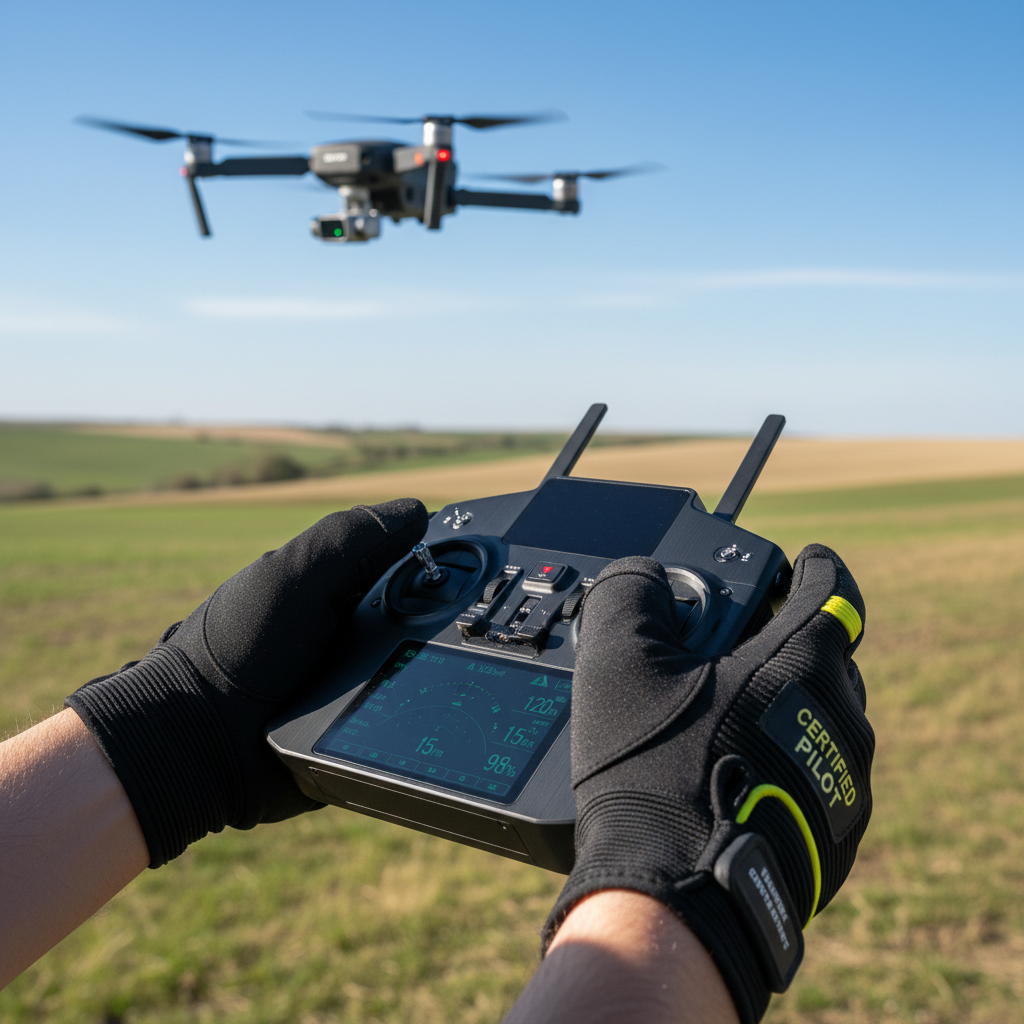
The Importance of Remote ID in the UAE
The UAE has a rapidly growing drone industry, with applications ranging from commercial deliveries to aerial photography. As such, implementing Remote ID is vital to ensure that these operations do not jeopardize safety. It provides a layer of accountability and helps integrate drones seamlessly into the national airspace.
Benefits for Drone Operators
For drone operators, Remote ID offers several advantages. Firstly, it enhances operational safety by ensuring compliance with regulations. Secondly, it fosters trust among stakeholders, including the public and local authorities, by showcasing responsible drone usage.

Furthermore, Remote ID can facilitate more advanced uses of drones, such as beyond visual line of sight (BVLOS) operations, by providing the necessary data for risk assessment and management.
Regulatory Framework in the UAE
The General Civil Aviation Authority (GCAA) in the UAE has been proactive in establishing a regulatory framework for drones. Remote ID is a pivotal part of this framework, ensuring that all drones operating in the UAE are identifiable and compliant with safety standards.
Steps for Compliance
Drone operators in the UAE need to ensure their devices are equipped with Remote ID capabilities. This involves:
- Registering the drone with the GCAA
- Ensuring the drone’s Remote ID system is functional and compliant
- Staying updated with any changes in regulations
By adhering to these steps, operators can contribute to a safer airspace.
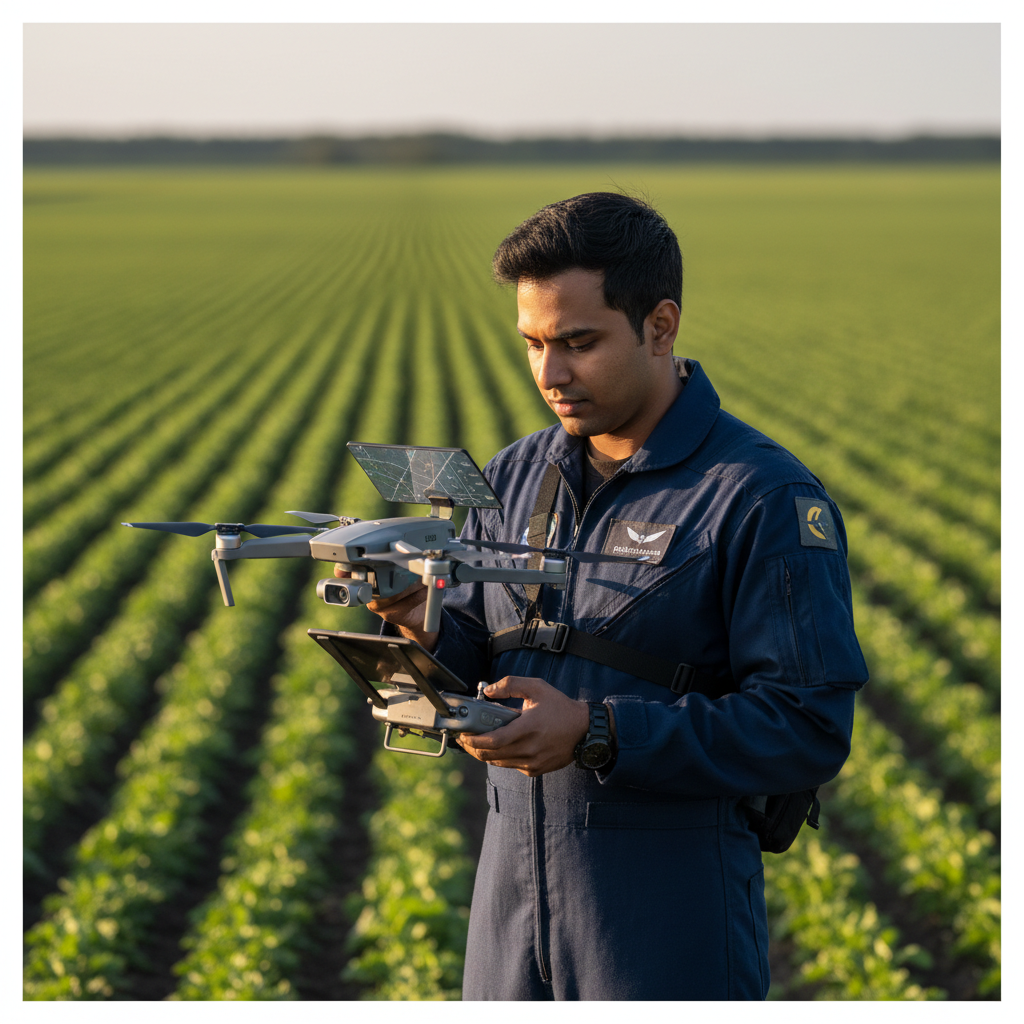
In conclusion, Remote Identification is a critical component in the advancement of drone technology in the UAE. By ensuring that drones are identifiable and trackable, Remote ID supports the safe integration of drones into everyday life, paving the way for innovative applications while maintaining public safety and trust.