
Trends in Unmanned Aerial Systems: Innovations Shaping the Future


Introduction to Unmanned Aerial Systems
The world of Unmanned Aerial Systems (UAS) is rapidly evolving, bringing forth innovations that are transforming industries. From delivery services to environmental monitoring, these systems are proving to be invaluable tools. As technology advances, the applications and capabilities of UAS continue to expand, paving the way for a future where drones play a significant role in daily life.
Advanced Drone Technologies
Autonomous Flight Systems
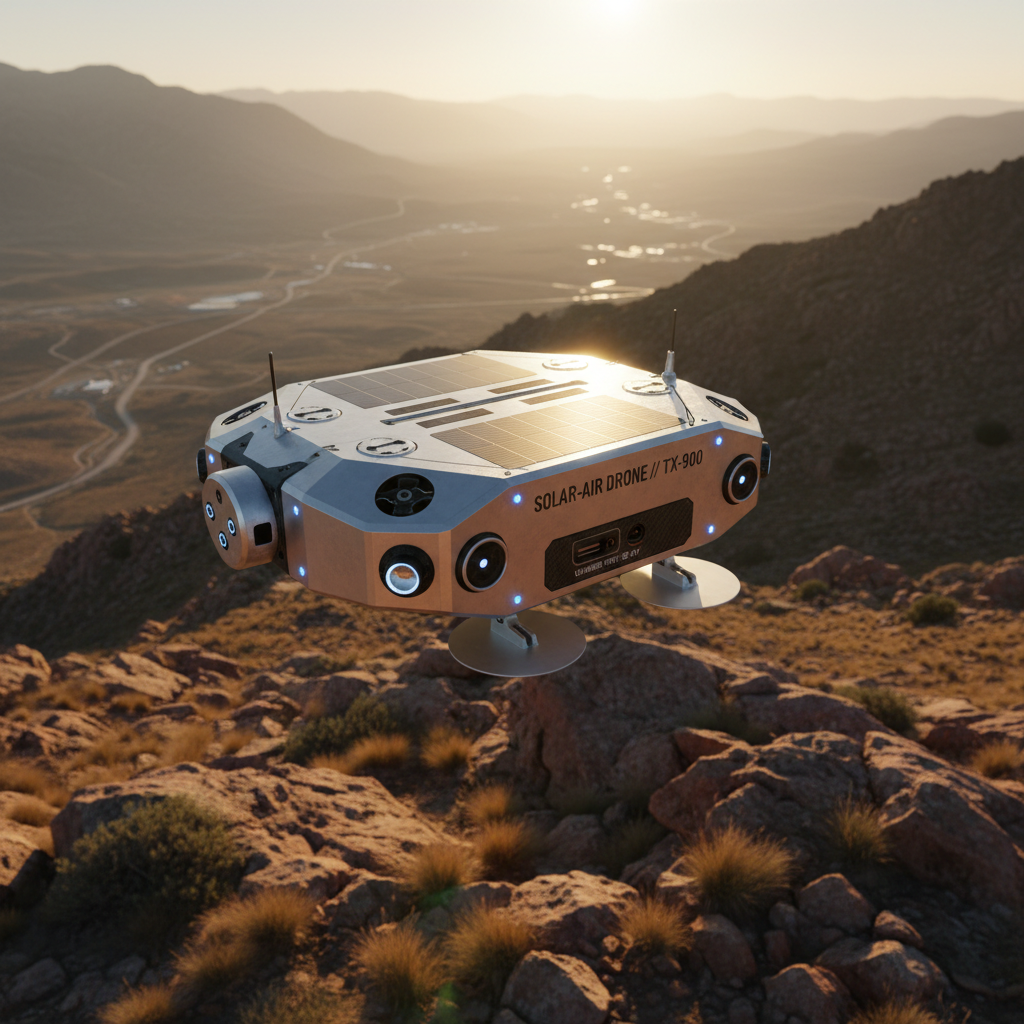
One of the most significant developments in UAS is the enhancement of autonomous flight systems. These systems allow drones to operate without human intervention, using sophisticated algorithms and sensors to navigate complex environments. This capability is crucial for applications in areas such as search and rescue missions, where human access is limited or dangerous.
Improved Battery Life
Battery technology is another area experiencing rapid advancement. Enhanced battery life enables drones to fly longer distances and perform tasks over extended periods without needing frequent recharges. This improvement is particularly beneficial for commercial applications like aerial surveying and agricultural monitoring.
Regulatory Changes
The regulatory landscape for UAS is also evolving to accommodate the growing usage of drones. Governments worldwide are implementing new policies to ensure safety and privacy while promoting innovation. These regulations are crucial for integrating drones into airspace and allowing them to operate alongside manned aircraft safely.
Applications Across Industries
Logistics and Delivery
The logistics industry is one of the primary beneficiaries of UAS technology. Companies are exploring the use of drones for package delivery, reducing delivery times, and cutting emissions. This trend is expected to grow as regulations become more accommodating and technology continues to advance.
Agricultural Innovations
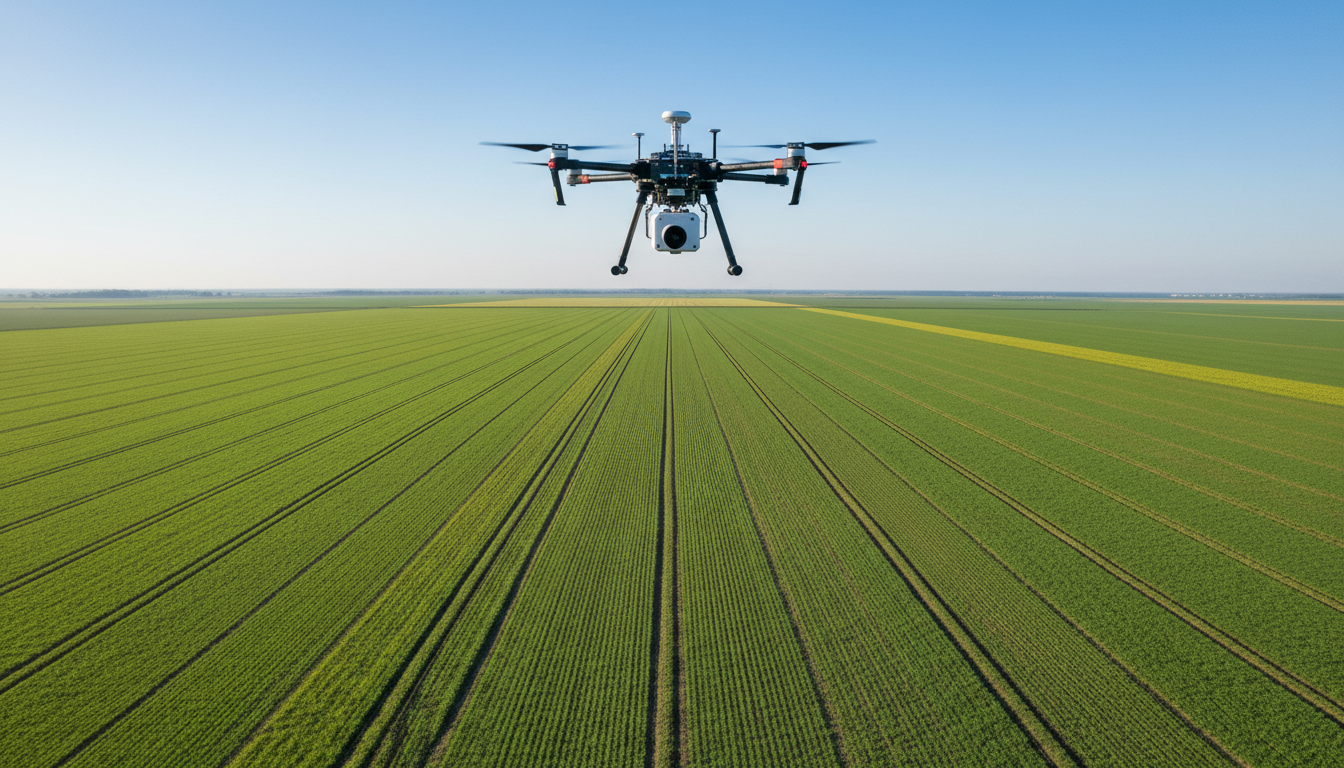
In agriculture, drones are being used for precision farming practices. They provide farmers with vital data on crop health, soil conditions, and pest infestations, enabling more efficient and targeted interventions. This innovation leads to increased crop yields and reduced resource consumption.
Environmental and Conservation Efforts
Unmanned Aerial Systems are playing a critical role in environmental monitoring and conservation. Drones equipped with cameras and sensors can track wildlife populations, monitor deforestation, and assess the health of ecosystems. This data is invaluable for conservationists working to protect endangered species and habitats.
Challenges and the Road Ahead
Despite the numerous advancements, the UAS industry faces challenges, including concerns over privacy, security, and airspace management. Addressing these issues is essential for the continued growth and acceptance of drone technology. As stakeholders collaborate on solutions, the future of UAS looks promising, with endless possibilities for innovation and application.
Conclusion
The trends in Unmanned Aerial Systems highlight a dynamic and rapidly changing field. As technology continues to advance, drones will undoubtedly become more integrated into various sectors, offering innovative solutions to longstanding challenges. Keeping an eye on these trends will be essential for businesses and individuals looking to leverage UAS technology in the future.