
Training and Simulation with Drones: Enhancing Operational Readiness


Introduction to Drone Training and Simulation
In recent years, the use of drones has expanded rapidly across various industries, from agriculture to emergency services. As this technology continues to evolve, the need for effective training and simulation becomes increasingly critical. Training with drones enhances operational readiness, ensuring that operators can perform their tasks efficiently and safely.
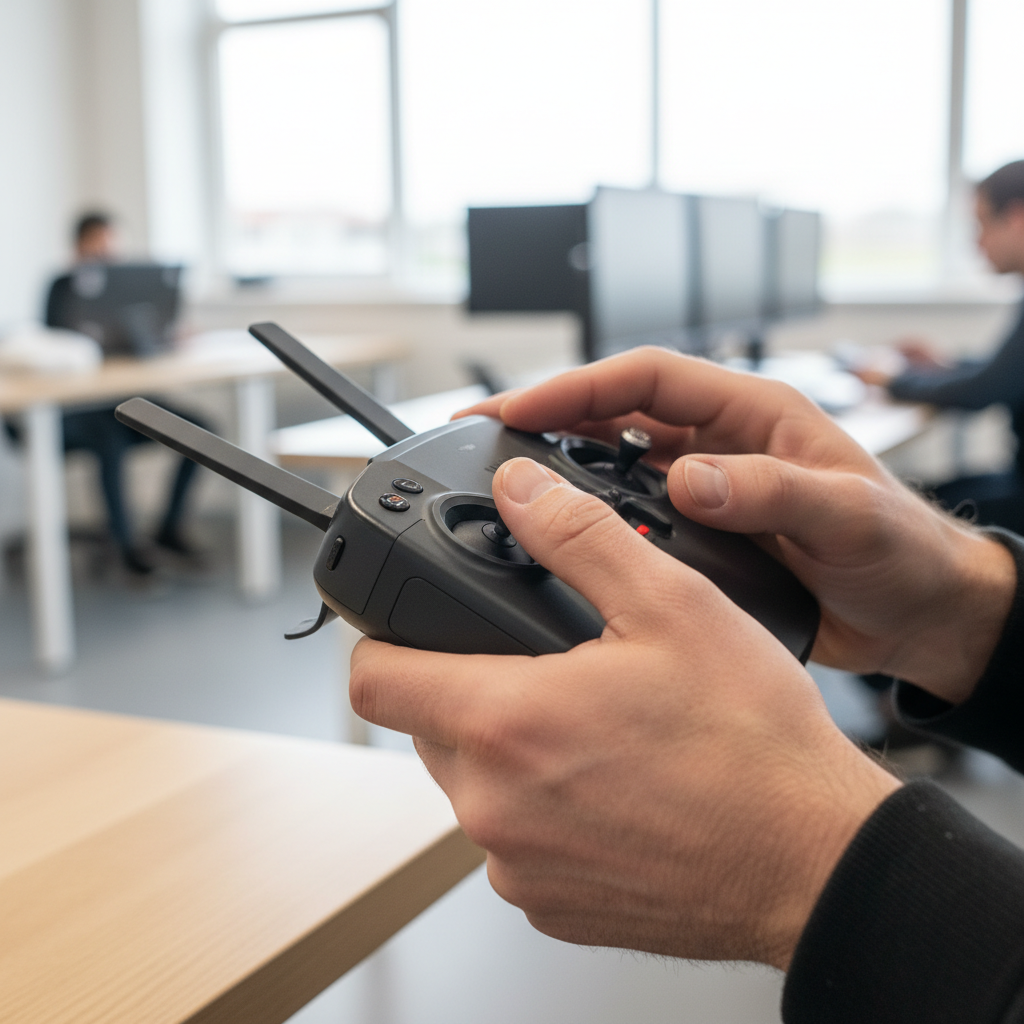
The Importance of Simulation in Training
Simulation plays a vital role in drone training, offering a risk-free environment where operators can learn and practice. By simulating real-world scenarios, trainees can develop the necessary skills without the potential pitfalls of live training. This method is both cost-effective and safe, allowing for comprehensive learning experiences.
Simulation provides a controlled setting where various scenarios can be tested, from navigating complex terrains to responding to emergency situations. This flexibility enables trainees to be well-prepared for actual operations.
Benefits of Using Drones in Training
Incorporating drones into training programs offers numerous advantages. Below are some key benefits:
- Realistic Scenarios: Drones can replicate real-life conditions, providing a hands-on experience.
- Cost Efficiency: Training with drones reduces costs associated with traditional training methods.
- Accessibility: Drones make it easier to access hard-to-reach areas, enhancing training effectiveness.
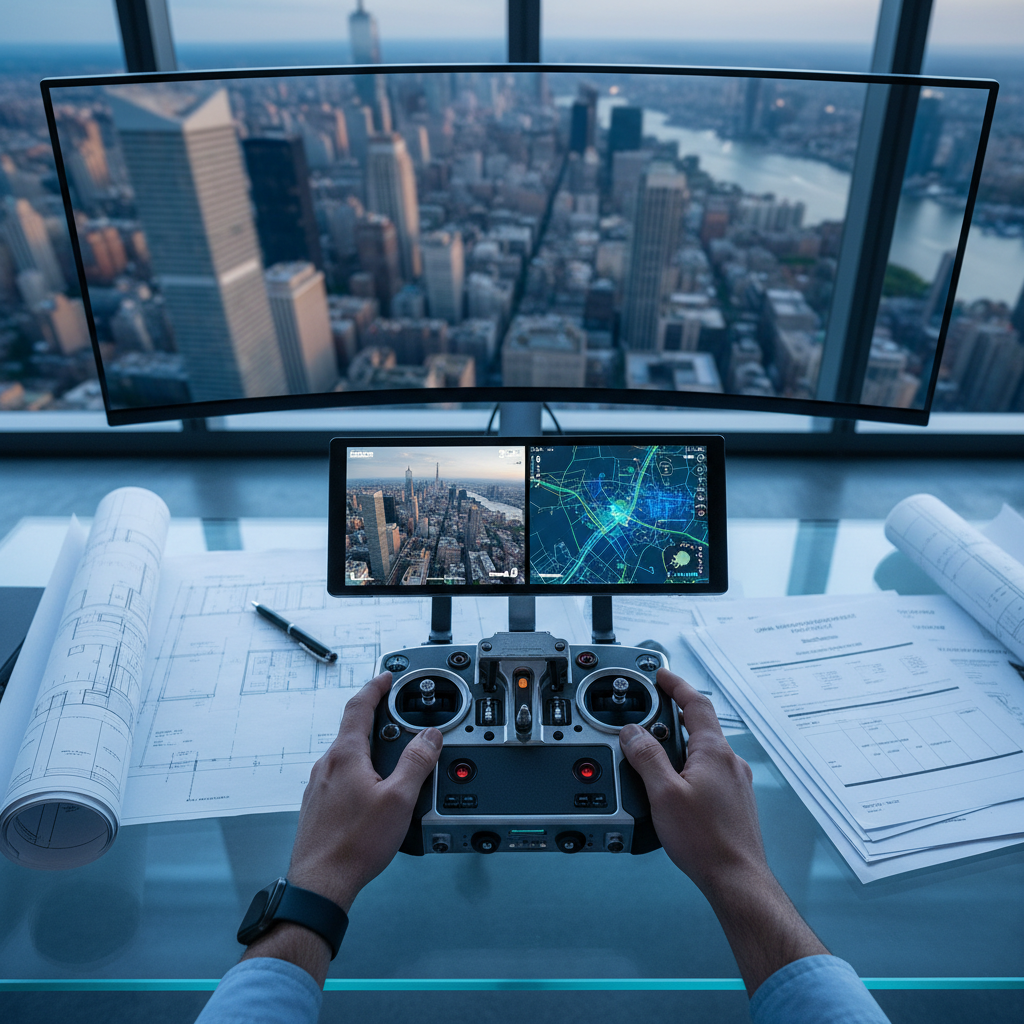
Enhancing Skills Through Technology
Advanced technology in drone simulation allows for detailed feedback and performance analysis. Trainees can receive immediate insights into their actions, helping them understand mistakes and improve their skills. This data-driven approach to training ensures continuous development and proficiency.
Moreover, the integration of AI and machine learning in simulation software can personalize training experiences, adapting to the individual's learning pace and style.
Challenges and Solutions
While the advantages are clear, there are also challenges in implementing drone training and simulation. Some obstacles include technological limitations and the initial investment for high-quality simulation systems. However, these challenges can be addressed through:
- Continuous updates and improvements in simulation technology.
- Collaboration with technology providers to ensure access to the latest advancements.
- Focusing on long-term cost savings to justify initial investments.
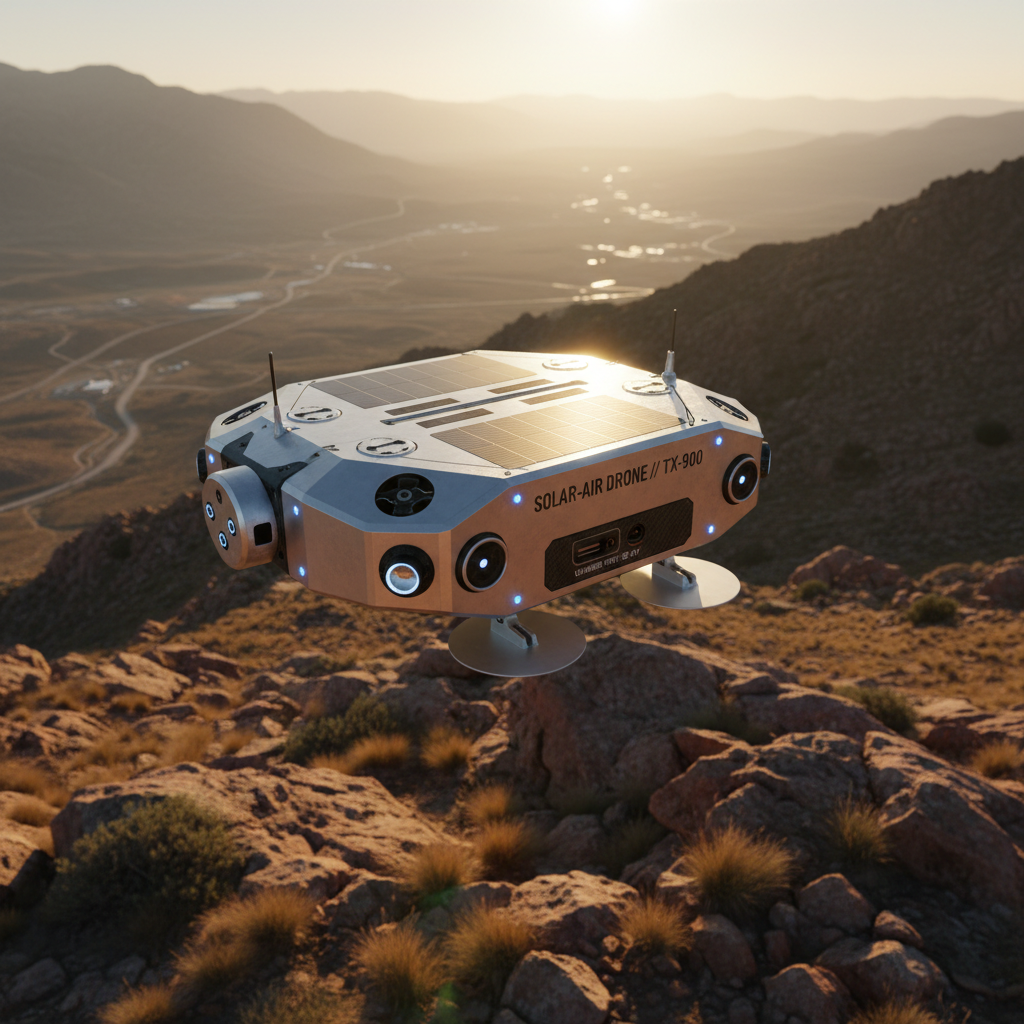
Future of Drone Training and Simulation
The future of drone training and simulation is promising, with ongoing advancements likely to enhance its effectiveness further. As technology continues to evolve, we can expect more immersive and interactive training experiences that closely mimic real-world conditions.
These advancements will not only improve individual operator skills but also contribute to broader industry standards, ensuring that drone operations are carried out safely and efficiently.