
Top Use Cases for Unmanned Aerial Systems in Industrial Inspections


Introduction to Unmanned Aerial Systems in Industrial Inspections
Unmanned Aerial Systems (UAS), commonly known as drones, have revolutionized industrial inspections. By providing a bird's-eye view and accessing hard-to-reach areas, UAS enhance safety, reduce costs, and improve efficiency. As industries continue to embrace this technology, several use cases have emerged that highlight its transformative impact.
From infrastructure to energy sectors, drones are increasingly integral to modern inspection processes. Let’s explore some of the top use cases for UAS in industrial inspections and understand why they are becoming indispensable tools.
Infrastructure Inspections
Bridges and Tunnels
Drones are widely used to inspect bridges and tunnels, offering a safe and efficient alternative to traditional methods. Equipped with high-resolution cameras and sensors, UAS can quickly identify structural issues such as cracks, corrosion, or other anomalies. This ensures timely maintenance and minimizes potential hazards.
Railway Tracks
Inspecting railway tracks is another significant application. Drones can cover extensive stretches of tracks, capturing detailed images and data. This capability allows for early detection of issues like misalignments or obstructions, which can then be addressed before they pose any risk.
Energy Sector Inspections
Wind Turbines
Inspecting wind turbines is challenging due to their height and location. Drones provide a practical solution by capturing detailed images of turbine blades and other components. This not only reduces the risk to human inspectors but also speeds up the inspection process, ensuring that turbines operate efficiently.
Solar Panels
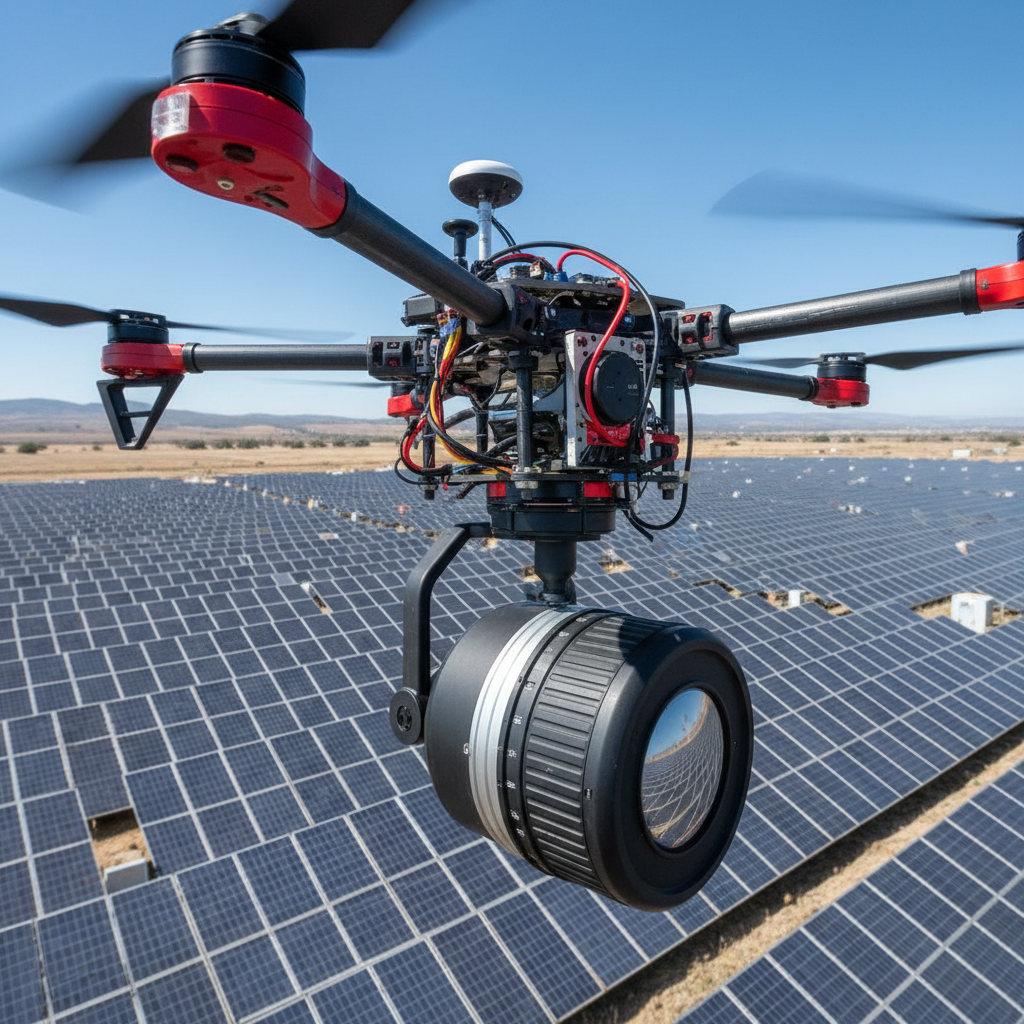
For solar panel inspections, drones equipped with thermal cameras can quickly identify malfunctioning panels. This allows for swift repairs and optimal energy production, enhancing the overall efficiency of solar farms.

Oil and Gas Industry
Pipelines
Monitoring pipelines is critical to prevent leaks and ensure safety. Drones can survey vast pipeline networks, providing real-time data and imagery. This helps in detecting leaks, corrosion, or other potential threats, enabling prompt corrective actions.
Offshore Platforms
Offshore oil rigs and platforms often pose inspection challenges due to their remote locations. Drones overcome these hurdles by delivering precise inspections without the need for costly shutdowns or risking personnel safety.
Conclusion
The integration of Unmanned Aerial Systems into industrial inspections marks a significant advancement in technology and safety. By streamlining processes and providing comprehensive data, drones are transforming how industries maintain their critical infrastructure. As technology continues to evolve, the scope of UAS applications will undoubtedly expand, further enhancing their value in industrial settings.