
The Role of UAVs in Environmental Sustainability: Insights and Innovations


Introduction to UAVs in Environmental Sustainability
Unmanned Aerial Vehicles (UAVs), commonly known as drones, have rapidly become essential tools in the quest for environmental sustainability. Their ability to access remote areas, gather data efficiently, and minimize human impact on ecosystems makes them invaluable for researchers and conservationists. As technology continues to advance, UAVs are transforming the way we approach environmental challenges.
Monitoring and Data Collection
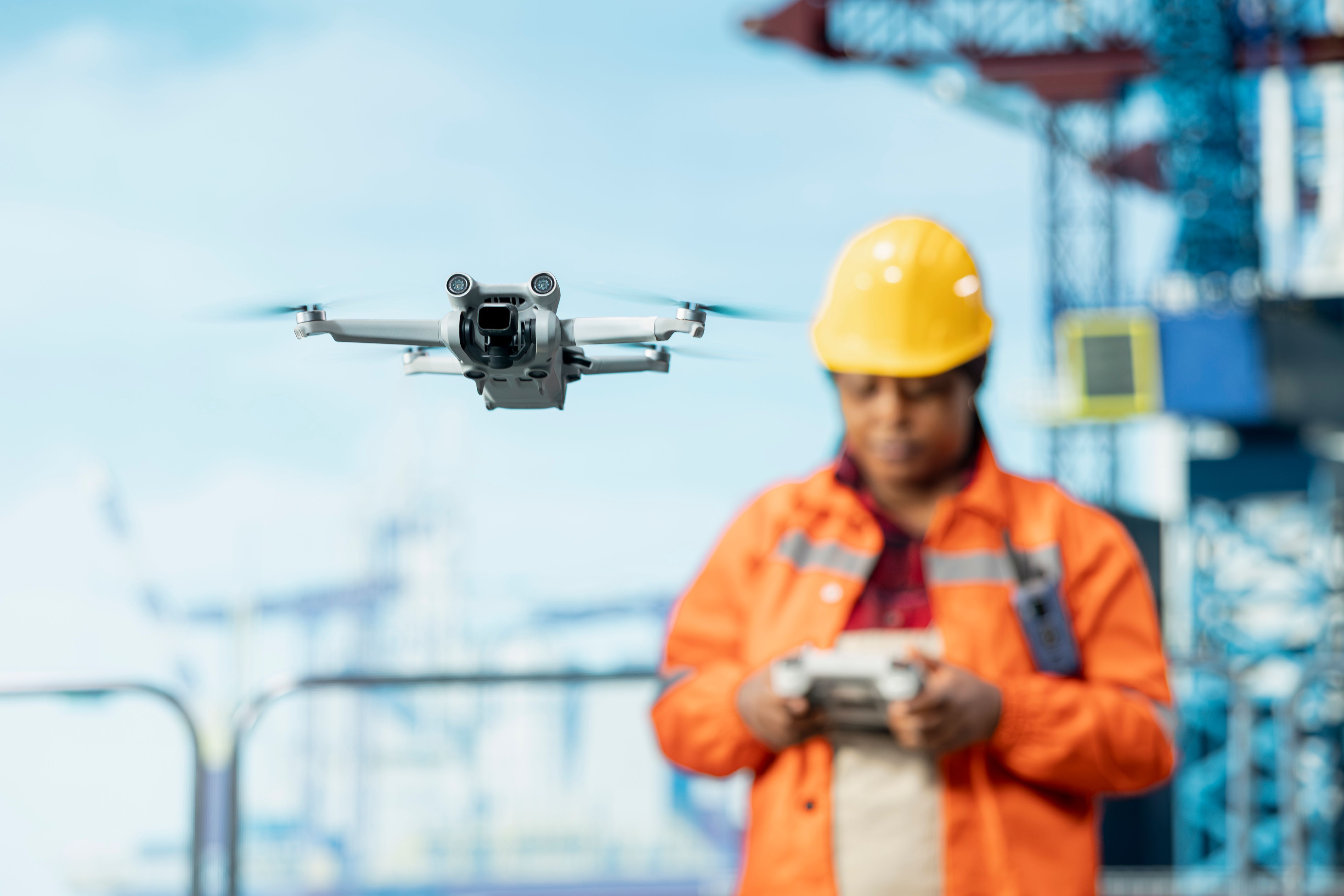
UAVs are revolutionizing the way environmental data is collected. Equipped with high-resolution cameras and sensors, drones can capture detailed images and gather critical data on plant health, animal populations, and changes in land use. This capability allows scientists to monitor ecosystems with unprecedented accuracy and frequency.
In addition to visual data, UAVs can be equipped with thermal and multispectral sensors to assess vegetation health and water quality. These innovations enable researchers to detect subtle changes in ecosystems, providing early warnings of potential environmental threats.
Wildlife Conservation
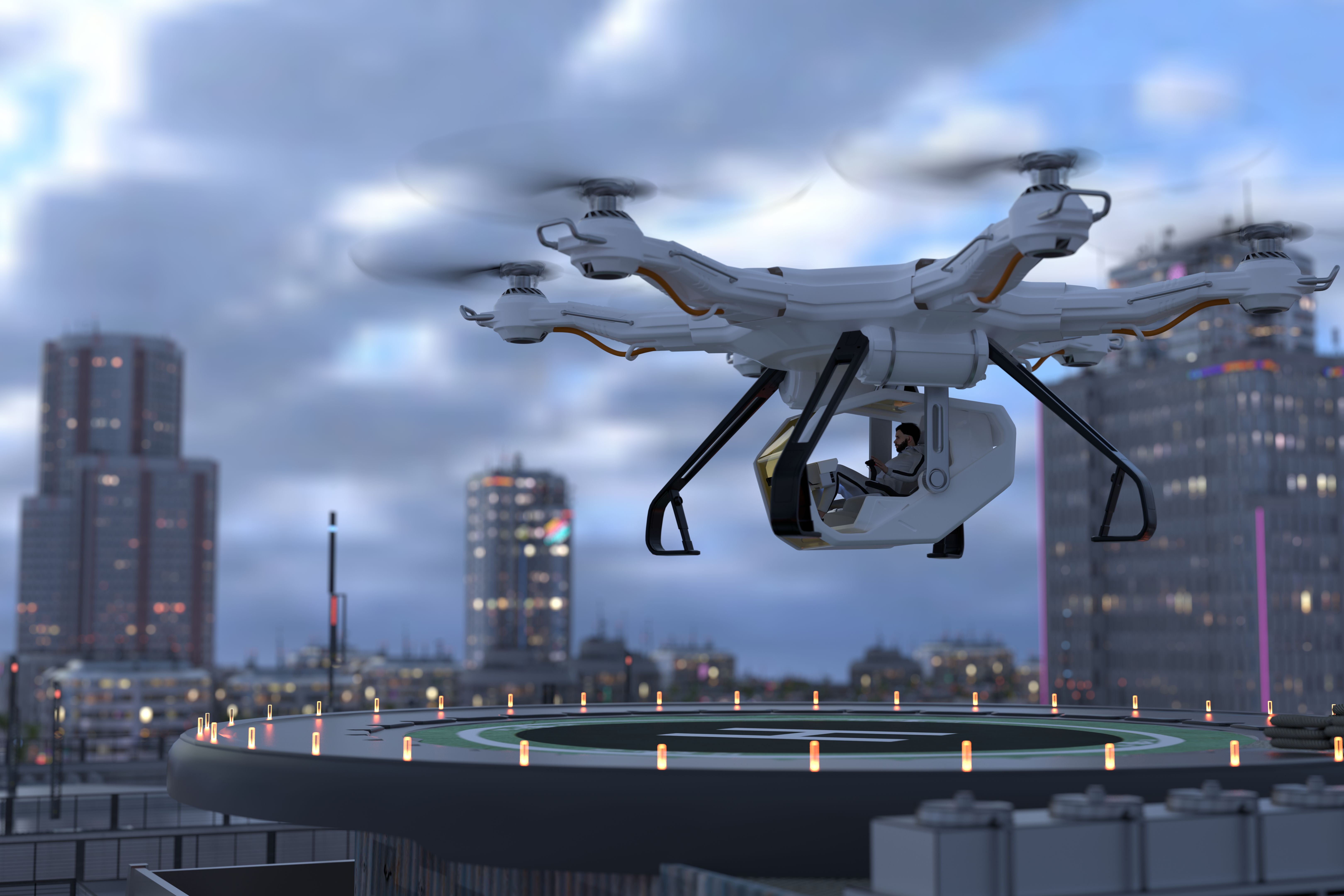
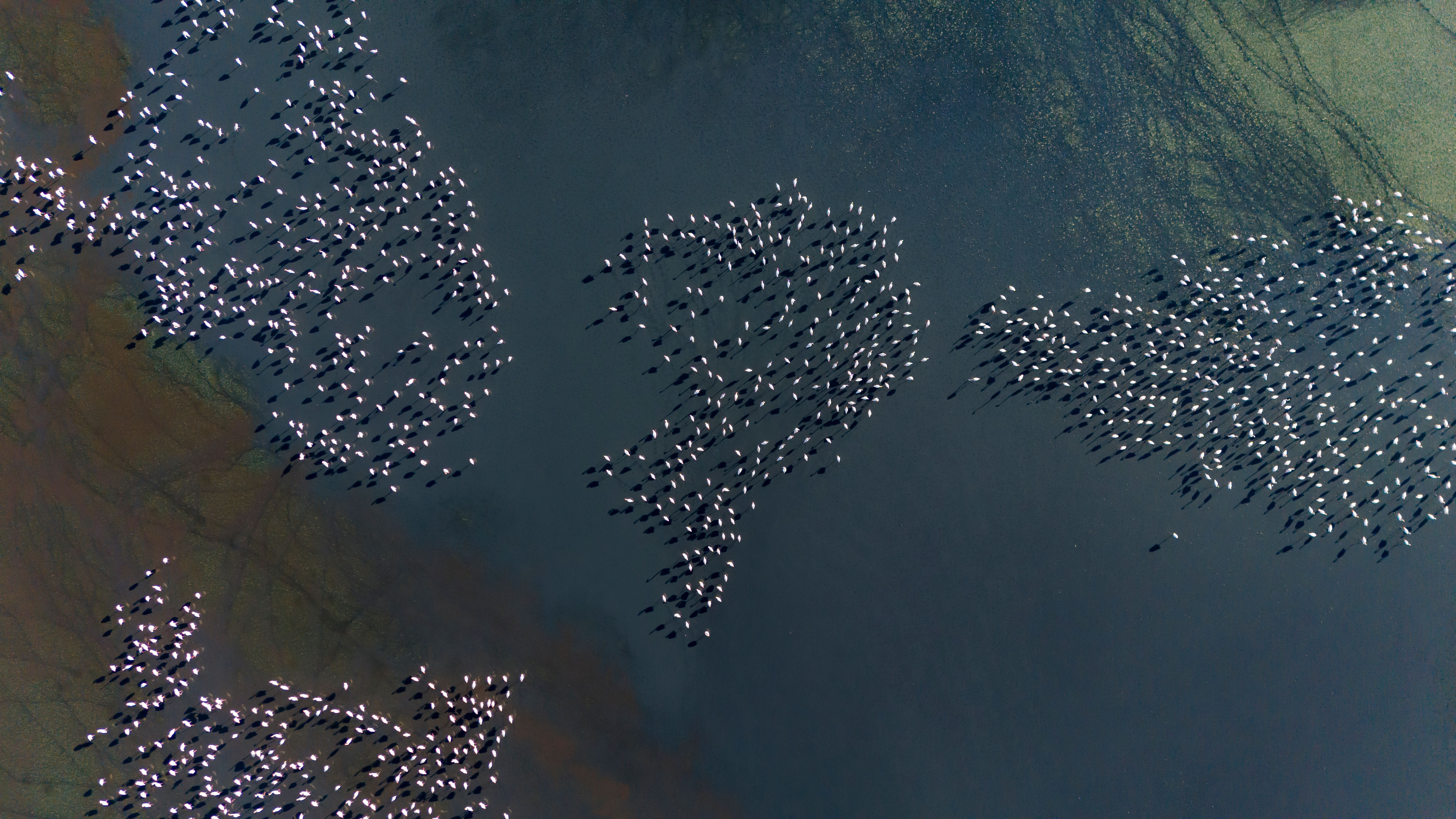
Conservationists are leveraging UAVs to protect endangered species and their habitats. Drones can safely monitor wildlife populations without disturbing them, providing valuable insights into animal behavior and habitat usage. This non-intrusive approach is particularly beneficial for tracking elusive or endangered species.
Moreover, UAVs are used to combat illegal activities such as poaching and deforestation. By providing real-time surveillance, drones help authorities respond swiftly to threats, thereby enhancing the effectiveness of conservation efforts.
Disaster Management and Recovery
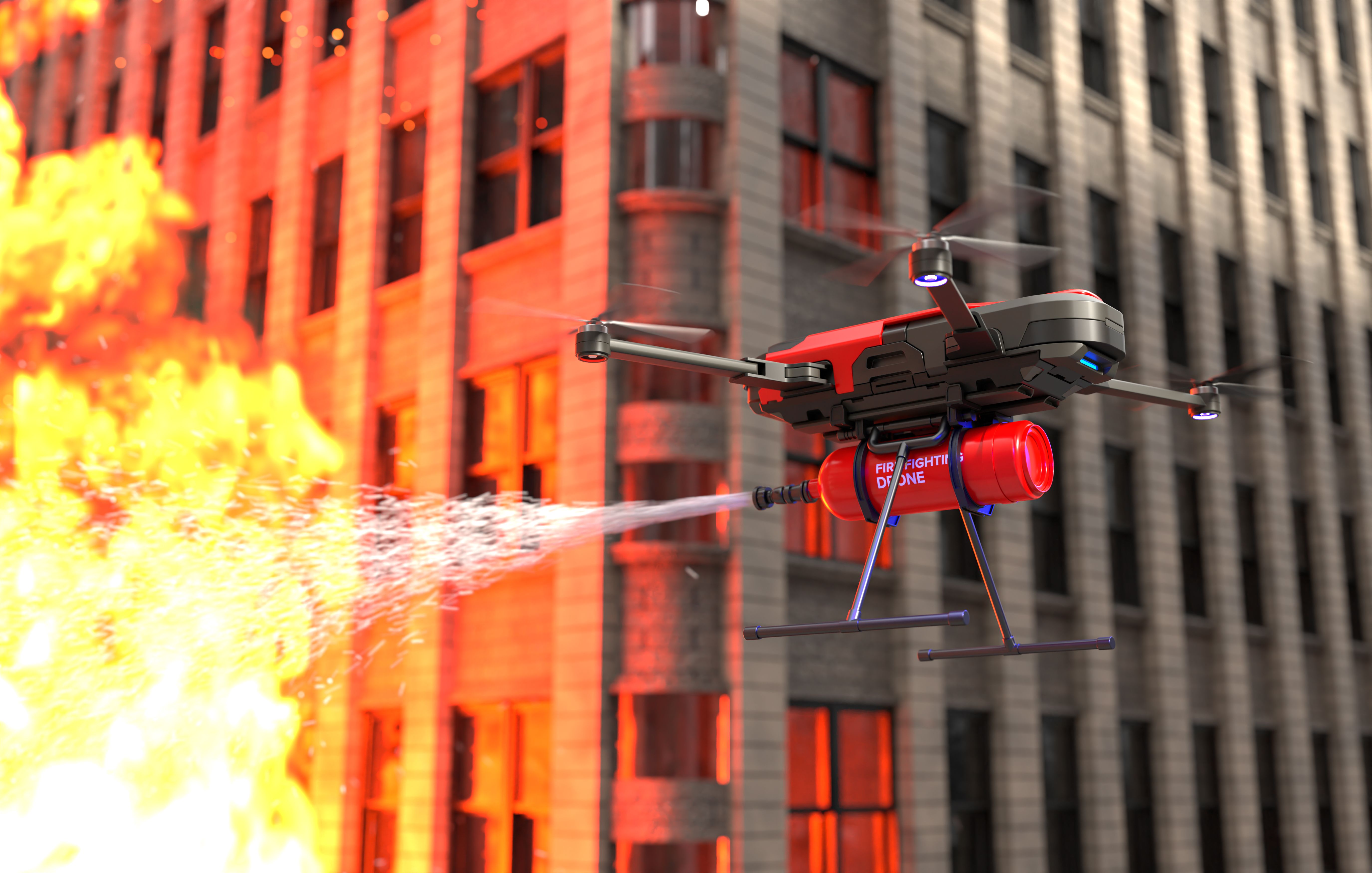
UAVs play a crucial role in disaster management by providing rapid assessments of affected areas. In the aftermath of natural disasters such as floods, fires, or hurricanes, drones can quickly map damage, assess risks, and assist in planning recovery efforts. This capability significantly accelerates the response time and improves the allocation of resources.
Furthermore, UAVs can deliver essential supplies to hard-to-reach areas, ensuring that aid reaches those in need promptly. This application not only saves time but also reduces the carbon footprint associated with traditional delivery methods.
Challenges and Future Prospects
While UAVs offer numerous benefits, they also present challenges. Issues such as privacy concerns, airspace regulation, and technical limitations need to be addressed to maximize their potential. Continuous innovation and collaboration between governments, researchers, and technology developers are vital to overcoming these obstacles.
Looking ahead, the future of UAVs in environmental sustainability is promising. As technology advances, drones will become even more efficient and versatile, enabling more comprehensive environmental monitoring and protection strategies.
Conclusion
UAVs are reshaping the landscape of environmental sustainability, offering new ways to monitor, protect, and preserve our planet. By harnessing the power of drone technology, we can enhance our understanding of ecosystems and implement more effective conservation strategies. As we continue to innovate, the role of UAVs in fostering a sustainable future will only grow stronger.