
The Role of UAVs in Enhancing Security Operations in the UAE


The rapid advancement of technology has significantly transformed security operations worldwide, and the United Arab Emirates (UAE) is no exception. Unmanned Aerial Vehicles (UAVs), commonly known as drones, have become integral to enhancing security measures across the nation. Their ability to provide real-time data, surveillance, and reconnaissance has made them invaluable tools in various sectors.
Enhanced Surveillance Capabilities
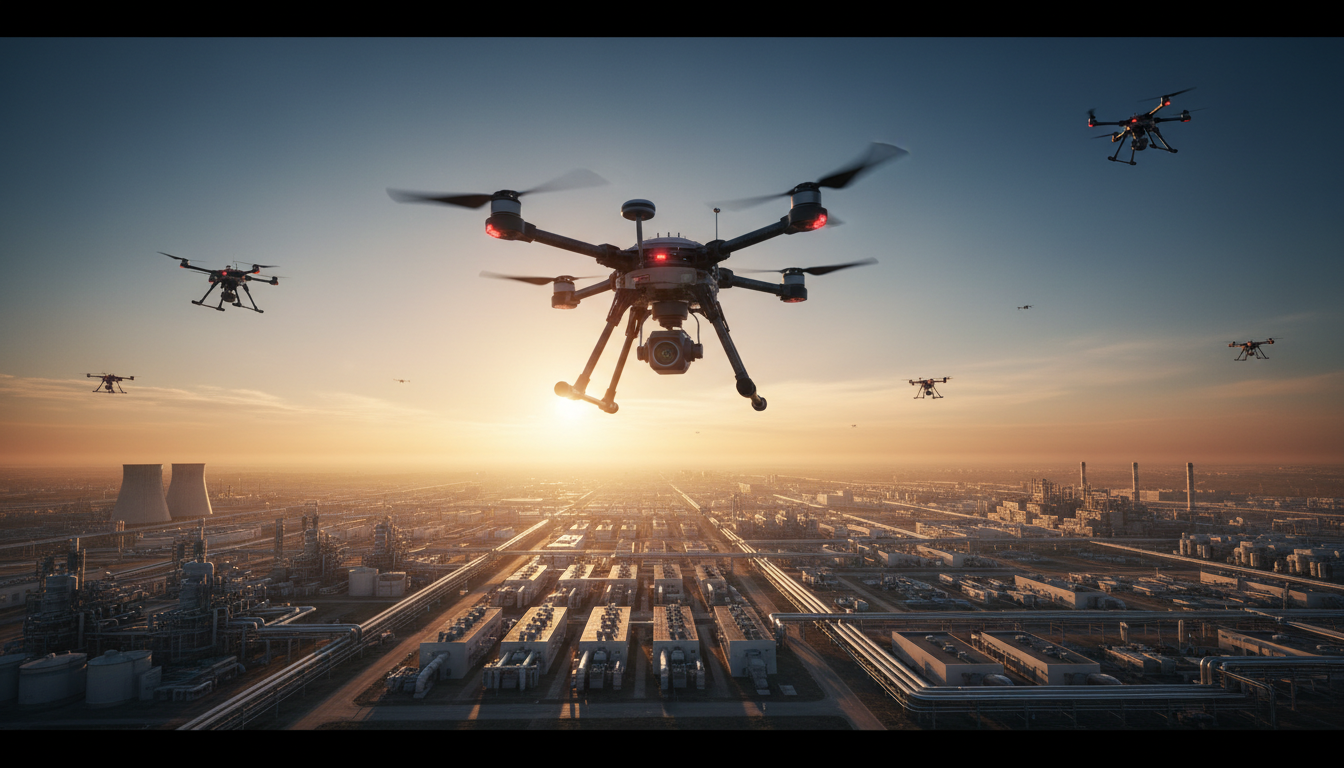
One of the most significant contributions of UAVs to security operations is their ability to conduct enhanced surveillance. Equipped with high-resolution cameras and thermal imaging, drones can monitor large areas more efficiently than traditional methods. This capability is particularly beneficial in the UAE's expansive desert landscapes and urban environments.
Moreover, drones offer persistent surveillance without the need for human intervention, reducing the risk to personnel and allowing for continuous monitoring of critical areas. The ability to hover and capture detailed imagery ensures that potential threats are identified and addressed swiftly.
Rapid Response and Flexibility
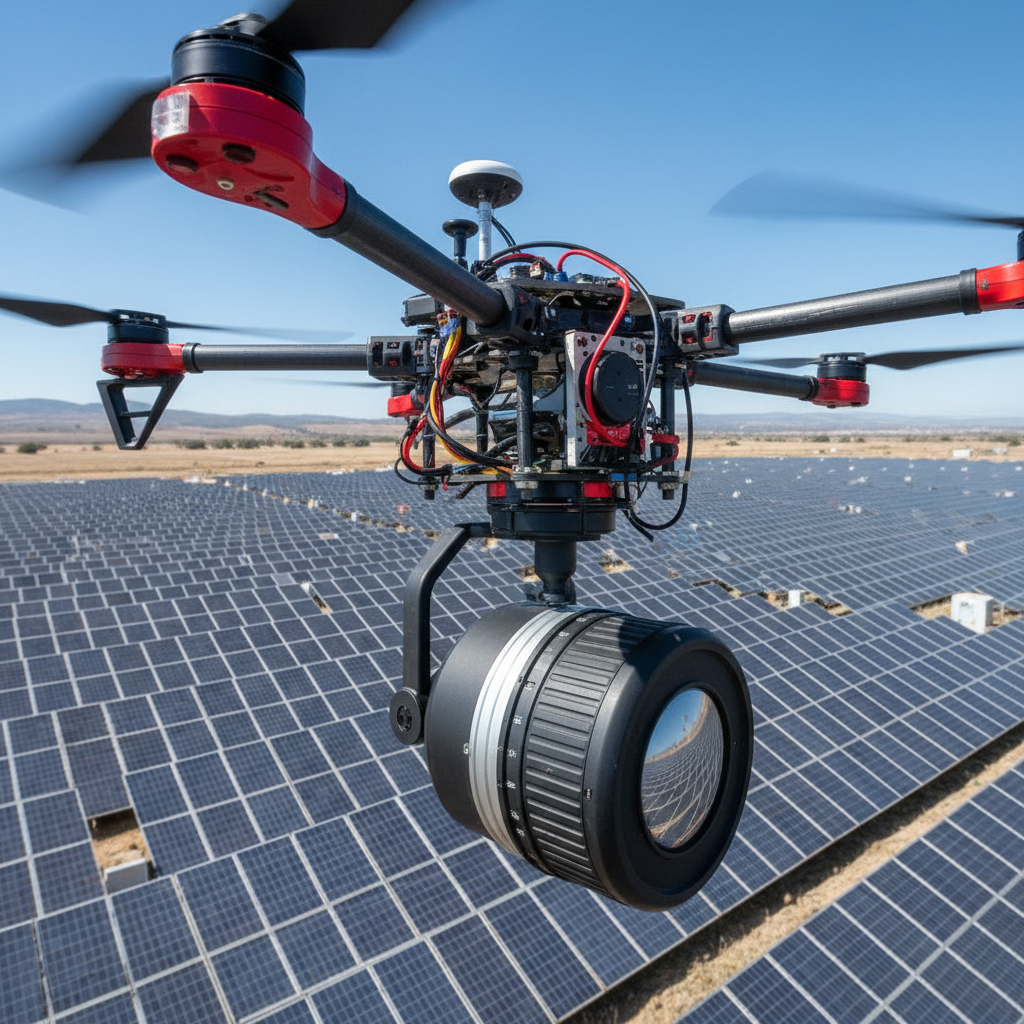
UAVs provide unparalleled flexibility in security operations. Their rapid deployment allows security forces to respond quickly to incidents, minimizing potential damage or escalation. In the UAE, where infrastructure development is rapid, the ability to adapt to changing environments is crucial.
Furthermore, drones can access hard-to-reach areas, such as mountainous regions or confined urban spaces, where traditional surveillance methods might be limited. This flexibility enhances the overall effectiveness of security operations, ensuring comprehensive coverage.
Cost-Effective Solutions
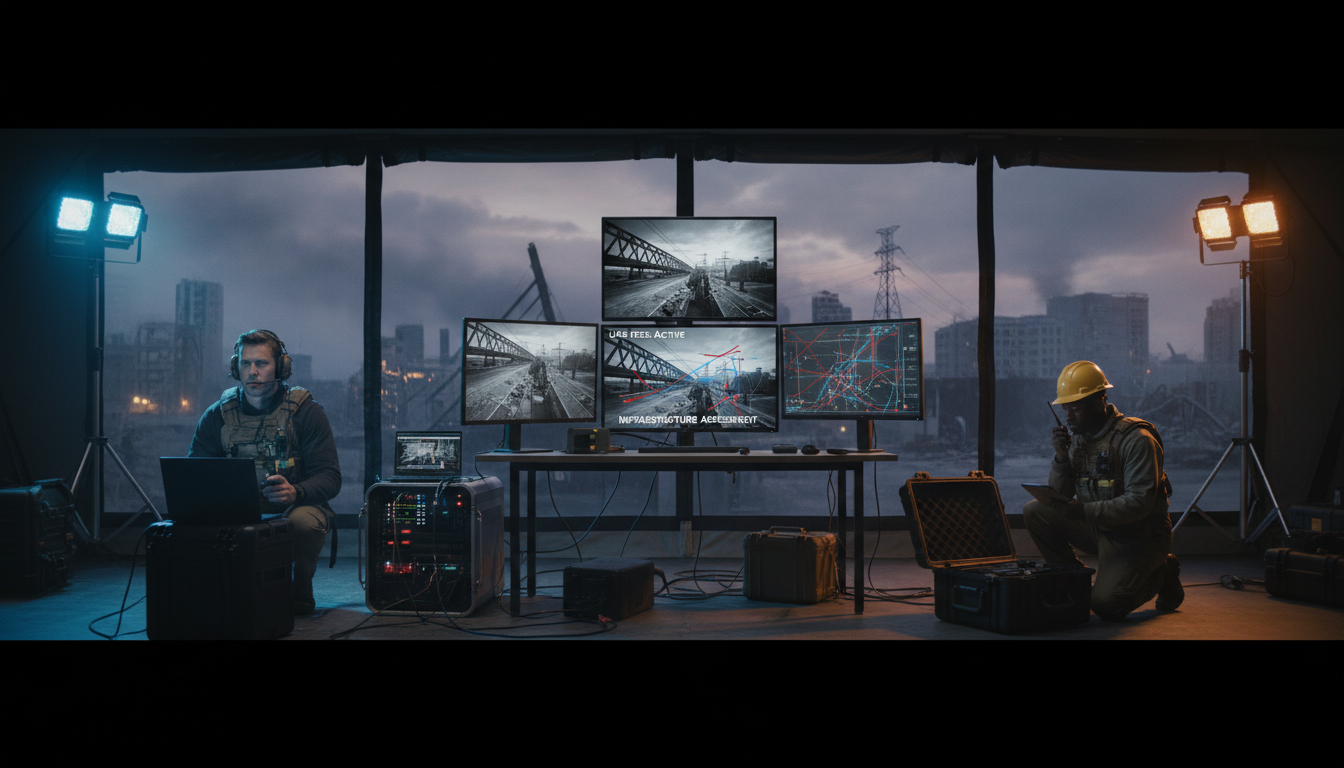
Implementing UAVs in security operations offers a cost-effective solution compared to traditional manned aircraft. Drones require less maintenance and operational costs, making them an attractive option for both government and private sectors in the UAE.
Additionally, the scalability of UAV operations allows for a tailored approach to security, enabling organizations to invest in the technology that best suits their specific needs without incurring excessive costs.
Data Collection and Analysis
Another critical role of UAVs is in data collection and analysis. The ability to gather vast amounts of data quickly and efficiently aids in informed decision-making. In the UAE, where data-driven strategies are a priority, drones provide valuable insights that enhance the effectiveness of security measures.
The integration of AI and machine learning with UAV technology further enhances data processing capabilities, allowing for predictive analysis and proactive security measures. This integration ensures that the UAE remains at the forefront of innovative security solutions.

Challenges and Considerations
Despite the numerous benefits, the use of UAVs in security operations also presents challenges. Issues such as privacy concerns, regulatory compliance, and potential misuse need to be addressed to ensure the responsible deployment of drone technology.
The UAE has implemented comprehensive regulations to oversee the use of UAVs, balancing innovation with security and privacy. Continuous collaboration between government bodies, private sectors, and technology providers is essential to overcome these challenges.
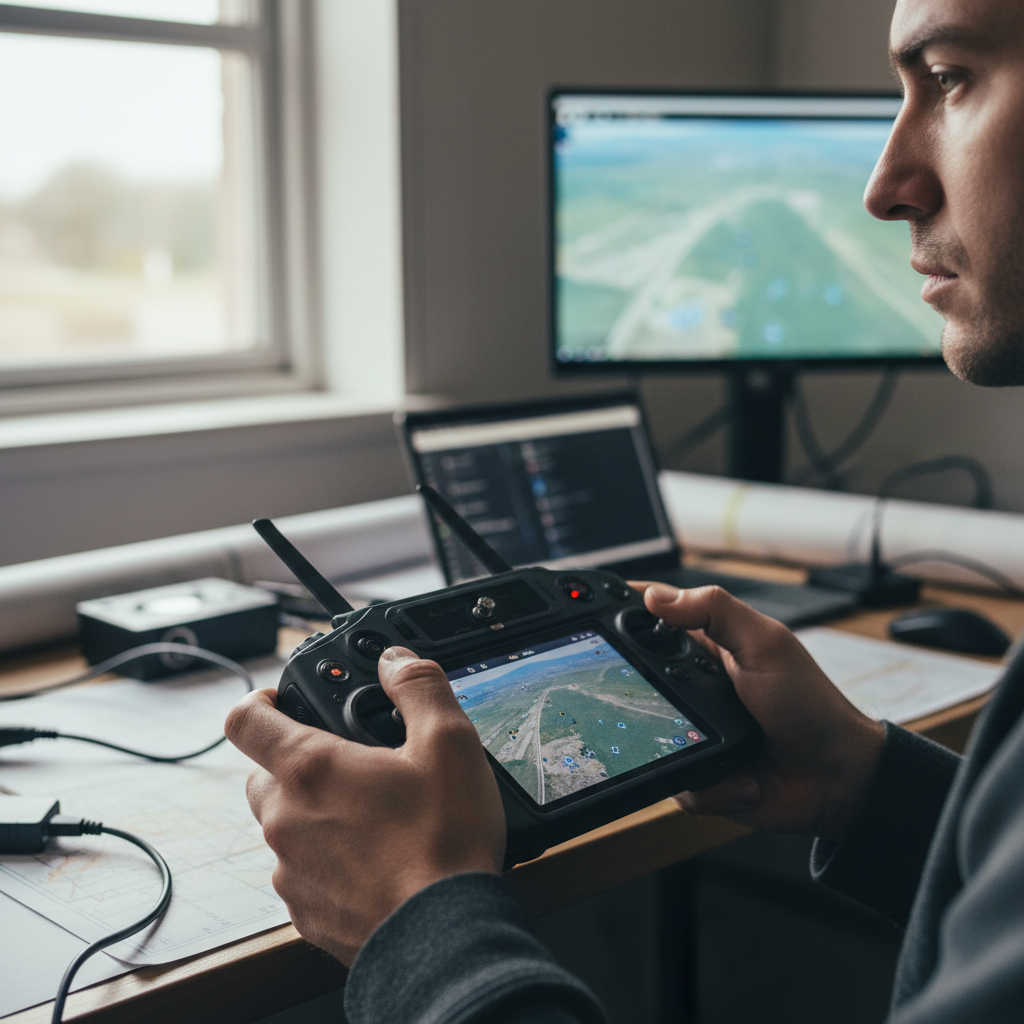
In conclusion, the role of UAVs in enhancing security operations in the UAE is undeniable. Their ability to provide enhanced surveillance, rapid response, cost-effective solutions, and data-driven insights positions them as indispensable tools in modern security strategies. As technology continues to evolve, the potential for UAVs to further revolutionize security operations remains immense.