
The Future of Remote Identification Technologies in the UAE


Introduction to Remote Identification Technologies
The United Arab Emirates (UAE) is rapidly advancing in the field of remote identification technologies. With the increasing demand for secure and efficient identification methods, the country is investing heavily in innovative solutions. These technologies are revolutionizing how businesses and government entities authenticate individuals and provide services.
Remote identification technologies encompass a range of methods, including biometric systems, digital identities, and blockchain solutions. As the world moves towards a more interconnected future, the UAE is positioning itself as a leader in this transformative field.
Biometric Systems
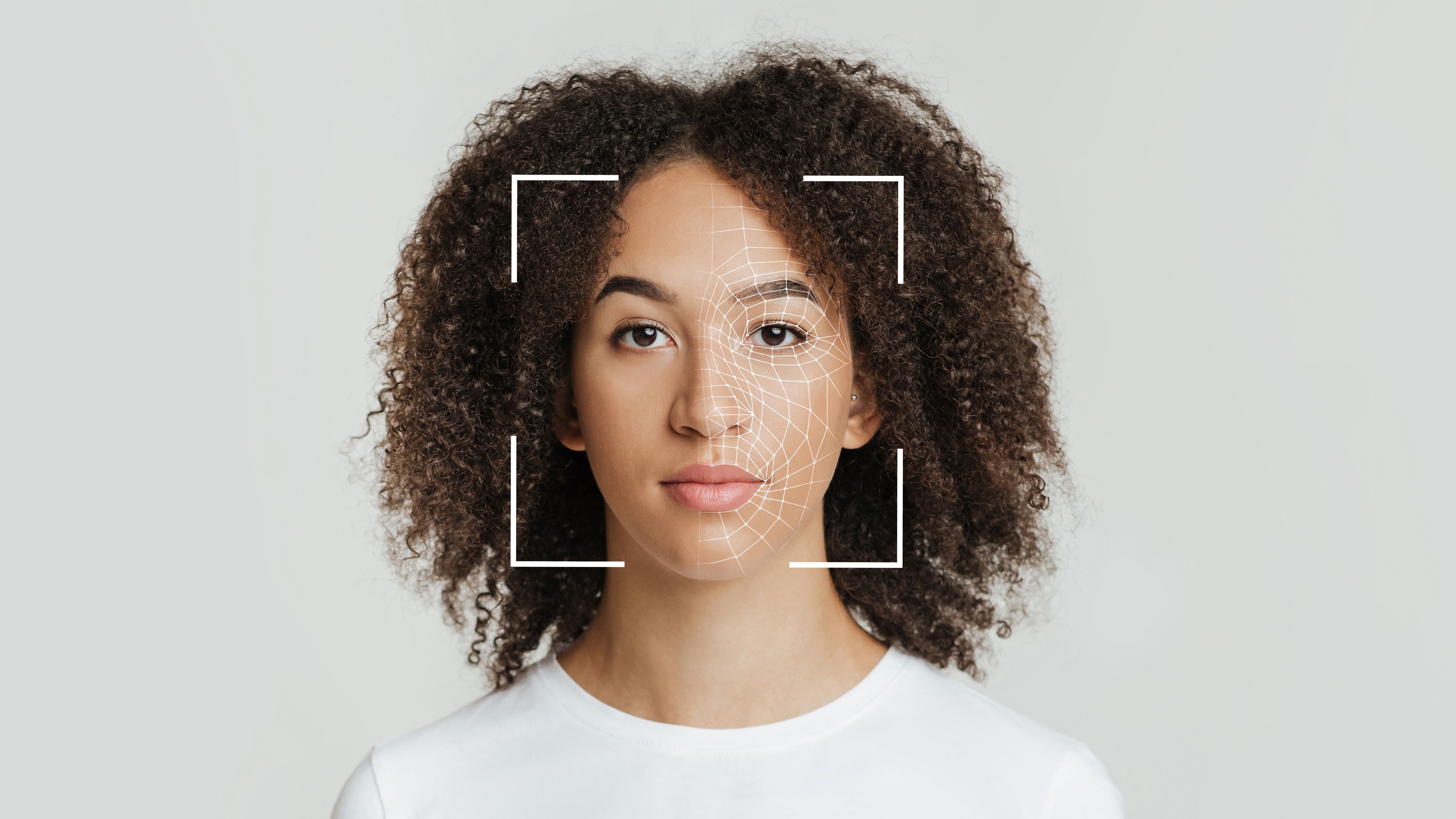
Biometric systems are at the forefront of remote identification technologies in the UAE. These systems use unique physical characteristics, such as fingerprints, facial recognition, and iris scans, to verify an individual's identity. The UAE has implemented biometric systems in various sectors, including airports and financial institutions, to enhance security and streamline processes.
The integration of biometric systems not only improves security but also enhances customer experience by reducing wait times and simplifying authentication processes. As technology advances, we can expect even more sophisticated biometric solutions in the future.
Digital Identities
Digital identities are another crucial component of remote identification technologies. In the UAE, digital identities are being developed to provide citizens and residents with a secure and convenient way to access services. These digital identities utilize encryption and blockchain technology to ensure the privacy and security of personal information.
With digital identities, individuals can securely access government services, banking, and healthcare, all from the comfort of their homes. This innovation is paving the way for a more connected and efficient society.

Blockchain Solutions
Blockchain technology is playing a significant role in the development of remote identification solutions in the UAE. By providing a decentralized and secure platform for storing and verifying identities, blockchain ensures that personal information is protected from unauthorized access and tampering.
The UAE government is actively exploring blockchain-based identification systems to enhance transparency and trust. These efforts are part of the country's broader strategy to become a global leader in blockchain technology.
Challenges and Opportunities
While the future of remote identification technologies in the UAE is promising, there are challenges to address. Data privacy, interoperability, and the need for regulatory frameworks are key concerns that must be managed to ensure successful implementation.
However, these challenges also present opportunities for innovation and growth. By addressing these issues, the UAE can set a benchmark for other countries and establish itself as a pioneer in remote identification technologies.

Conclusion
The future of remote identification technologies in the UAE is bright, with significant advancements on the horizon. As the country continues to invest in and develop these technologies, it is poised to lead the way in creating a secure, efficient, and interconnected society.
By embracing innovation and addressing challenges proactively, the UAE is setting a global standard for remote identification solutions, ultimately enhancing the quality of life for its citizens and residents.