
The Future of Drone Command and Control Systems


Understanding the Evolution of Drone Command and Control Systems
The future of drone command and control systems is a thrilling frontier, reshaping various industries from agriculture to logistics. As technology advances, these systems are becoming more sophisticated, offering new levels of autonomy and efficiency. Understanding the evolution of these systems helps us anticipate how they will transform our world.
Today's drone systems rely heavily on human operators for navigation and control. However, with the integration of artificial intelligence and machine learning, drones are beginning to perform complex tasks with minimal human intervention. This shift is expected to revolutionize sectors that depend on precision and accuracy.
Advancements in Autonomy
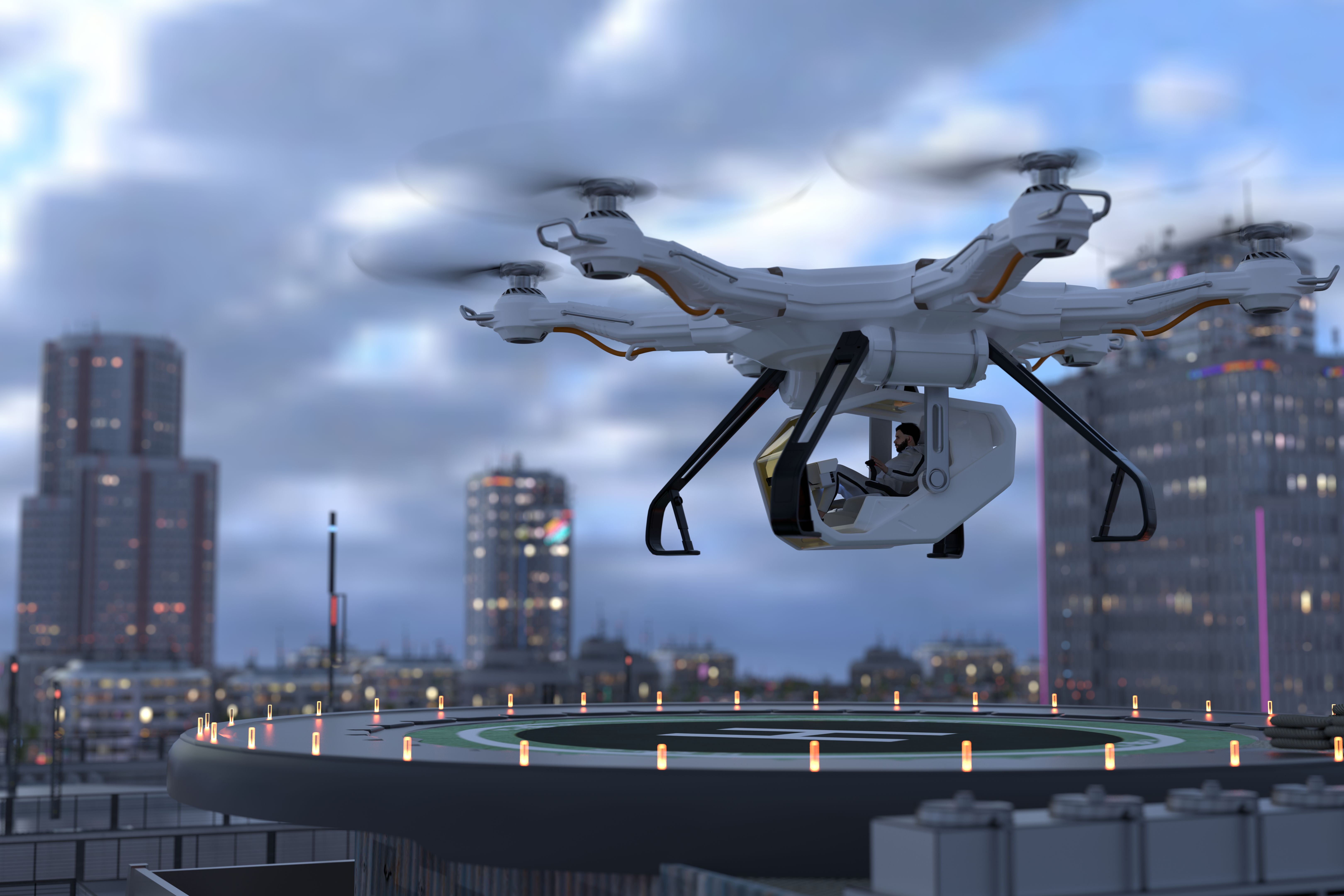
One of the most significant developments in drone command and control systems is the push towards greater autonomy. Autonomous drones can operate independently, making decisions in real time based on environmental data. This capability is crucial for applications such as search and rescue missions, where time is of the essence.
Moreover, autonomous drones can facilitate large-scale operations, such as surveying vast agricultural lands or inspecting infrastructure. By reducing the need for constant human oversight, these systems can significantly cut down on labor costs and improve operational efficiency.
Integration with the Internet of Things (IoT)
The integration of drones with the Internet of Things (IoT) is another promising development. IoT-enabled drones can collect and transmit data in real time, offering valuable insights across various industries. For instance, in agriculture, drones equipped with sensors can monitor crop health and optimize resource allocation.

This real-time data exchange allows for more informed decision-making and enhances the ability to respond quickly to changing conditions. The seamless interplay between drones and IoT devices is expected to unlock unprecedented levels of efficiency and productivity.
Challenges and Considerations
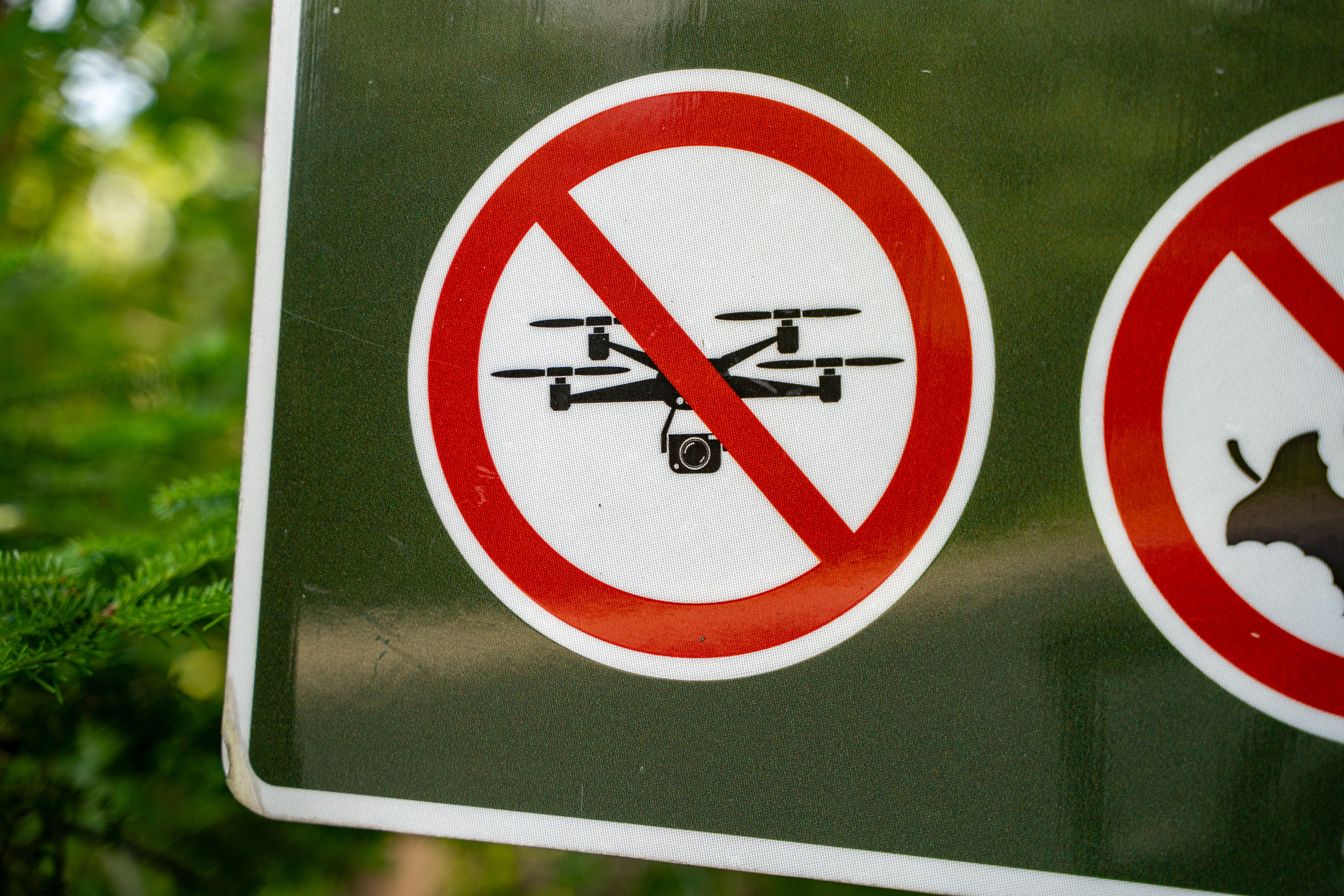
Despite the exciting advancements, there are several challenges that must be addressed. Regulatory hurdles remain a significant barrier to widespread drone deployment. Ensuring data security and privacy is also a critical concern, as drones collect sensitive information.
Additionally, the development of robust communication networks is essential to support the seamless operation of advanced command and control systems. Overcoming these challenges will require collaboration between policymakers, technologists, and industry leaders.
The Path Forward
As we look to the future, the possibilities for drone command and control systems are virtually limitless. Continued investment in research and development will drive innovation, resulting in more capable and versatile drones. These advancements promise to reshape industries and improve the quality of life globally.
The future of drone command and control systems is bright, offering exciting opportunities for technological growth and societal benefit. By embracing these innovations, we can create a more efficient, connected, and sustainable world.