
Sustainable UAV Technologies: Current Insights and Innovations


Understanding Sustainable UAV Technologies
Unmanned Aerial Vehicles (UAVs) have gained significant traction across various industries, from agriculture to logistics. As the demand for these technologies grows, so does the need for sustainable solutions. Sustainable UAV technologies are essential for minimizing environmental impact while maximizing efficiency and innovation.
In recent years, the focus has shifted towards developing UAVs that are not only effective but also environmentally friendly. This involves using renewable energy sources, eco-friendly materials, and innovative design strategies that reduce the carbon footprint of these vehicles.

Renewable Energy Sources for UAVs
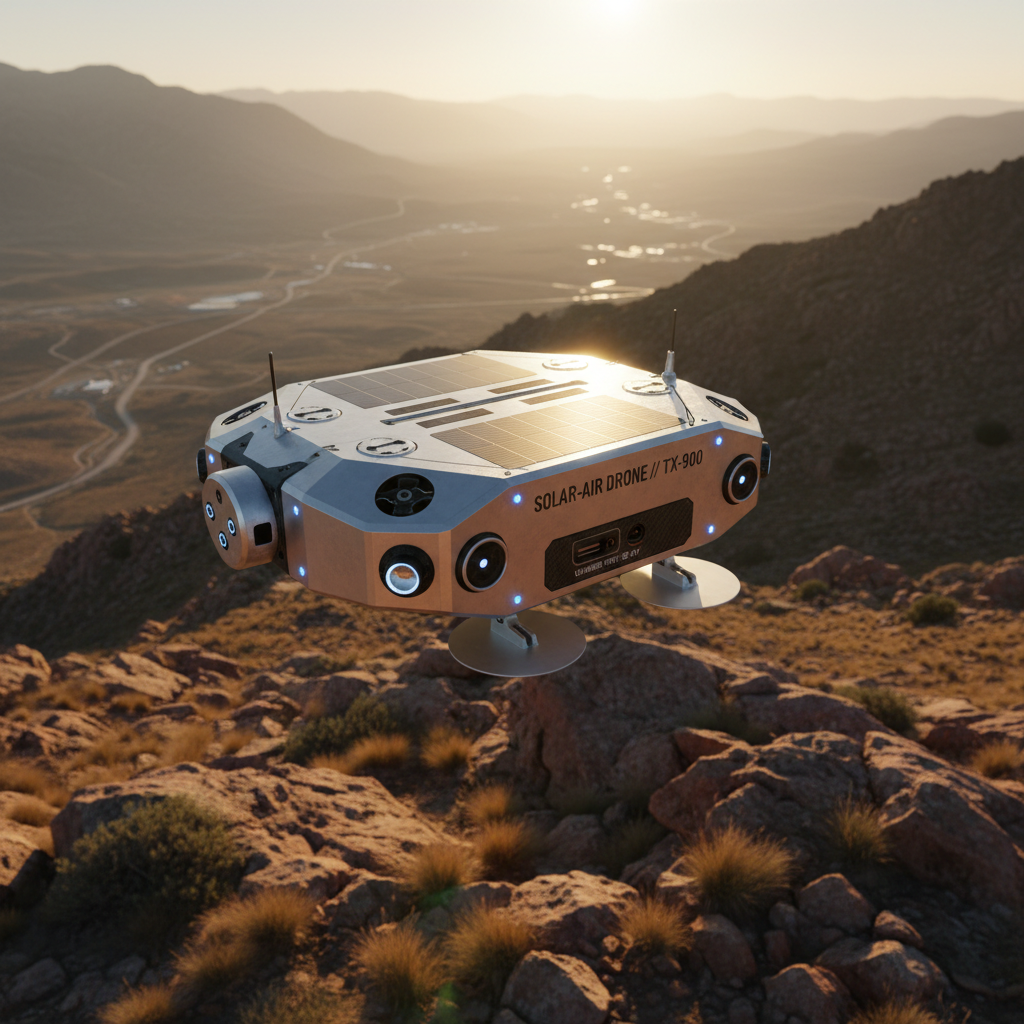
One of the most promising advancements in sustainable UAV technology is the integration of renewable energy sources. Solar-powered drones, for example, harness energy from the sun, providing a clean and sustainable power source. This not only extends flight times but also reduces reliance on traditional energy sources.
Wind energy is another area of exploration. By utilizing lightweight materials and aerodynamic designs, UAVs can potentially harness wind currents to assist in propulsion, further reducing energy consumption.
Battery Innovations
The development of more efficient batteries is crucial for the sustainability of UAVs. Recent innovations in battery technology focus on increasing energy density while decreasing weight. This results in longer flight durations and improved performance without compromising environmental standards.
Eco-friendly Materials and Design
The materials used in UAV construction play a significant role in sustainability. Biodegradable composites and recycled materials are increasingly being used to build UAV components, reducing the environmental impact of manufacturing and disposal.
Moreover, innovative design approaches, such as modular structures, allow for easier repairs and upgrades, extending the lifespan of UAVs and reducing waste.
Modular Design Benefits
Modular designs offer several advantages. They enable quick part replacement, reducing the need to discard entire units when only specific components are damaged. This not only saves resources but also ensures that UAVs can be kept operational with minimal environmental impact.

Applications of Sustainable UAV Technologies
Sustainable UAV technologies are being applied in numerous fields. In agriculture, they are used for precision farming, allowing farmers to monitor crops with minimal environmental disturbance. This leads to more efficient water use and reduced pesticide application.
In the logistics sector, sustainable UAVs are revolutionizing delivery systems. By reducing the need for traditional vehicles, they help decrease emissions and traffic congestion, contributing to a cleaner environment.
Future Prospects
As technology continues to evolve, the future of sustainable UAVs looks promising. Continued research and development will likely lead to even more innovative solutions, further reducing the environmental impact of UAV operations.
By embracing sustainable practices, the UAV industry can contribute significantly to global efforts in combating climate change, ensuring that technological progress does not come at the expense of the planet.