
Sustainable UAV Technologies: Current Insights and Future Prospects


Introduction to Sustainable UAV Technologies
Unmanned Aerial Vehicles (UAVs), commonly known as drones, have revolutionized various industries, from agriculture to emergency services. As the demand for UAVs grows, there is a pressing need to focus on sustainability. This involves creating drones that are not only efficient but also environmentally friendly.
Current innovations in this field are promising, with several technologies being developed to minimize the environmental impact of UAVs. In this blog post, we will explore these innovations and discuss the prospects for sustainable UAV technologies.
Energy-Efficient Propulsion Systems
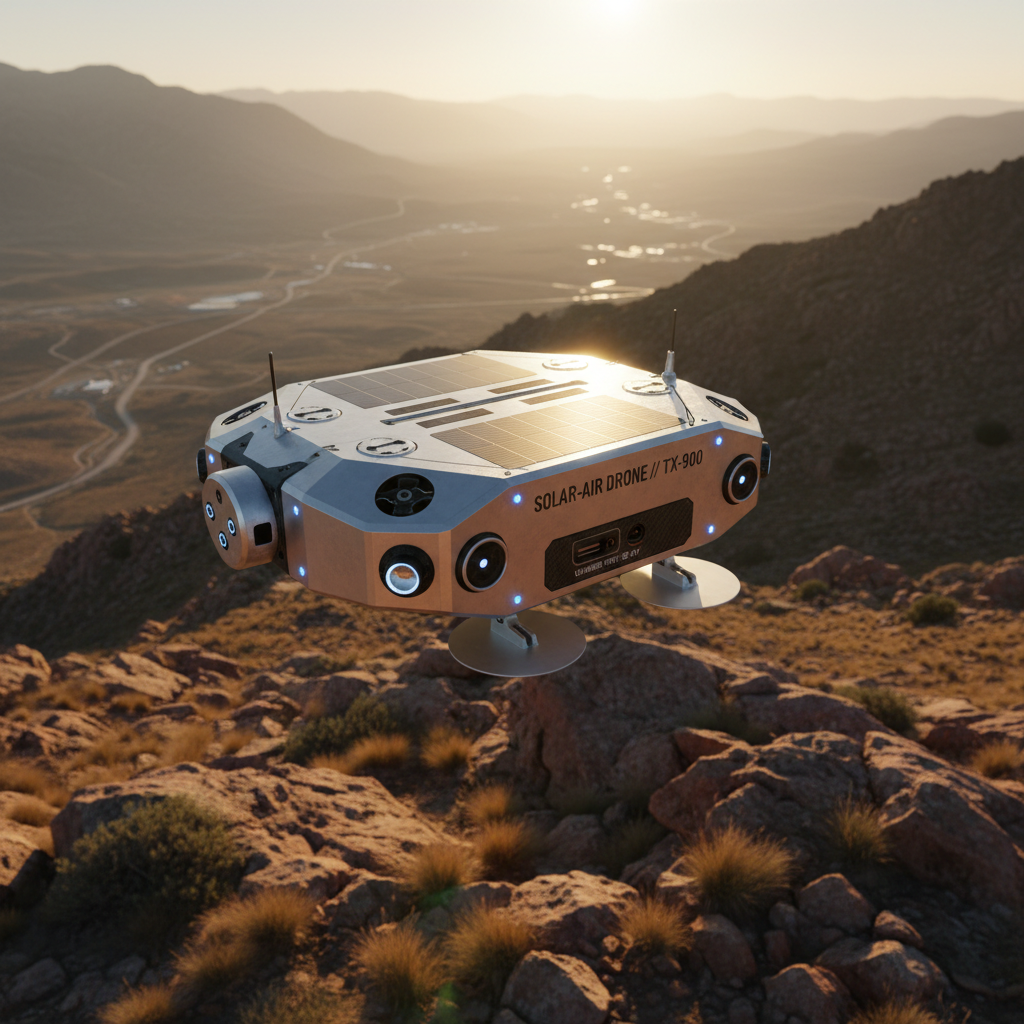
One of the primary concerns with UAVs is their energy consumption. Traditional drones rely heavily on lithium batteries, which pose environmental risks due to their production and disposal processes. However, recent advancements in propulsion systems are paving the way for more energy-efficient alternatives.
For example, solar-powered UAVs are becoming increasingly popular. These drones use solar panels to harness energy from the sun, reducing their reliance on non-renewable energy sources. Additionally, hydrogen fuel cells are being explored as a cleaner alternative to conventional batteries, offering longer flight times and reduced emissions.
Biodegradable Materials in UAV Design
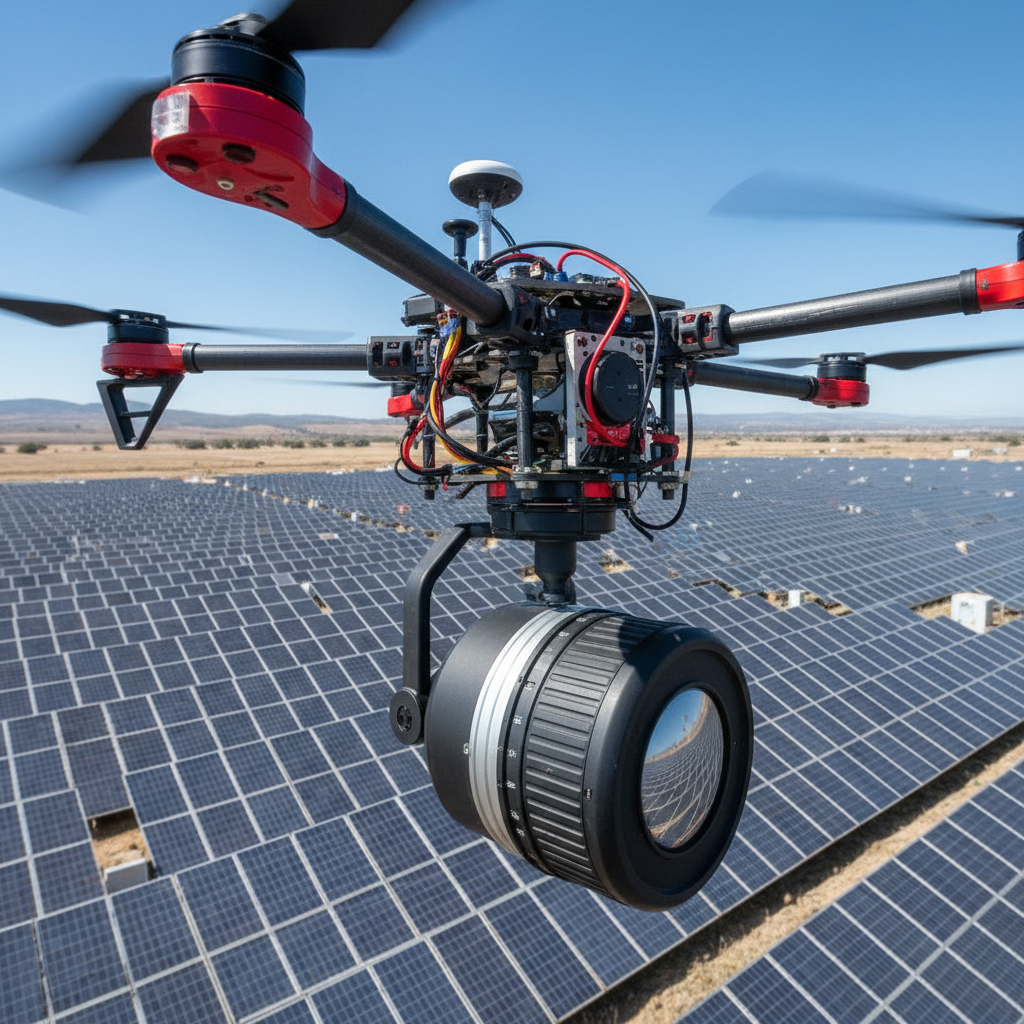
Another significant development in sustainable UAV technology is the use of biodegradable materials. Traditional drones are often made from plastics and metals that can take centuries to decompose. To address this issue, researchers are exploring materials like biodegradable polymers and natural fibers.
These materials not only reduce the environmental footprint of UAVs but also offer advantages in terms of weight and durability. The use of sustainable materials in drone manufacturing is a step forward in creating eco-friendly aerial solutions.
Recycling and Reusability
Recycling and reusability play a crucial role in the sustainability of UAVs. Companies are now focusing on designing drones that can be easily disassembled and recycled. This ensures that valuable components and materials can be reused, minimizing waste.
- Designing drones with modular components for easy replacement and recycling.
- Implementing take-back programs to recycle old or damaged drones.

Future Prospects and Challenges
The future of sustainable UAV technologies looks promising, yet there are challenges to overcome. The development of greener energy sources and materials requires significant investment and research. Moreover, regulatory frameworks need to be established to promote the adoption of sustainable practices in the UAV industry.
Collaboration between governments, industries, and research institutions will be essential to drive innovation and ensure that UAVs contribute to a sustainable future. As technologies evolve, the potential for eco-friendly drones will continue to expand, offering new opportunities for various sectors.
Conclusion
In conclusion, sustainable UAV technologies are at the forefront of innovation, offering solutions to reduce the environmental impact of drones. By focusing on energy efficiency, biodegradable materials, and recycling, the UAV industry is moving towards a more sustainable future. The journey is ongoing, but the insights and developments discussed here highlight the exciting possibilities that lie ahead.