
Seasonal UAV Deployment: Preparing for Changing Environmental Conditions in the UAE


As the seasons change, so do the environmental conditions in the UAE. This transition presents unique challenges and opportunities for UAV (Unmanned Aerial Vehicle) deployment. From temperature variations to shifting wind patterns, understanding how to adapt UAV operations is crucial for optimizing performance and ensuring safety.
Understanding Seasonal Environmental Changes
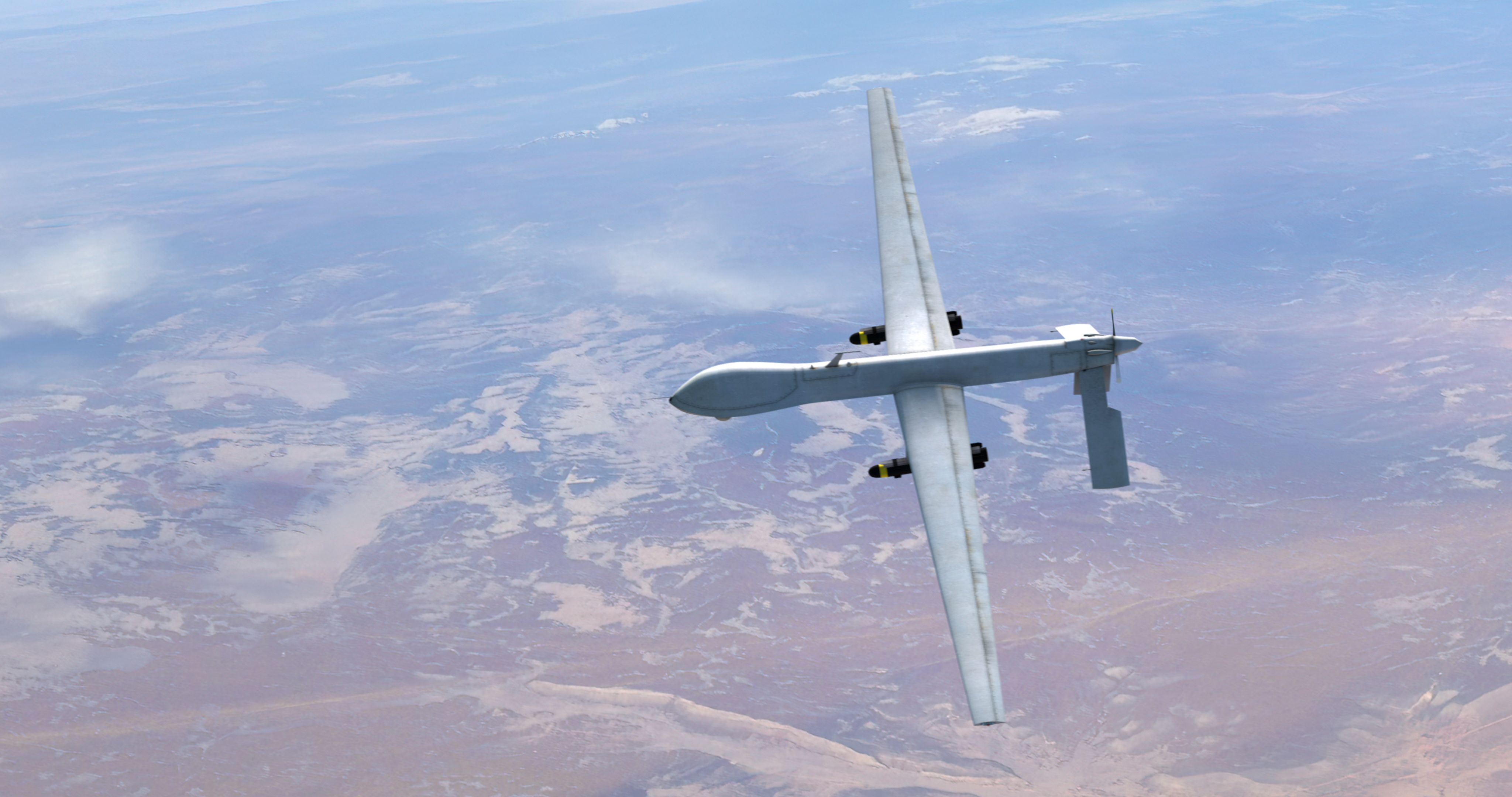
The UAE experiences distinct seasonal shifts, primarily characterized by changes in temperature and humidity. The summer months can be extremely hot, with temperatures soaring above 40°C. Meanwhile, winter offers milder conditions, but may bring occasional rain and increased humidity.
These environmental factors can significantly affect UAV performance. For instance, high temperatures can impact battery life and sensor accuracy. Additionally, sandstorms, common during certain times of the year, pose visibility challenges and can damage UAV components.
Impact on UAV Operations
Adapting to these conditions requires careful planning and strategy. Operators must consider:
- Battery Management: High temperatures reduce battery efficiency. Operators need to monitor battery health closely and plan for shorter flight times.
- Sensor Calibration: Extreme temperatures can affect sensor accuracy. Regular calibration is essential to maintain data quality.
- Wind Patterns: Understanding seasonal wind patterns helps in planning flight paths and ensuring stability during operations.

Preparing for Seasonal Deployment
Preparation is key to successful UAV deployment in the face of changing environmental conditions. This involves several critical steps:
- Pre-Deployment Checks: Conduct thorough equipment inspections to ensure all components are functioning correctly.
- Weather Monitoring: Utilize weather forecasting tools to anticipate conditions that may affect UAV performance.
- Training and Simulation: Train operators to handle seasonal challenges through simulations and practical exercises.
By focusing on these areas, UAV operators can enhance the safety and efficiency of their missions, regardless of the season.
Leveraging Technology for Adaptation
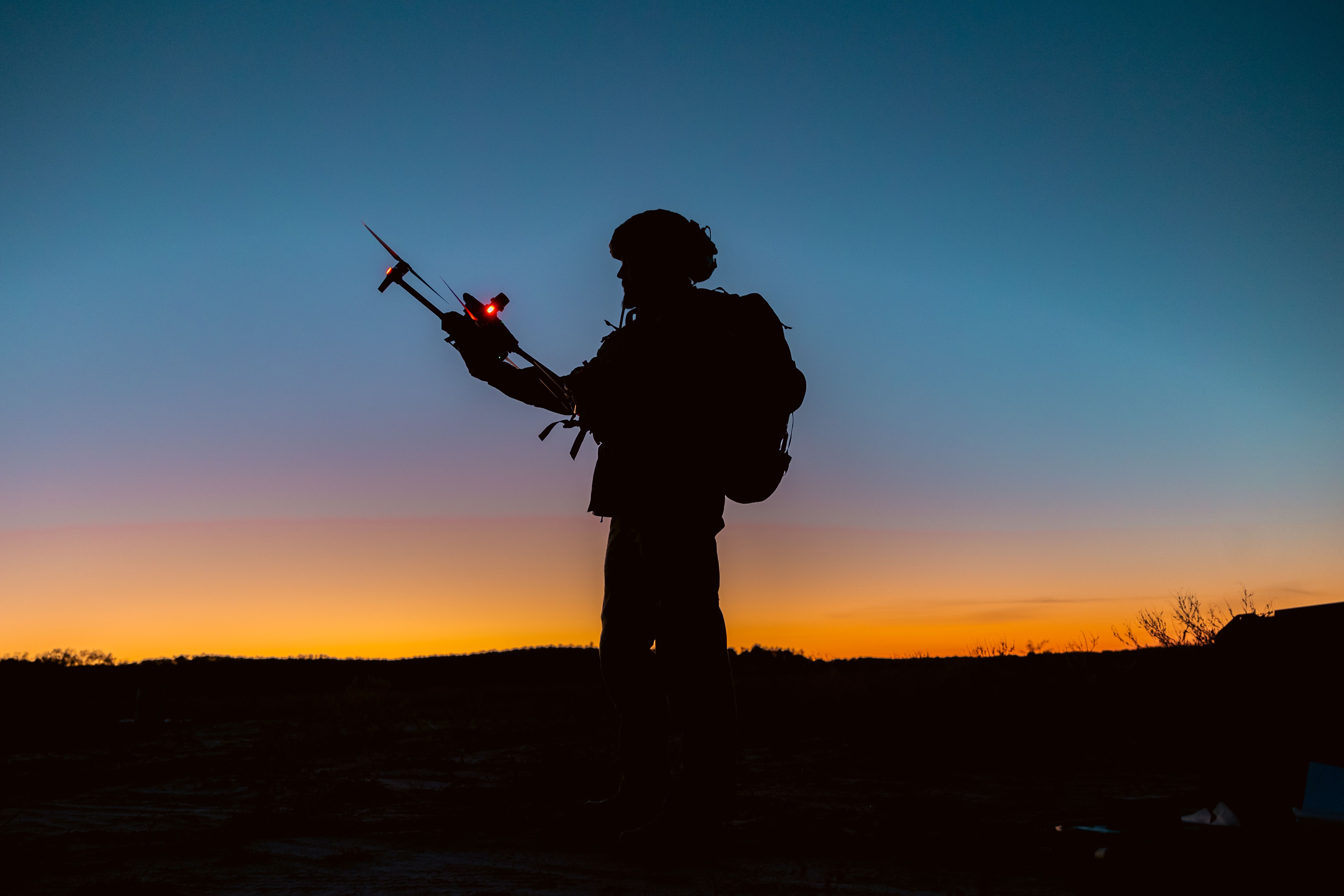
Technological advancements play a crucial role in adapting UAV operations to seasonal changes. Innovations in battery technology, for instance, are helping to mitigate the effects of extreme temperatures. Additionally, enhanced AI and machine learning algorithms assist in predicting weather patterns and optimizing flight paths.
Conclusion
In the dynamic environment of the UAE, seasonal UAV deployment requires a strategic approach to manage changing conditions effectively. By understanding the impact of environmental factors and implementing robust preparation strategies, UAV operators can ensure successful and safe operations throughout the year.
As technology continues to evolve, the potential for even more adaptive and resilient UAV systems grows, making the future of UAV deployment in the UAE both exciting and promising.