
Seasonal FPV Drone Maintenance Tips for Optimal Performance


Introduction to Seasonal FPV Drone Maintenance
Flying FPV (First-Person View) drones is an exhilarating experience, but to ensure optimal performance, regular maintenance is crucial. Each season presents unique challenges for drone enthusiasts, from fluctuating temperatures to varying humidity levels. By following a seasonal maintenance routine, you can prolong the lifespan of your drone and enjoy seamless flights year-round.
Spring: Preparing for Perfect Flights
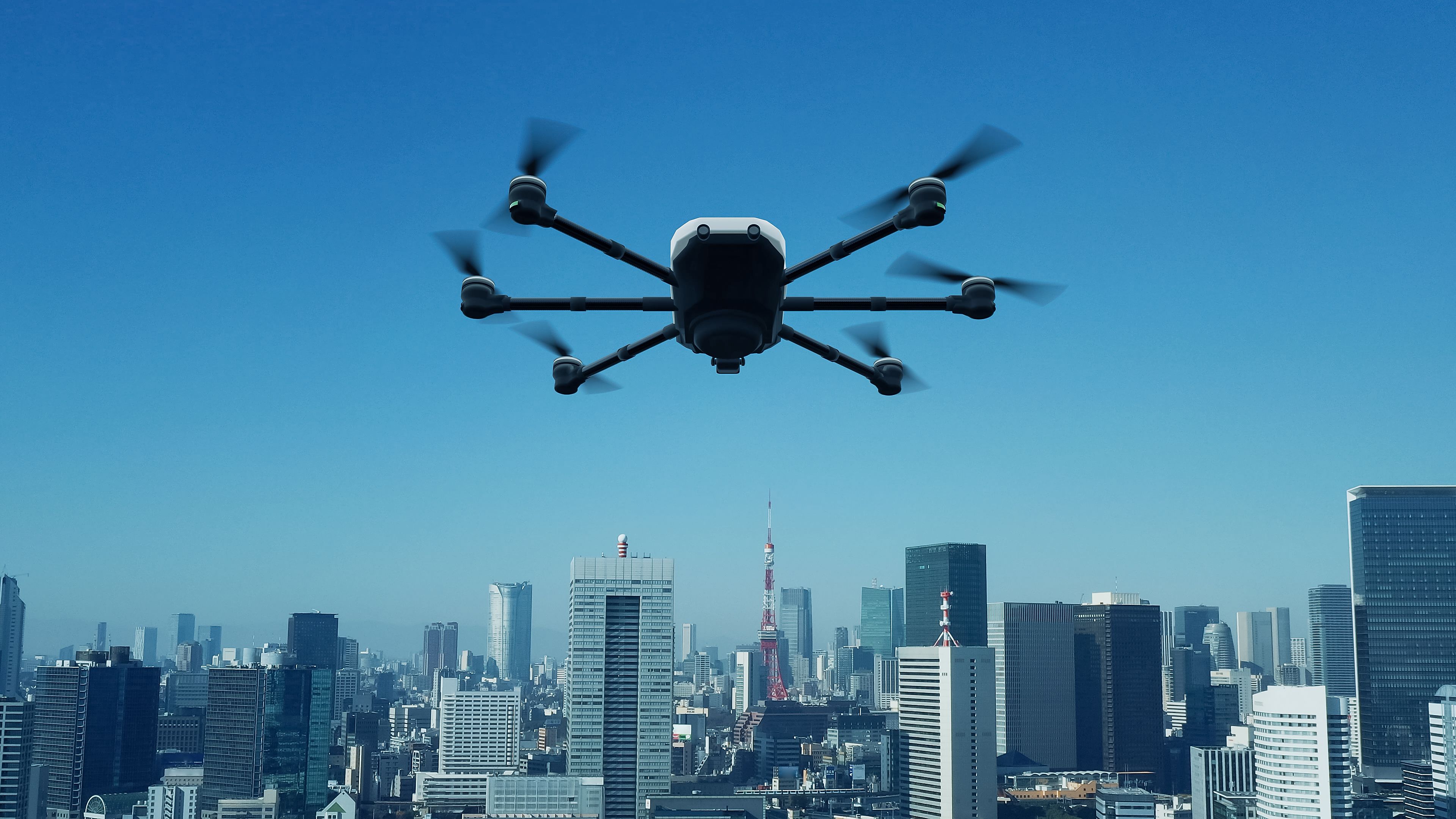
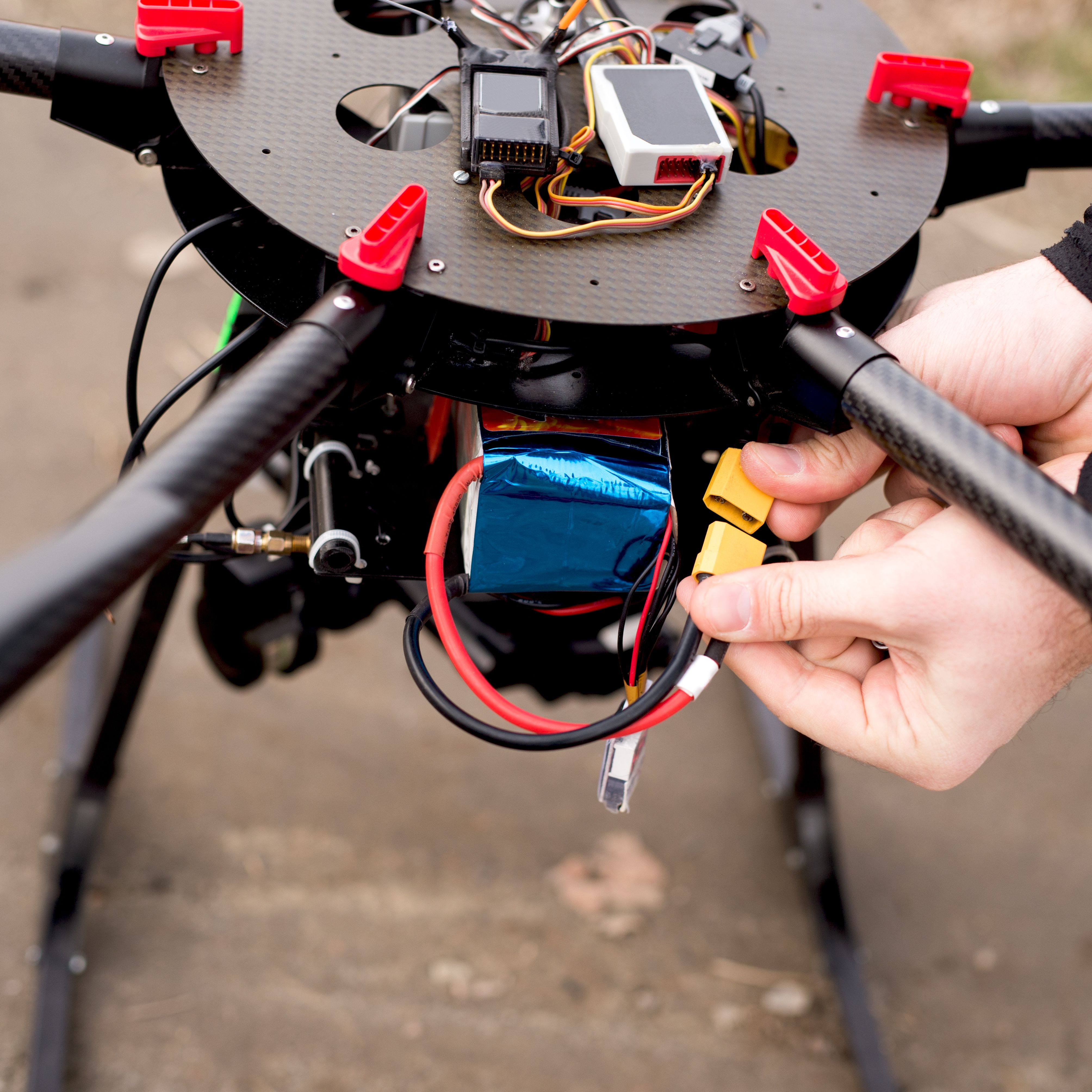
As temperatures start to rise, it's time to transition your drone out of winter storage. Begin by inspecting the battery for any signs of wear or damage. Ensure all connections are secure and clean. It's also wise to calibrate your drone's compass and check the firmware for updates. This will help prevent issues related to GPS connectivity during flights.
Spring is also an excellent time to clean your drone thoroughly. Remove any dust or debris from the motors and propellers. A gentle brush or compressed air can work wonders. Pay special attention to the camera lens, ensuring it's free from smudges or dirt.
Battery Care in Spring
The warmer weather can affect battery performance. Store your batteries in a cool, dry place when not in use. If you haven't already, consider investing in a battery checker to monitor voltage levels and avoid over-discharging.
Summer: Keeping Cool and Collected
Summer brings higher temperatures, which can impact your drone's performance. Avoid flying during the hottest parts of the day to prevent overheating. It's a good idea to take frequent breaks during flights to allow the drone to cool down, especially if you're flying in direct sunlight.
Check the props for any signs of warping or cracking, as heat can exacerbate these issues. Furthermore, ensure your drone's firmware is up to date to take advantage of any performance improvements or bug fixes that manufacturers release.
Dealing with Dust and Sand
Summer adventures often lead to dusty or sandy environments. Use a soft brush or compressed air to keep these particles from affecting your drone's moving parts. A protective case can also help minimize exposure during transport.
Fall: Prepping for Colder Weather
As temperatures begin to drop, it’s essential to adjust your maintenance routine. Check the drone's body for cracks or signs of stress, as cold weather can make materials more brittle. Ensure the motors are lubricated and functioning smoothly.
Fall is also a great time to review your drone's software. Manufacturers often release updates that improve performance or add new features. Keeping your software current will ensure you're getting the best flying experience possible.
Battery Management in Fall
Cold temperatures can affect battery efficiency. Keep your batteries warm before flights and avoid exposing them to the cold for extended periods. When storing them, maintain a charge level of around 50% to prolong their lifespan.

Winter: Navigating Extreme Conditions
Winter presents some of the toughest challenges for FPV drone pilots. Cold weather can reduce battery life, so plan for shorter flights and keep spare batteries warm by storing them in an insulated bag. Monitor battery levels closely and avoid flying in wet or icy conditions.
It's also important to check the drone's sensors and cameras for fogging or condensation. Allow your drone to acclimate to room temperature after a cold flight to prevent moisture buildup.
Protective Measures for Winter
Consider using propeller guards to protect against accidental impacts in snowy or icy terrains. Regularly inspect your drone for any signs of corrosion, especially if you've been flying in areas treated with road salt.
By following these seasonal maintenance tips, you can ensure your FPV drone remains in top condition, providing you with many hours of enjoyable flying throughout the year.