
Remote ID Technologies: Ensuring Compliance and Safety in the UAE


In recent years, the use of drones has surged across various sectors, from aerial photography to delivery services. With this increase, ensuring compliance and safety has become a top priority, particularly in regions like the UAE. Remote ID technologies have emerged as a crucial tool in managing these concerns, offering a way to monitor and regulate drone operations effectively.
Remote ID technology acts like a digital license plate for drones, allowing authorities and other stakeholders to identify and track drones in real-time. This technology is essential in the UAE, where the airspace is shared among a myriad of users, from commercial airlines to military operations. By providing real-time data, Remote ID helps maintain safe and efficient airspace management.
The Importance of Remote ID Compliance
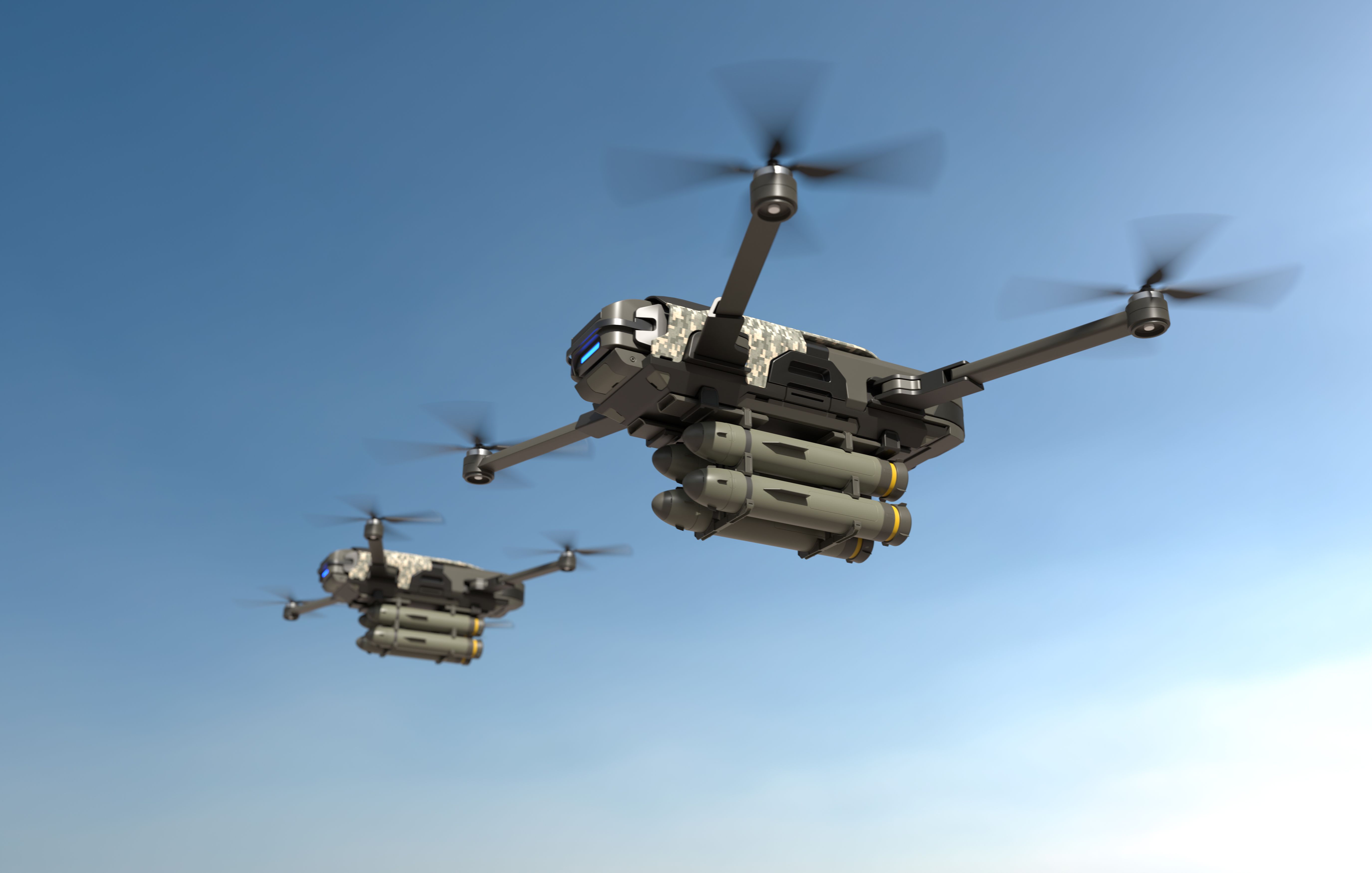
Incorporating Remote ID technology is not just a regulatory requirement but also a safety measure. Compliance ensures that drones operate within designated areas and adhere to the operational limits set by authorities. This is particularly important in urban areas where the risk of collisions and privacy intrusions is higher.
For businesses operating in the UAE, adhering to Remote ID regulations is critical. Non-compliance can lead to severe penalties, including fines and restrictions on drone operations. Therefore, understanding and implementing these technologies is not just about following rules but ensuring the longevity and safety of operations.
Key Benefits of Remote ID
Remote ID offers several advantages beyond compliance. Here are some key benefits:
- Enhanced Safety: By providing real-time location and identification data, Remote ID reduces the risk of collisions and other accidents.
- Increased Accountability: Operators can be easily identified, promoting responsible drone usage.
- Improved Airspace Management: Authorities can better manage airspace by tracking drone movements and ensuring they adhere to regulations.
Challenges in Implementing Remote ID
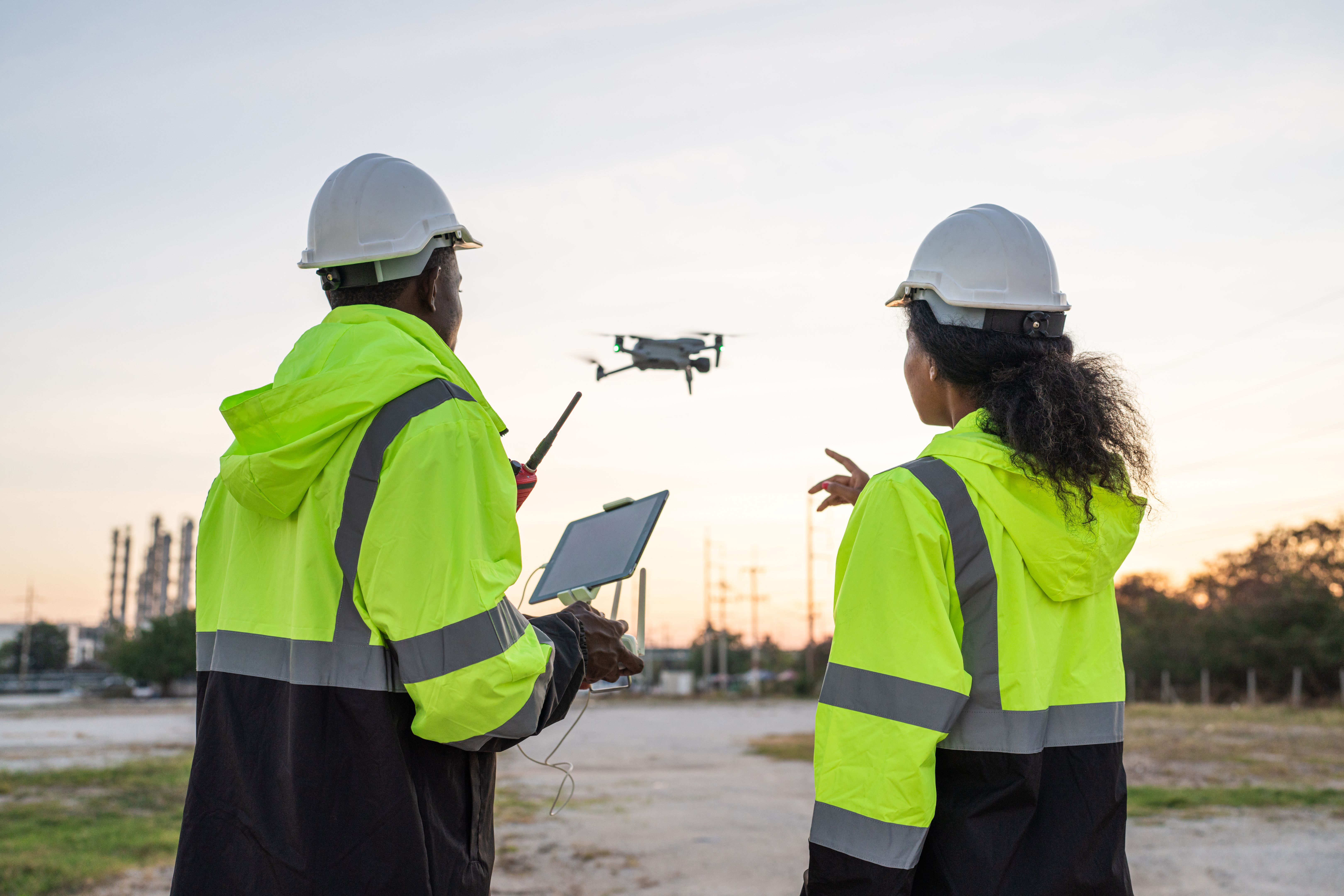
While the benefits are clear, implementing Remote ID technologies comes with challenges. One major hurdle is the integration of these systems into existing infrastructure. Many businesses may find it daunting to update their fleets with the latest technology, incurring additional costs and requiring technical expertise.
Moreover, ensuring the privacy and security of the data collected is another concern. Stakeholders must work together to establish protocols that protect sensitive information while maintaining transparency and accountability.
The Role of Government and Industry
Government and industry collaboration is critical to the successful deployment of Remote ID technologies. Authorities in the UAE are working closely with stakeholders to develop guidelines and standards that ensure the effective implementation of these systems. This collaborative effort is vital for fostering innovation and addressing the challenges that arise.
In conclusion, Remote ID technologies are an essential component of modern drone operations in the UAE. By ensuring compliance and enhancing safety, these technologies pave the way for responsible and efficient drone usage. As the industry continues to grow, embracing Remote ID will be crucial for all stakeholders involved.