
Preparing for Seasonal Surveillance: Best Practices for UAV Usage


Introduction to Seasonal Surveillance with UAVs
As technology continues to evolve, Unmanned Aerial Vehicles (UAVs) have become an invaluable tool for various industries. From agriculture to security, these devices offer unique advantages in monitoring and data collection. Preparing for seasonal surveillance can maximize the benefits of UAV usage, ensuring that operations run smoothly and efficiently.
Seasonal surveillance often requires adjustments and special considerations, as different times of the year present unique challenges and opportunities. By understanding best practices, users can optimize their UAV operations to capture the most accurate and useful data.
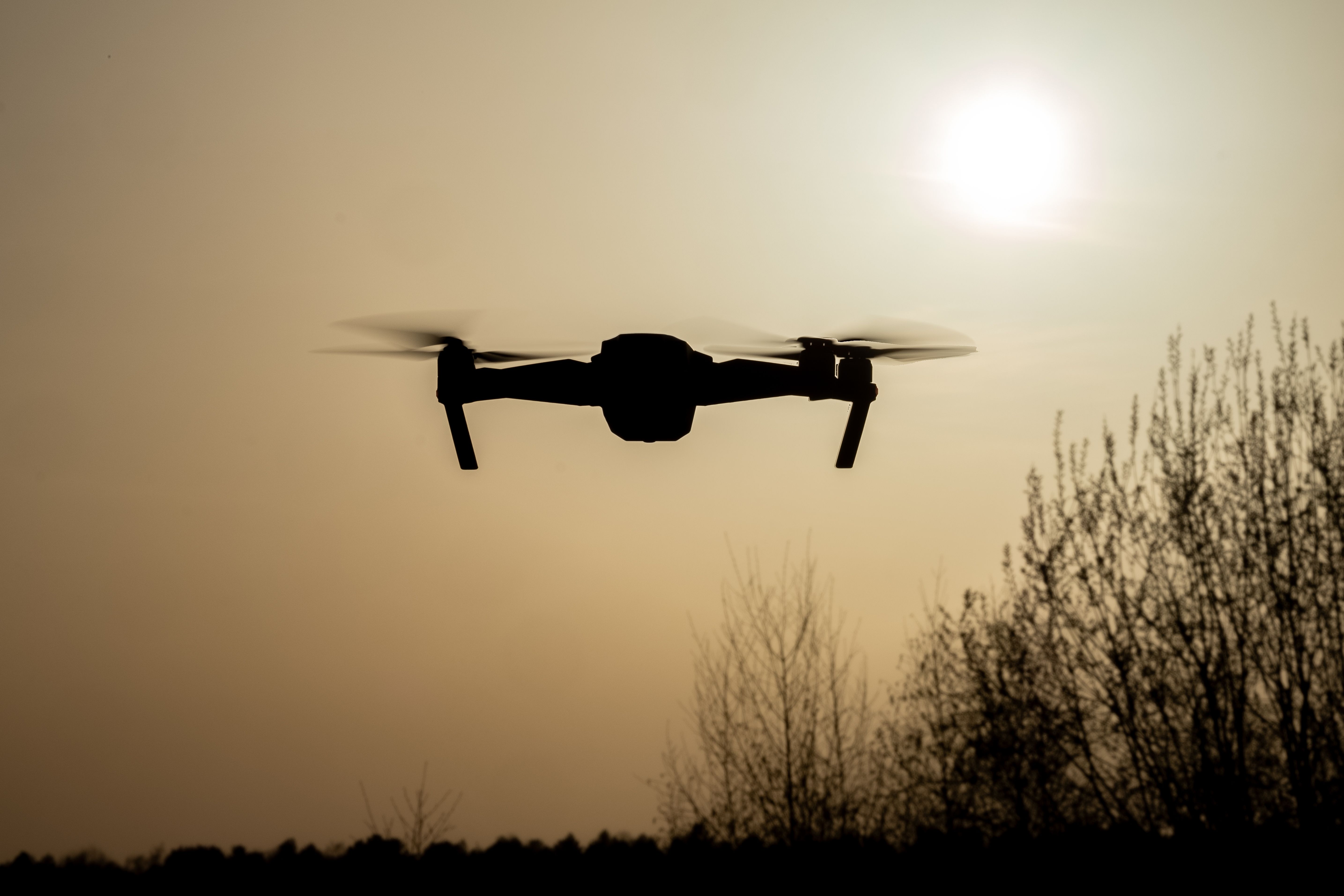
Understanding the Importance of Pre-Season Checks
Before embarking on any seasonal surveillance mission, conducting a thorough pre-season check of your UAV equipment is essential. This ensures that everything is functioning correctly and minimizes the risk of unexpected issues during operations.
Start by inspecting the physical condition of your UAV, paying close attention to the rotor blades, camera systems, and battery life. Verify that all software is up to date, as manufacturers frequently release updates to improve performance and security. Performing these checks can prevent costly downtime and ensure your UAV is ready for the tasks at hand.
Creating a Flight Plan
Having a detailed flight plan is crucial for effective seasonal surveillance. This plan should include specific areas to be monitored, the timing of flights, and any potential obstacles or challenges. Consider the seasonal variations that may affect your UAV's performance, such as weather conditions and daylight hours.

Utilize mapping software to design efficient flight paths that maximize coverage while minimizing flight time. This not only conserves battery life but also enhances the accuracy of the data collected. A well-thought-out flight plan can significantly boost the overall efficiency and effectiveness of your surveillance operations.
Adapting to Seasonal Challenges
Different seasons present unique challenges that must be addressed to maintain optimal UAV performance. For instance, winter months may require additional precautions to handle cold temperatures, while summer might bring increased interference from heat and humidity.
Ensure that your UAV is equipped with the necessary features to handle these environmental factors. This might include specialized sensors or protective gear to shield the UAV from harsh weather conditions. Understanding and adapting to these challenges is key to successful seasonal surveillance.

Leveraging Data for Decision Making
One of the most significant advantages of using UAVs for seasonal surveillance is the wealth of data they provide. By analyzing this data, organizations can make informed decisions that enhance productivity and efficiency.
Implement systems to collect and process the data gathered by UAVs. Using analytics tools can help identify patterns and trends, providing valuable insights that guide strategic planning and operational adjustments. The ability to leverage this data sets successful UAV operations apart from the rest.
Ensuring Compliance and Safety
Safety and regulatory compliance are paramount when using UAVs for seasonal surveillance. Familiarize yourself with local regulations and ensure that all operations adhere to these legal requirements. This includes obtaining necessary permits and respecting privacy laws.
Additionally, prioritize safety by conducting regular training for operators and establishing protocols for emergency situations. A strong focus on compliance and safety not only protects your operations but also contributes to the responsible and sustainable growth of UAV technology.