
Mastering FPV Engineering: Tips and Techniques for Optimal Performance


Understanding FPV Engineering
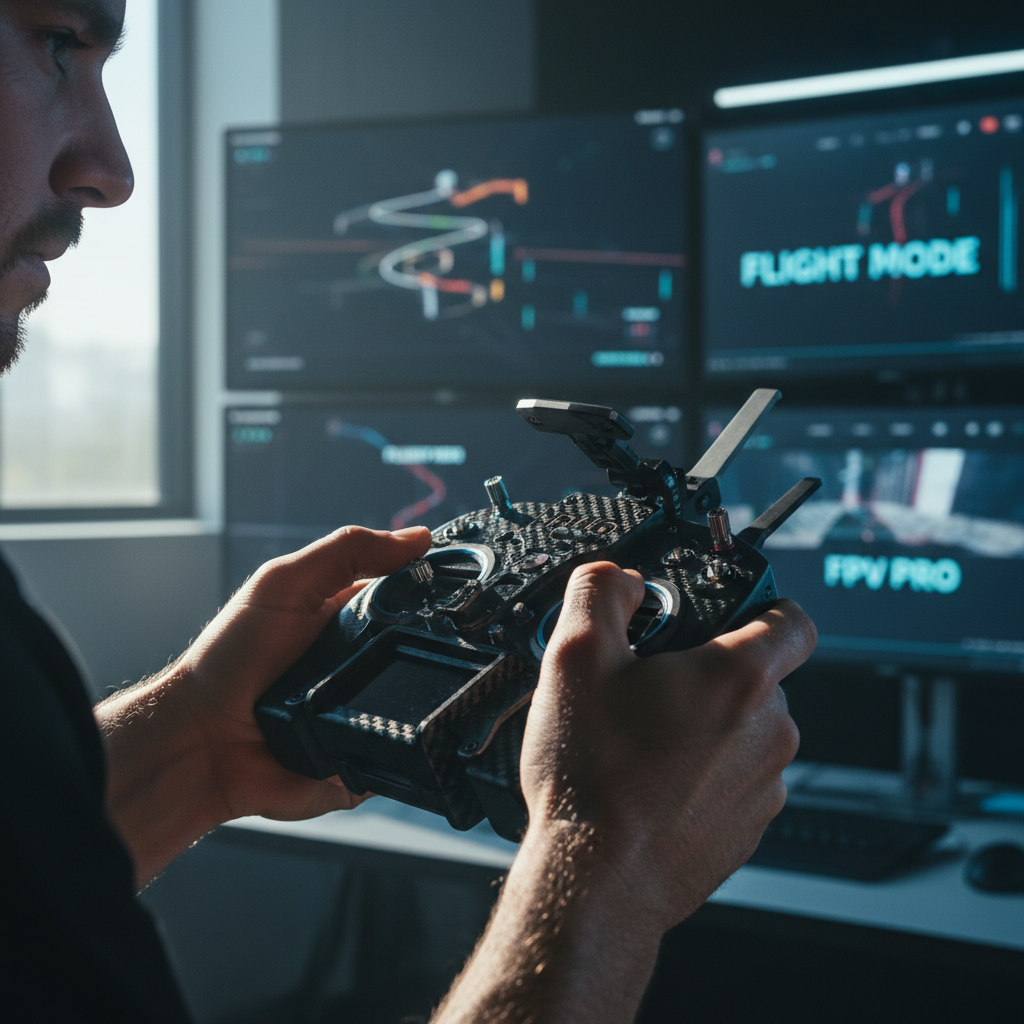
First Person View (FPV) engineering is an exciting and rapidly evolving field, combining elements of aerodynamics, electronics, and computer vision to create immersive flying experiences. Mastering FPV engineering requires a balance of technical knowledge and hands-on practice. This post will guide you through essential tips and techniques to optimize your FPV setup for the best performance.
Choosing the Right Components
Frames and Motors
The frame and motors are the backbone of any FPV drone. Selecting a sturdy, lightweight frame will enhance agility and durability. Consider carbon fiber frames for their strength-to-weight ratio. Motors should be chosen based on the drone's intended use, with higher KV motors providing more speed for racing, and lower KV motors offering more control for cinematic flying.
Batteries and Power Systems
The power system, including the battery and ESCs (Electronic Speed Controllers), is crucial for drone performance. Opt for high-quality, reliable batteries that offer a balance between capacity and weight. Lithium Polymer (LiPo) batteries are popular due to their energy density. Ensure your ESCs are compatible with your motors to prevent power issues.
Tuning for Optimal Performance
Flight Controller Settings
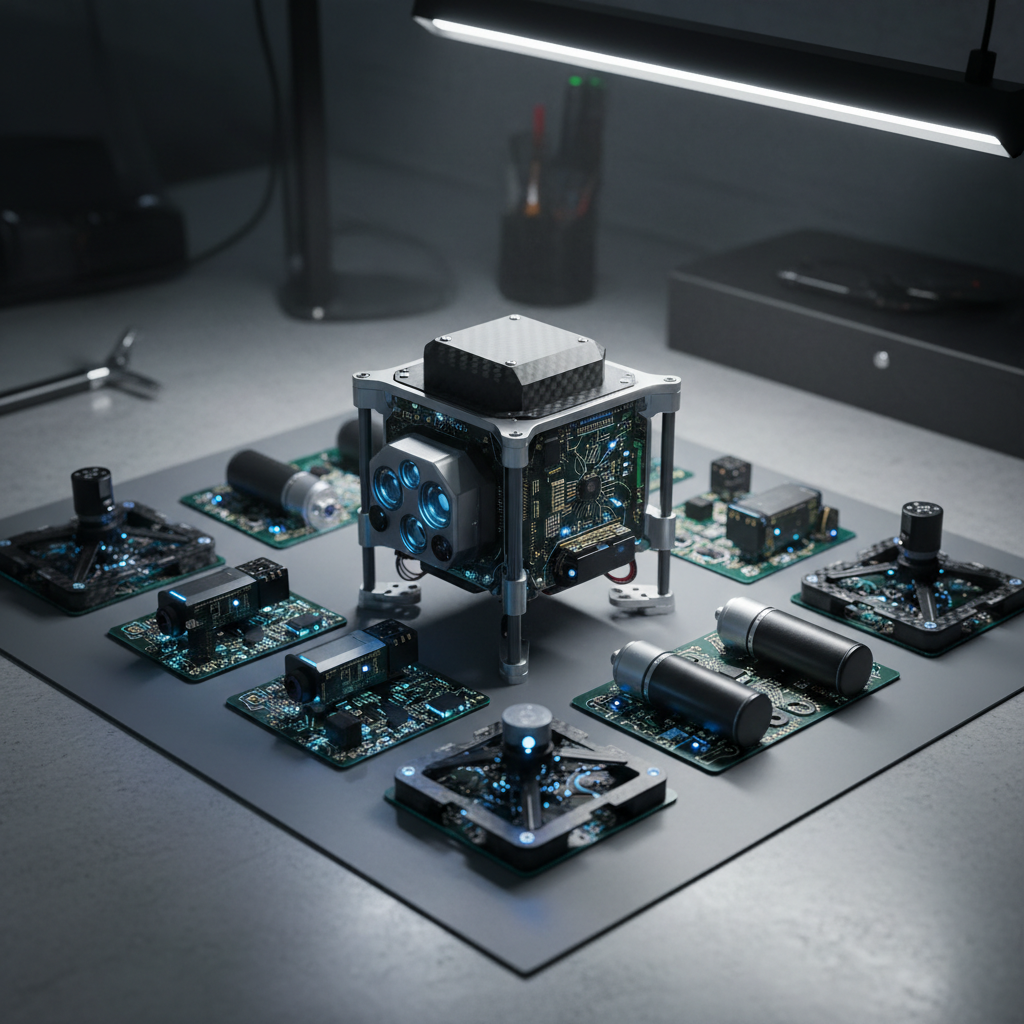
Your flight controller is the brain of your drone, interpreting signals and adjusting motor outputs. Tuning the PID (Proportional, Integral, Derivative) settings can significantly impact flight stability and responsiveness. Experiment with these settings to find the sweet spot for your flying style.
Video Transmission and Camera Quality
Clear video transmission is critical for FPV flying. Invest in a high-quality camera and video transmitter to minimize latency and improve image clarity. Consider a camera with a wide dynamic range for better visibility in varying light conditions.
Enhancing Your FPV Experience
Antenna Selection
Choosing the right antenna is vital for maintaining a strong video signal. Circular polarized antennas are popular for their ability to reduce signal loss. Ensure your video receiver is compatible with your antenna type for optimal performance.
Regular Maintenance
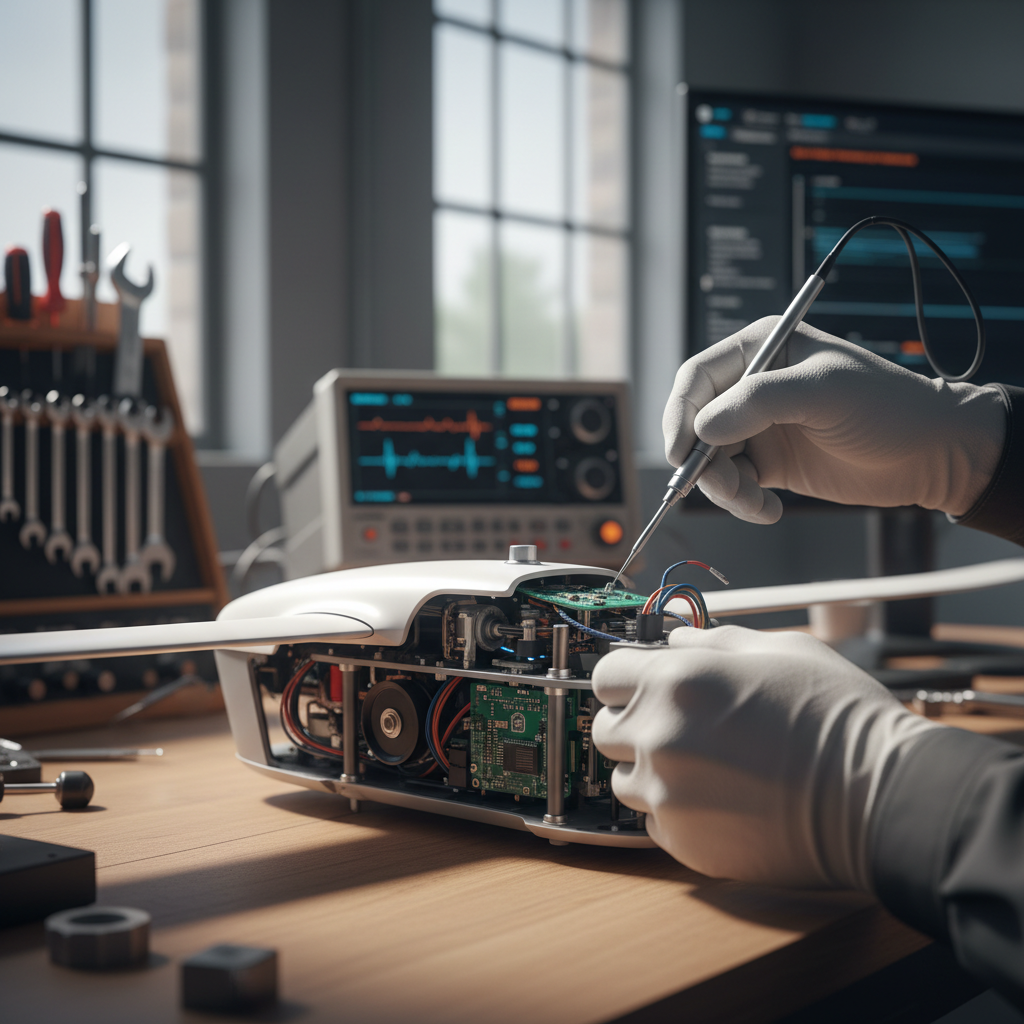
Regular maintenance is necessary to keep your FPV drone in top condition. Check for loose connections, inspect the frame for cracks, and ensure all components are securely mounted. Regular firmware updates for your flight controller and other electronic components can also enhance performance.
Safety and Regulations
Understanding and complying with local drone regulations is a fundamental aspect of responsible FPV flying. Ensure you have the necessary permissions and adhere to guidelines regarding airspace and privacy. Safety should always be a priority—conduct pre-flight checks and fly in designated areas to minimize risks.
By mastering these FPV engineering tips and techniques, you can enhance your drone's performance and enjoy a more immersive flying experience. Continuously learning and experimenting with different setups will keep you at the forefront of this exhilarating hobby.