
Innovative Use Cases for Drones in Industrial Inspections


Revolutionizing Industrial Inspections with Drones
In recent years, drones have emerged as a groundbreaking technology in various fields, one of the most notable being industrial inspections. Their ability to reach inaccessible areas with ease and provide high-quality data has made them indispensable in many industries. This post explores some of the innovative use cases for drones in industrial inspections.
Enhancing Safety and Efficiency
One of the primary advantages of using drones in industrial inspections is the enhancement of safety and efficiency. Traditionally, inspections required human inspectors to climb tall structures or enter hazardous environments, often leading to potential safety risks. Drones, however, can effortlessly navigate these areas, capturing detailed images and data without putting human lives at risk.
Moreover, drones can cover large areas in a fraction of the time it would take a human inspector, thus significantly reducing downtime and increasing operational efficiency. This is particularly beneficial in industries such as oil and gas, where time is a critical factor.
Utilizing Advanced Technology
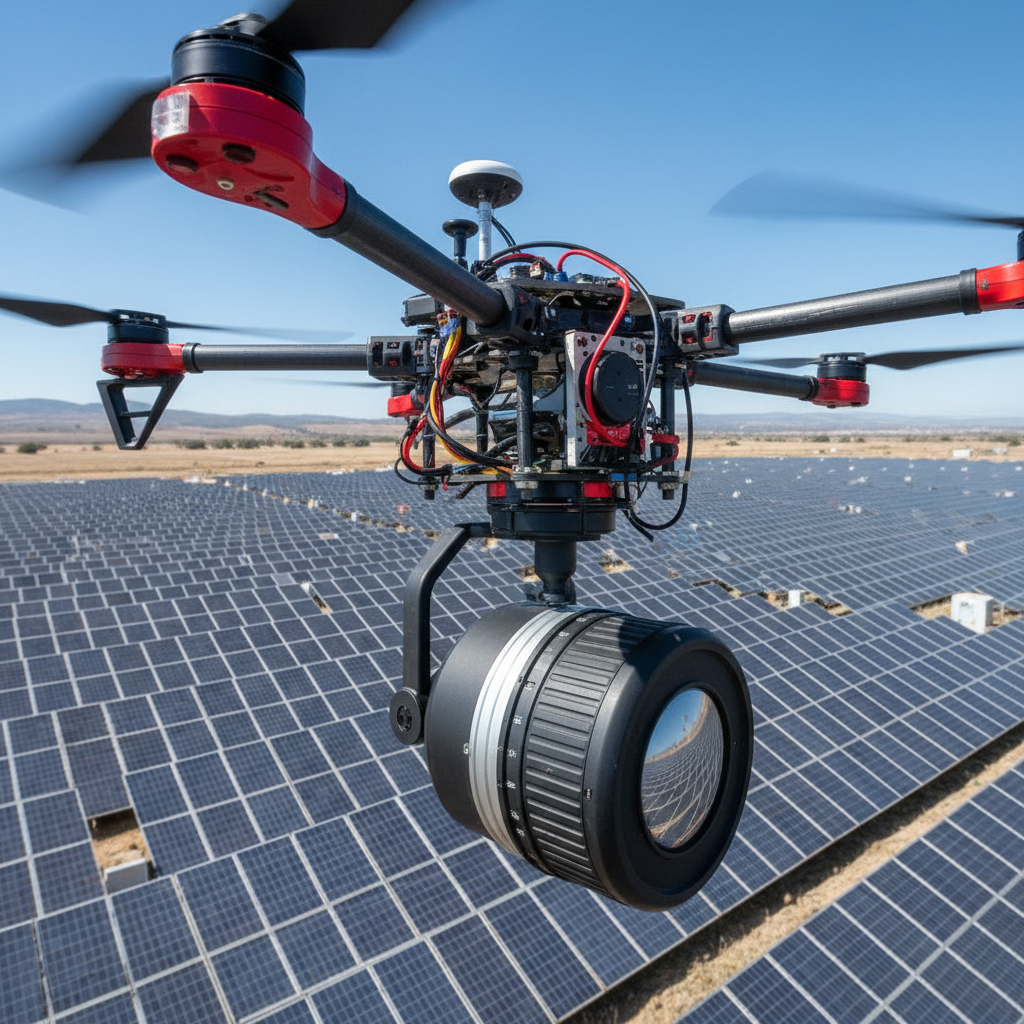
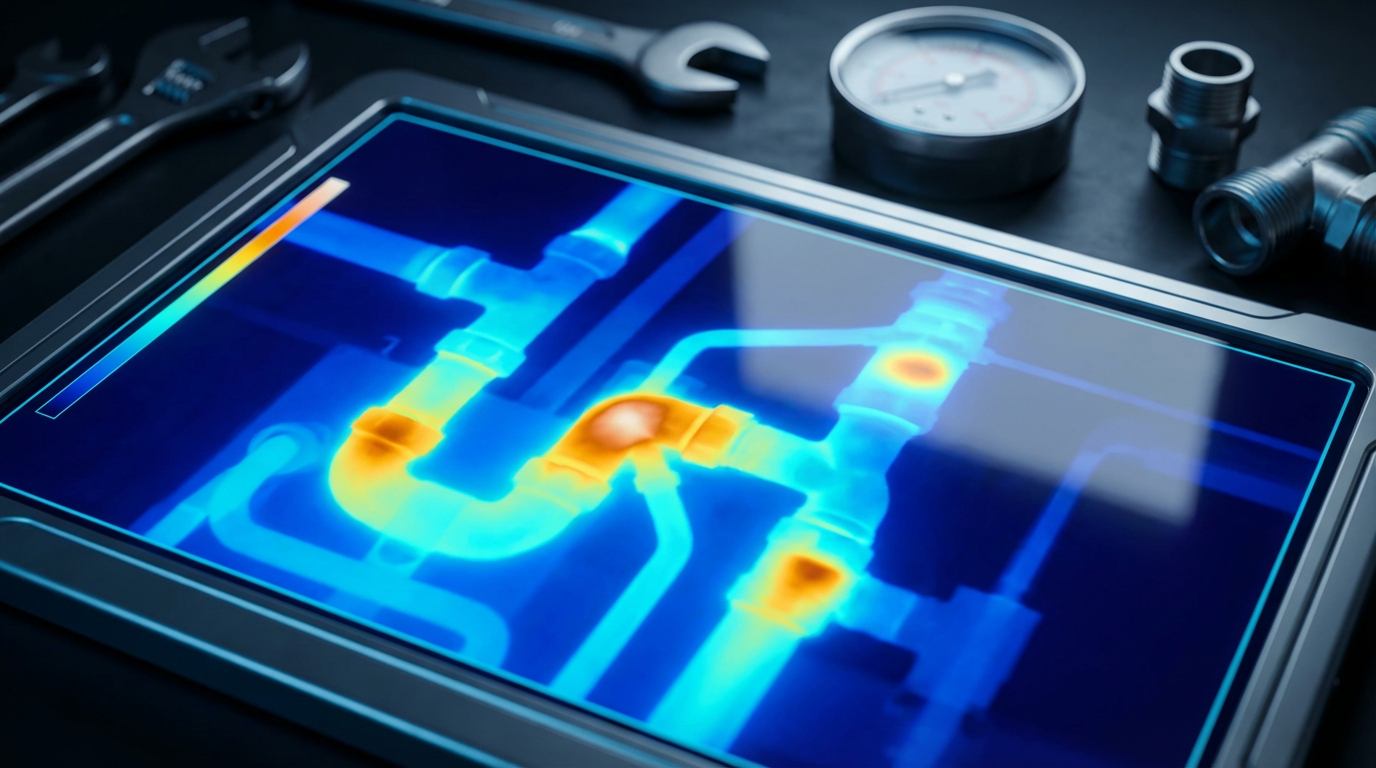
Drones are equipped with advanced technologies like high-resolution cameras, thermal imaging, and LiDAR sensors. These features allow them to detect issues that might not be visible to the naked eye, such as heat loss or structural weaknesses. In the energy sector, for example, drones can identify faulty solar panels or damaged wind turbine blades, enabling timely maintenance and reducing energy loss.
Cost-Effective Solutions
Integrating drones into inspection processes can lead to significant cost savings. By minimizing the need for scaffolding, cranes, and other traditional inspection tools, companies can reduce their expenditure on equipment and labor. Additionally, the quick deployment and rapid data collection capabilities of drones mean that inspections can be conducted more frequently, ensuring that minor issues are addressed before they escalate into costly repairs.
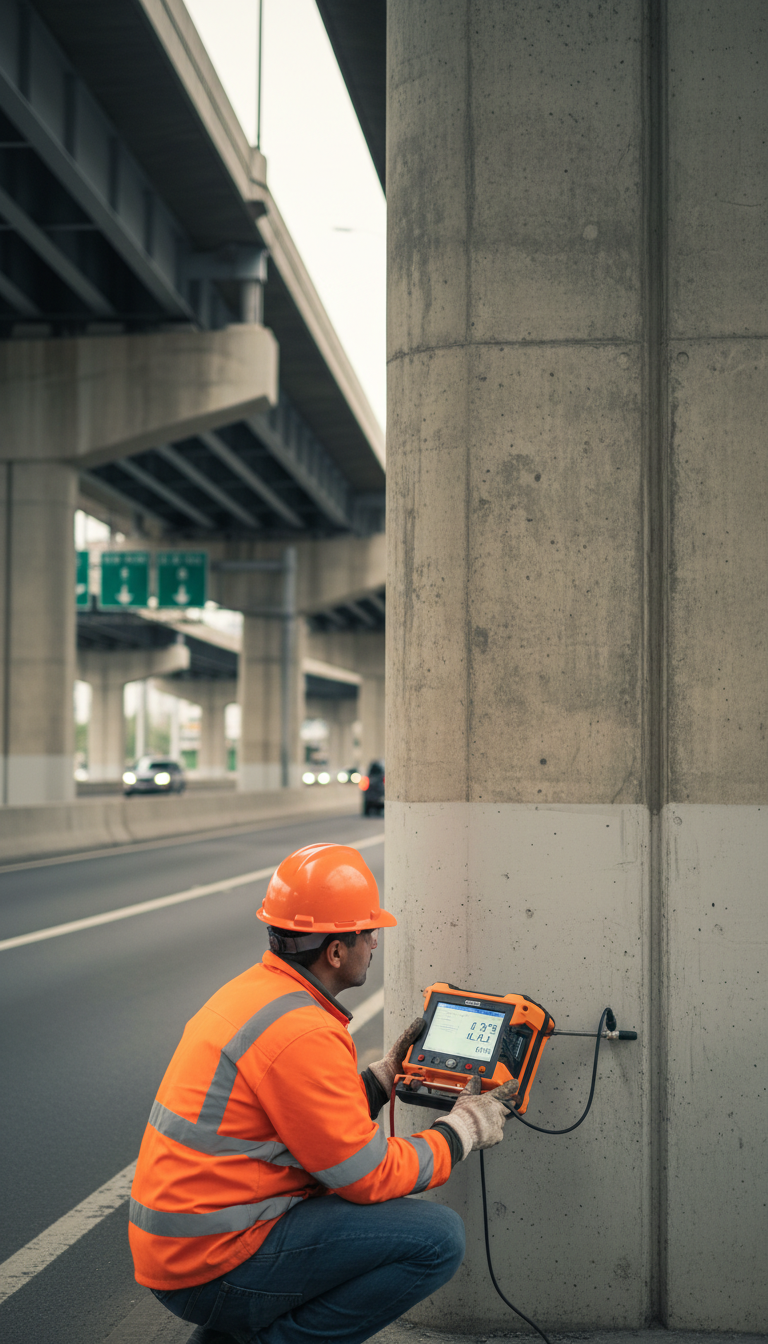
For industries like infrastructure and transportation, drones offer a cost-effective solution for monitoring bridges, roads, and railway lines, ensuring safety and durability over time.
Environmental Monitoring
Drones are also playing a crucial role in environmental monitoring and compliance. In industries such as mining and agriculture, drones provide a bird's-eye view of the landscape, helping companies track changes in the environment and assess the impact of their operations. This data is essential for maintaining regulatory compliance and implementing sustainable practices.
By using drones for environmental monitoring, companies can make informed decisions that contribute to environmental conservation and reduce their ecological footprint.
Future Prospects
As drone technology continues to evolve, the potential applications in industrial inspections are expanding. Innovations such as artificial intelligence and machine learning are being integrated into drone systems, enabling automated data analysis and predictive maintenance. This means that in the near future, drones could not only identify current issues but also predict potential problems before they arise.
The future of drones in industrial inspections is bright, with endless possibilities for improving safety, efficiency, and sustainability across various sectors.

In conclusion, drones are transforming the way industrial inspections are conducted, offering safer, more efficient, and cost-effective solutions. By leveraging cutting-edge technology, industries can ensure that their operations are not only compliant and sustainable but also at the forefront of innovation.