
Innovative FPV Engineering: Transforming Industrial Inspections


Revolutionizing Industrial Inspections with FPV
Industrial inspections have traditionally relied on manual checks, which can be time-consuming and often risky. However, the advent of First-Person View (FPV) technology is transforming how these inspections are conducted. By utilizing drones and other remote devices, FPV allows operators to perform detailed inspections from a safe distance.
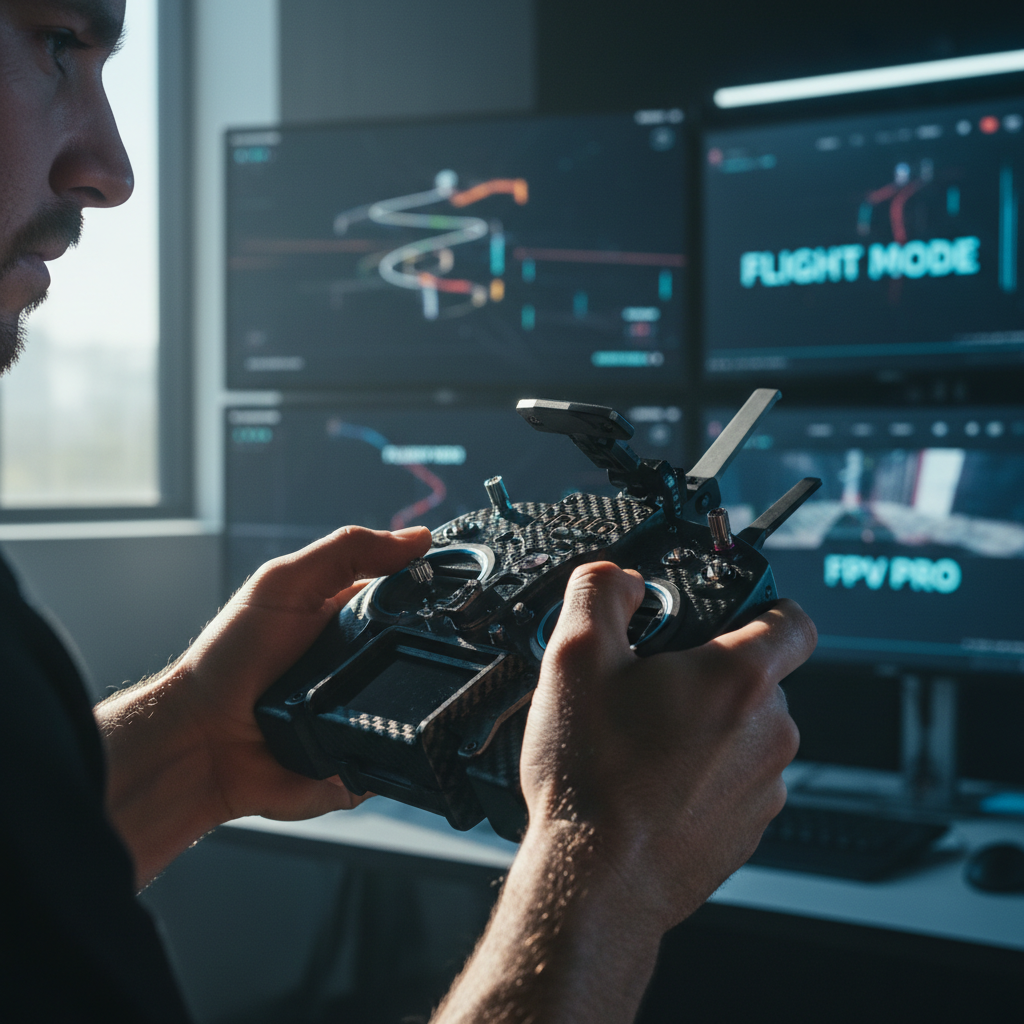
FPV technology provides a real-time video feed from the perspective of the remote device. This enables inspectors to view intricate details of industrial structures without the need to physically access potentially hazardous areas. The result is a significant increase in both safety and efficiency.
The Advantages of FPV in Inspections
There are numerous advantages to using FPV technology for industrial inspections. One of the primary benefits is enhanced safety. By using drones equipped with FPV, inspectors can assess dangerous areas without exposing themselves to harm. This is especially valuable in sectors such as oil and gas, where hazardous conditions are common.
Another key advantage is the reduction in inspection time. Traditional methods often require scaffolding or cranes to access high or hard-to-reach places. FPV drones can quickly fly to these locations, providing a comprehensive view in a fraction of the time.

Applications Across Industries
FPV technology is versatile and can be applied across various industries. In the energy sector, drones are used to inspect wind turbines and solar panels. In construction, they provide valuable insights into structural integrity and progress monitoring. Moreover, in the telecommunications industry, FPV drones facilitate the inspection of cell towers and antennas.
- Energy: Wind turbine and solar panel inspections
- Construction: Structural integrity and progress monitoring
- Telecommunications: Cell tower inspections
These applications demonstrate the broad utility of FPV technology and highlight its potential to streamline inspection processes.
Challenges and Future Prospects
Despite its advantages, FPV technology is not without challenges. The primary concerns include regulatory restrictions, as drone operations are subject to stringent guidelines in many regions. Additionally, the need for skilled operators and the potential for technical malfunctions pose hurdles.
However, the future of FPV in industrial inspections remains promising. As technology advances, we can expect improvements in drone capabilities, including longer flight times and enhanced image quality. Furthermore, ongoing developments in AI could enable more autonomous inspections.
Conclusion
Innovative FPV engineering is redefining how industrial inspections are conducted. By enhancing safety, reducing inspection times, and offering versatile applications, FPV technology is poised to become an integral part of industrial operations. As the industry continues to evolve, embracing these technological advancements will be crucial for maintaining competitiveness and ensuring safety.