
How Remote ID Technologies Enhance Operational Efficiency and Safety


Understanding Remote ID Technologies
Remote ID technologies are revolutionizing various industries by enhancing operational efficiency and safety. These systems provide real-time tracking and identification of devices, vehicles, or personnel, allowing organizations to maintain better control and oversight of their operations. By leveraging these technologies, businesses can optimize workflows, reduce risks, and improve overall productivity.
Remote ID is particularly crucial in sectors like logistics, transportation, and construction, where monitoring the location and status of assets is essential. By integrating these systems, companies can gain valuable insights into their operations and make informed decisions that drive efficiency and safety improvements.
Enhancing Operational Efficiency
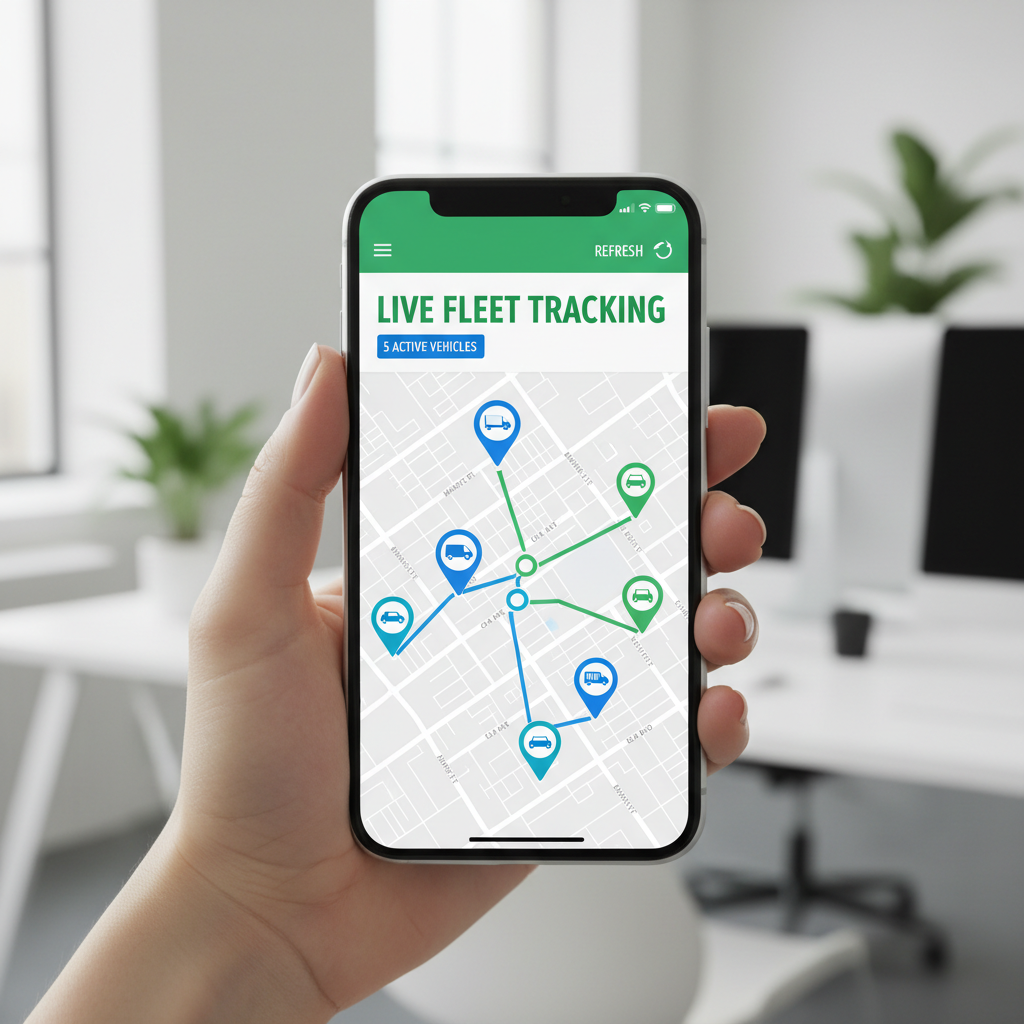
One of the primary benefits of Remote ID technologies is their ability to enhance operational efficiency. By providing real-time data and analytics, these systems help organizations streamline processes and reduce downtime. For example, in the logistics sector, Remote ID can track the movement of goods, ensuring timely deliveries and minimizing delays.
Moreover, Remote ID technologies enable predictive maintenance by monitoring the condition of machinery and equipment. This proactive approach reduces unexpected breakdowns and allows for timely repairs, ultimately saving time and resources. Additionally, by integrating with other systems, Remote ID can automate routine tasks, freeing up human resources for more strategic activities.
Improving Safety Standards
Safety is a critical concern in many industries, and Remote ID technologies play a pivotal role in enhancing safety standards. By providing accurate location data and status updates, these systems enable organizations to monitor and respond to potential hazards more effectively. In transportation, for instance, Remote ID can prevent accidents by ensuring vehicles maintain safe distances and speeds.
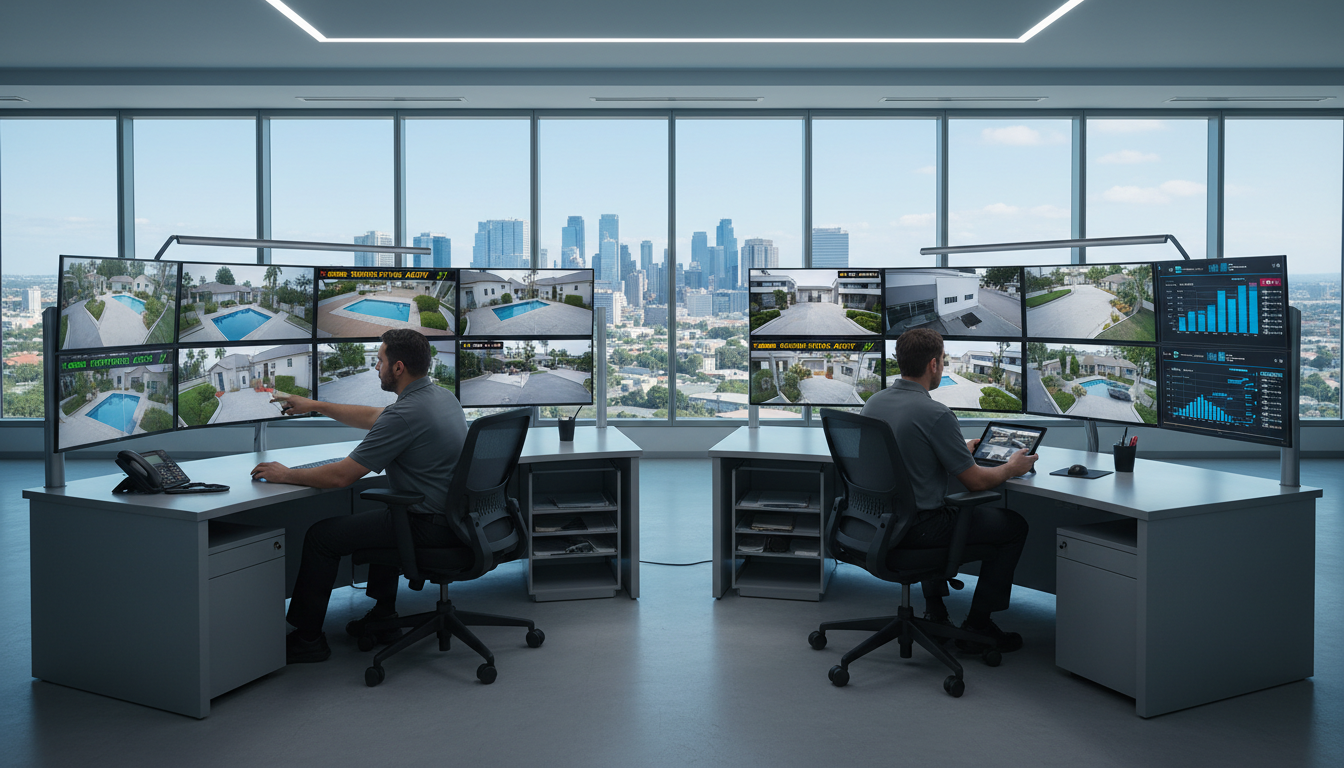
Furthermore, Remote ID technologies facilitate compliance with safety regulations by maintaining comprehensive records of operations and incidents. This data can be used to identify trends, implement corrective measures, and enhance training programs, ultimately fostering a safer working environment.
Applications Across Industries
Remote ID technologies have diverse applications across various industries. In construction, they can track workers and equipment on-site, ensuring optimal resource allocation and project timelines. In agriculture, these systems monitor crop conditions and equipment usage, aiding in efficient farm management.
- Logistics: Optimize supply chain management and reduce delivery times.
- Healthcare: Track medical equipment and personnel for improved patient care.
- Aviation: Ensure safe drone operations and compliance with regulations.
Future Prospects of Remote ID Technologies
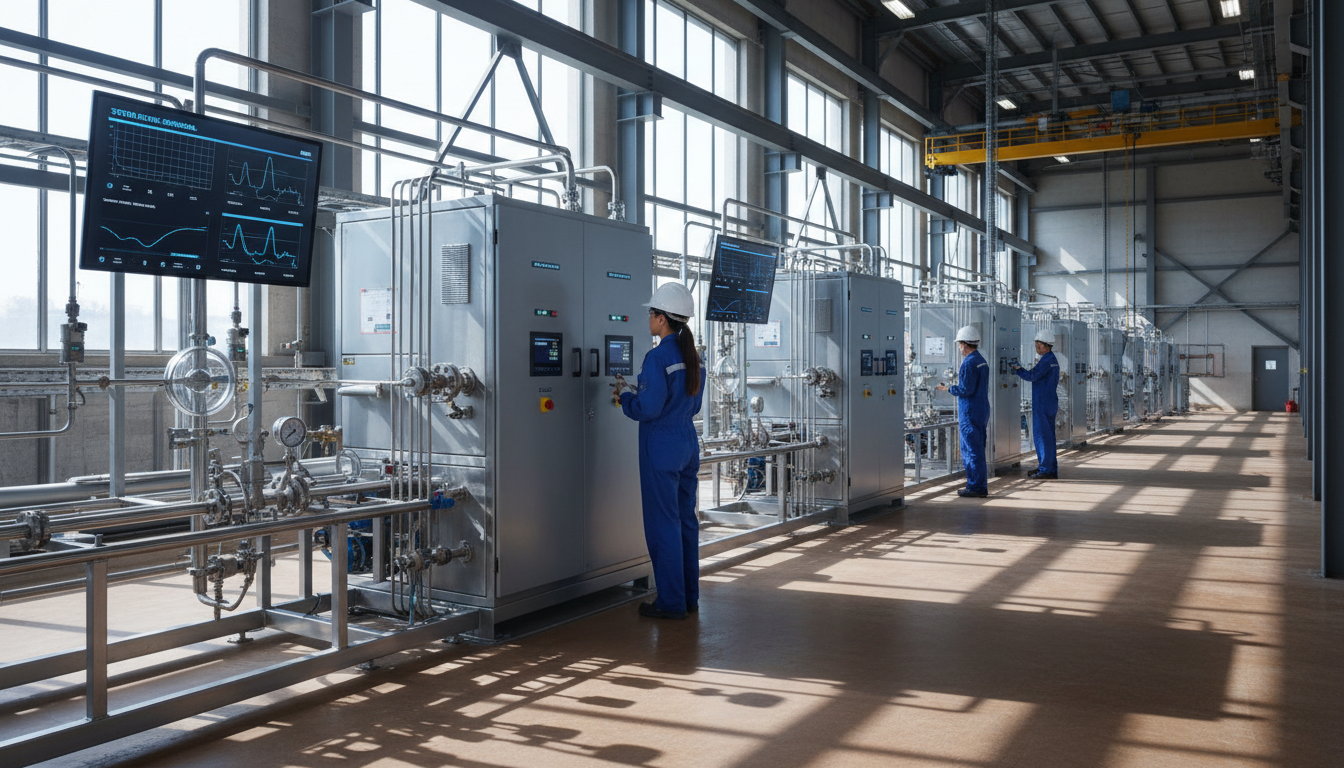
The future of Remote ID technologies is promising, with advancements in IoT and AI paving the way for even greater capabilities. As these technologies evolve, they will offer more precise tracking, enhanced data analytics, and seamless integration with other systems. This progress will further improve operational efficiency and safety across industries.
Organizations that adopt and adapt to these innovations will have a competitive edge, benefiting from increased productivity and reduced risks. As Remote ID technologies continue to advance, they will undoubtedly become an integral part of modern operations, driving success in an increasingly connected world.