
How FPV Engineering is Transforming Security Operations


Introduction to FPV Engineering in Security
First Person View (FPV) technology is no longer just a tool for hobbyists and drone enthusiasts. It is now playing a pivotal role in transforming security operations across various industries. By providing real-time, immersive video feeds, FPV engineering is enhancing the capabilities of surveillance and monitoring systems.
The Advantages of FPV in Surveillance
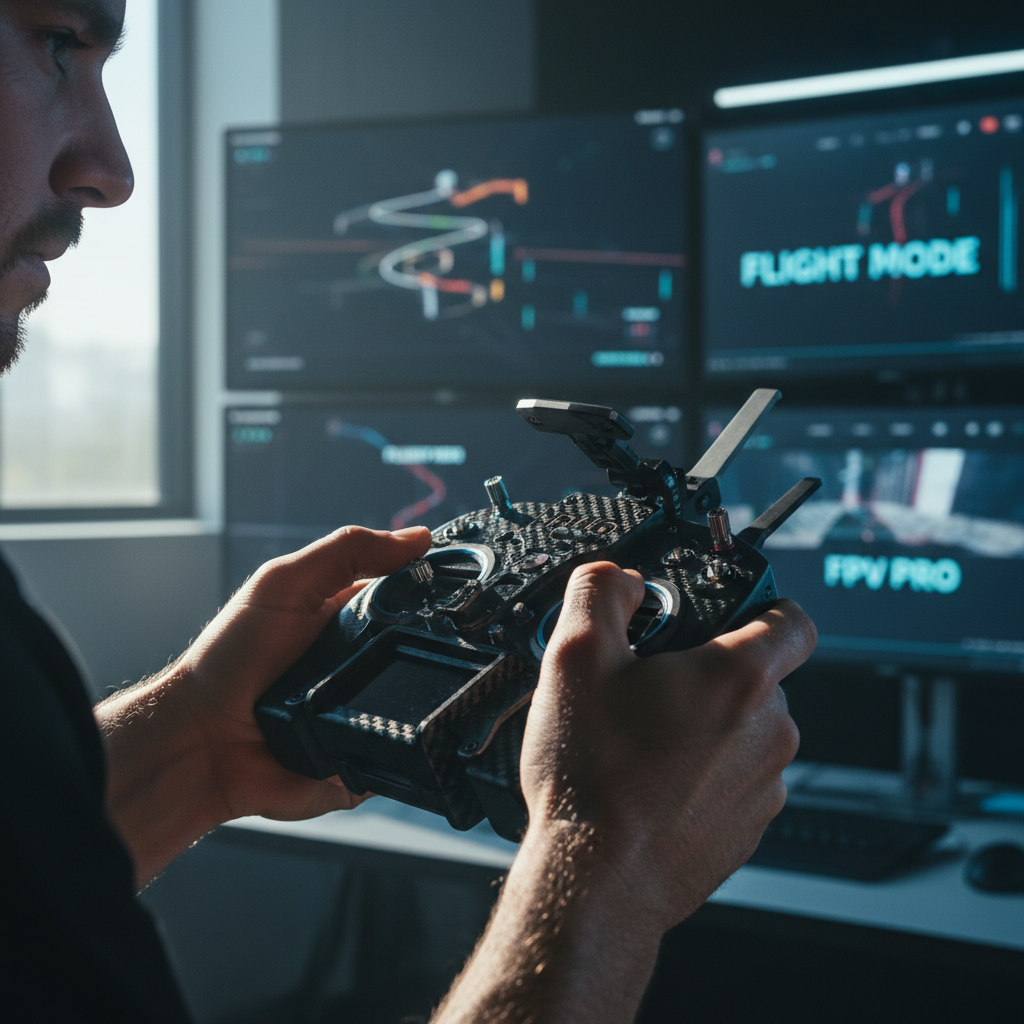
One of the primary benefits of FPV technology in security is the ability to provide live, high-definition video feeds. This enables security personnel to gain a comprehensive view of an area in real time, improving situational awareness and response times. The immersive experience offered by FPV allows operators to feel as if they are physically present at the location, leading to more informed decision-making.
Moreover, FPV drones can access hard-to-reach areas, making them invaluable for surveillance in complex environments. Whether it’s navigating through tight spaces or reaching high altitudes, these drones provide unparalleled flexibility.
Enhanced Monitoring Capabilities
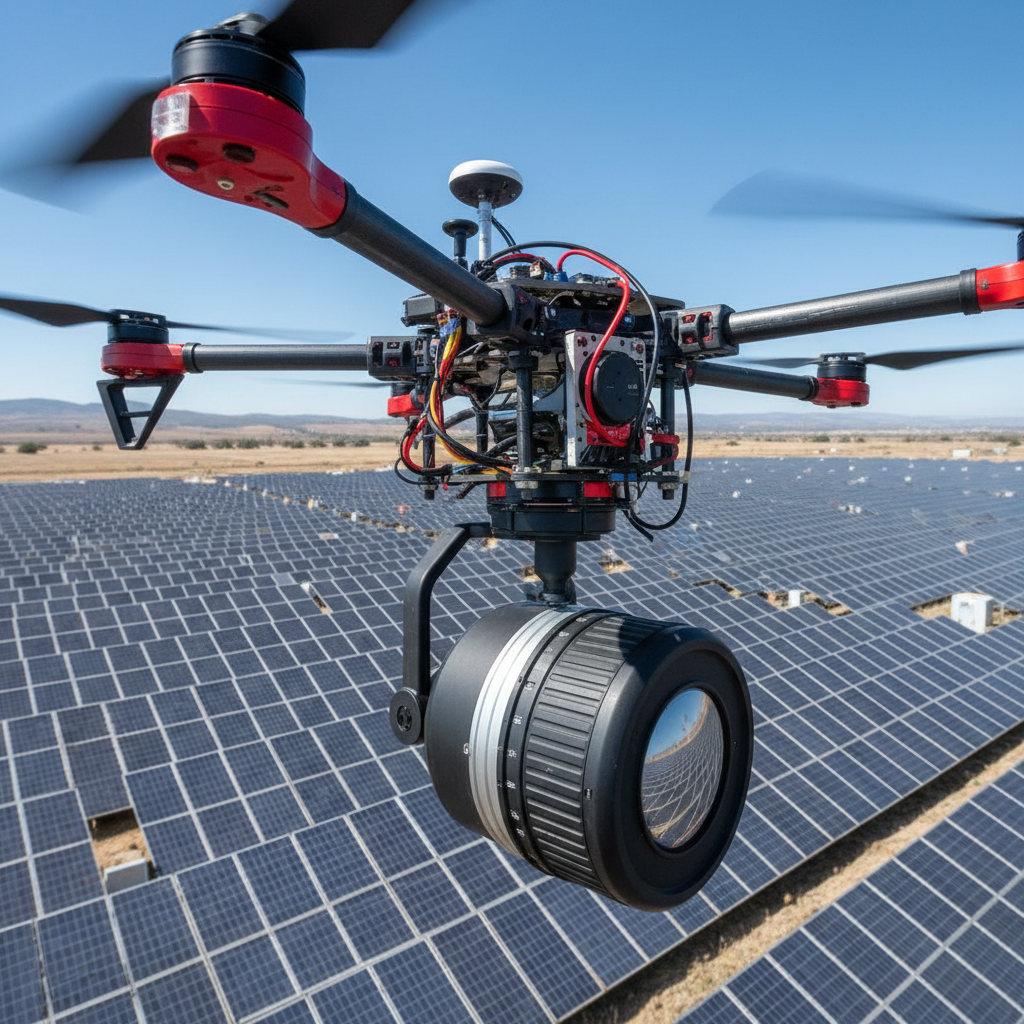
FPV technology is not limited to visual surveillance; it can also be integrated with other sensors to enhance monitoring capabilities. For instance, thermal imaging sensors can be used alongside FPV to detect heat signatures, which is particularly useful in low-light conditions or for identifying hidden threats.
Improving Response Times and Efficiency
The ability to deploy FPV drones quickly in response to incidents is another significant advantage. Unlike traditional security measures, which may require personnel to physically reach a location, FPV drones can be deployed within moments. This rapid deployment capability can be crucial in emergency situations, where every second counts.
Furthermore, FPV drones can cover large areas swiftly and efficiently, reducing the need for extensive ground patrols and minimizing human exposure to potential dangers.
Cost-Effective Security Solutions
Implementing FPV technology can also lead to cost savings for security operations. By reducing the need for large numbers of personnel and traditional surveillance equipment, organizations can cut down on operational costs. The flexibility and efficiency offered by FPV systems mean that fewer resources are required to maintain the same level of security.
Challenges and Considerations
While FPV engineering offers numerous benefits, there are challenges to consider. Privacy concerns are paramount, as the use of drones for surveillance can raise legal and ethical questions. It's crucial for organizations to ensure that their use of FPV technology complies with all relevant regulations and respects individual privacy rights.
Additionally, the technical expertise required to operate FPV systems effectively should not be underestimated. Proper training and support are essential to maximize the benefits of this technology.
The Future of FPV in Security Operations
Looking ahead, FPV technology is poised to become an integral part of modern security operations. As advancements continue, we can expect even more sophisticated systems that offer greater range, improved video quality, and enhanced integration with other technologies. The ongoing development of autonomous drones and AI-driven analytics will further expand the possibilities for FPV in security.
Ultimately, FPV engineering is set to revolutionize how security operations are conducted, offering a dynamic and effective solution to an ever-evolving array of threats.