
FPV Technologies in Training and Simulation: Enhancing Skills and Safety


Introduction to FPV Technologies
First-person view (FPV) technologies are reshaping the landscape of training and simulation across various industries. By providing immersive experiences, these technologies enhance skill development and ensure safety in critical environments. FPV systems, commonly used in drone piloting, offer a unique perspective that allows users to experience environments as if they were directly in them.

The Role of FPV in Skill Development
FPV technologies have become integral in training programs, offering realistic scenarios that traditional methods simply cannot replicate. By simulating real-world conditions, trainees can develop critical skills without the associated risks. This method is particularly beneficial in fields such as aviation, military, and emergency response.
One of the key advantages of FPV training is the ability to practice in a *controlled environment*. Trainees can make mistakes, learn from them, and retry without facing real-world consequences. This iterative process enhances learning and builds *confidence* in handling complex situations.
Enhancing Safety Through Simulation
Safety is a paramount concern in high-stakes environments. FPV technologies contribute significantly to safety by allowing users to experience dangerous scenarios in a virtual setting. This approach helps in understanding potential risks and developing appropriate responses.
By using FPV systems, organizations can conduct *comprehensive risk assessments* and refine their safety protocols. This proactive approach minimizes the likelihood of accidents, ensuring that personnel are well-prepared for real-world challenges.
Applications in Various Industries
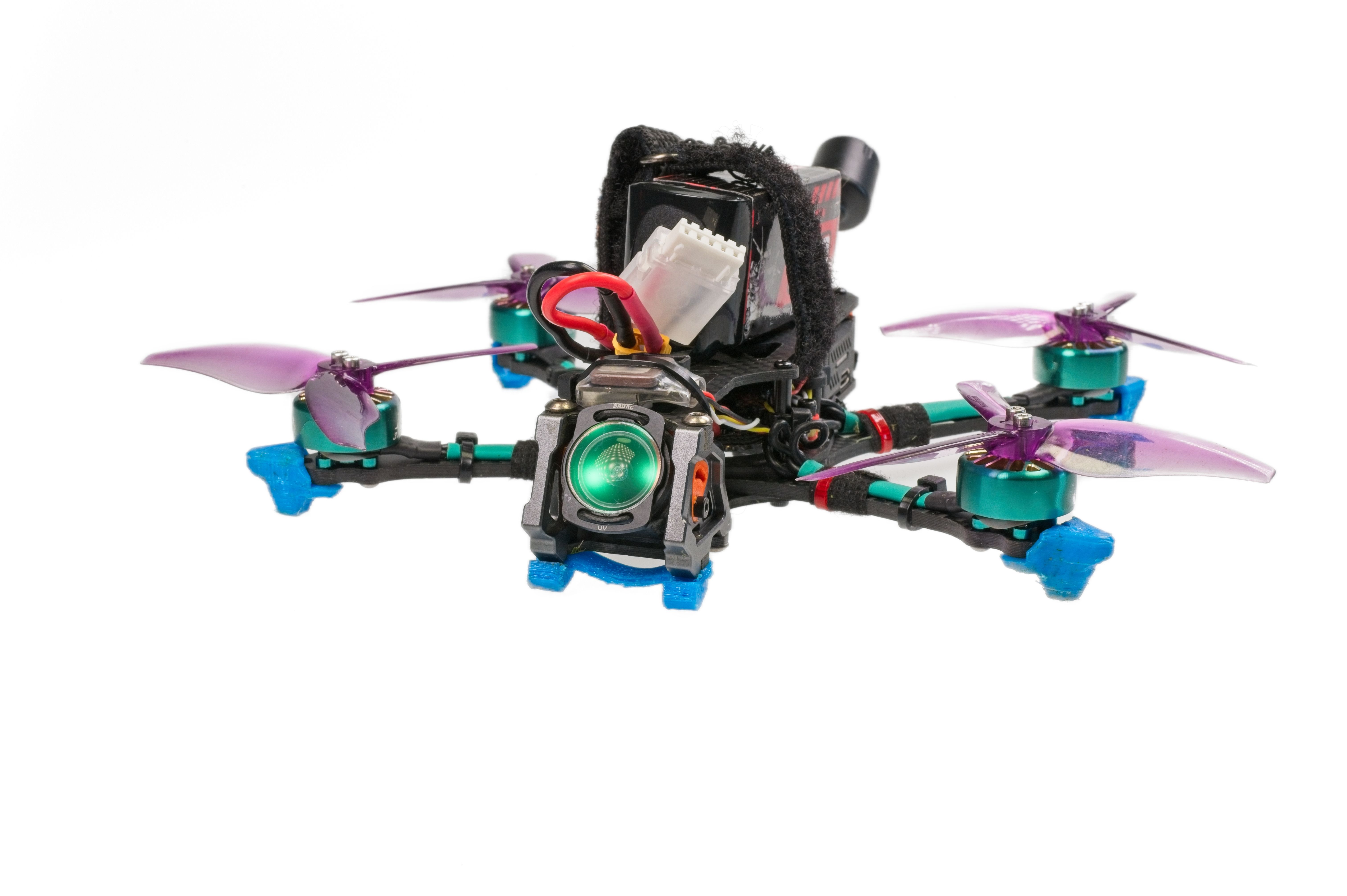
FPV technologies are not limited to a single field; they have applications across multiple industries. In the medical field, for instance, FPV systems are used for surgical training, allowing practitioners to perfect their techniques. Similarly, in the construction industry, FPV drones provide a detailed view of sites, aiding in inspection and project management.
- Aviation: Pilot training and air traffic management.
- Military: Tactical training and mission simulations.
- Emergency Services: Disaster response and incident management.
The Future of FPV Technologies
The future of FPV technologies in training and simulation is promising. With advancements in virtual reality and augmented reality, FPV systems are becoming more sophisticated and accessible. These technologies will continue to evolve, providing even more realistic and effective training solutions.
As FPV systems become more integrated with AI and machine learning, the potential for personalized training experiences grows. This integration will allow for tailored simulations that meet the specific needs of individuals and organizations, further enhancing effectiveness and efficiency.
Conclusion
FPV technologies are revolutionizing training and simulation, offering unprecedented opportunities for skill development and safety enhancement. By providing immersive and realistic experiences, they prepare individuals and organizations for the complexities of real-world environments. As these technologies continue to advance, their impact will only grow, shaping the future of training across industries.