
Exploring FPV Engineering: Enhancing Training and Simulation Experiences


Introduction to FPV Engineering
First-Person View (FPV) engineering has revolutionized the way we approach training and simulation in various fields. By leveraging real-time video transmission technology, FPV offers an immersive experience that enhances both learning and operational efficiency. This technology is particularly impactful in areas such as aviation, military training, and drone piloting.
The Role of FPV in Modern Training
Incorporating FPV into training programs provides a unique perspective that traditional methods often lack. Trainees can experience scenarios from a first-person viewpoint, which aids in developing a more intuitive understanding of their environment. This immersive experience is crucial in high-stakes fields where situational awareness can make a significant difference.
Advantages of FPV in Simulation
FPV technology enhances simulations by creating realistic environments that closely mimic real-world conditions. This realism is achieved through high-definition video feeds that allow users to engage with a virtual world as if they were physically present. The benefits are numerous:
- Improved Engagement: Trainees remain more focused and engaged when they feel a part of the scenario.
- Enhanced Skill Development: Realistic environments help in honing skills that are directly transferable to real-life situations.
- Cost-Effectiveness: FPV simulations reduce the need for expensive physical setups, saving resources.
Applications in Various Industries
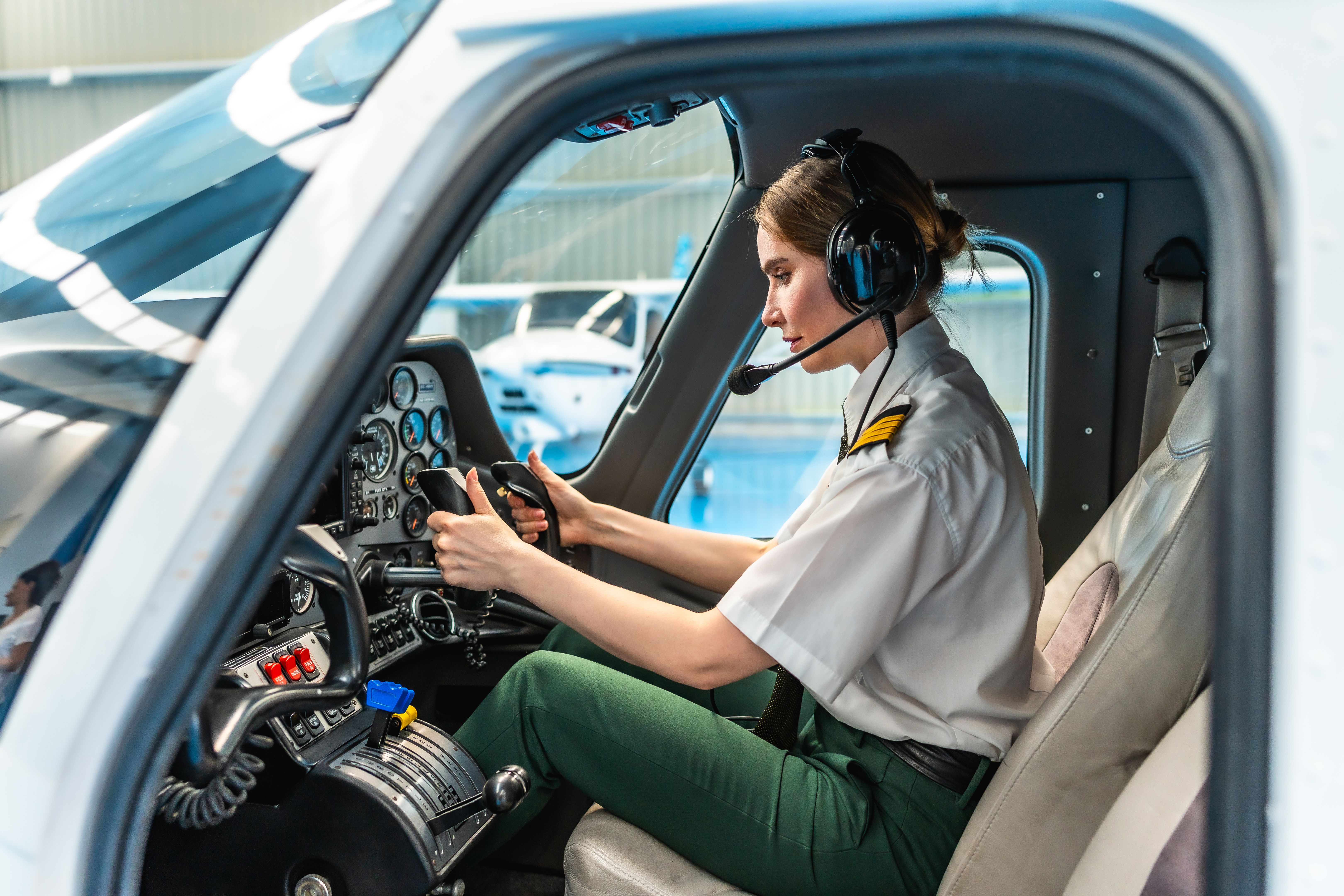
FPV engineering is not limited to one specific industry; its applications are vast and varied. In aviation, for instance, pilots can practice take-offs, landings, and emergency procedures in a controlled yet realistic setting. Military personnel use FPV for mission rehearsals, ensuring readiness without the risks associated with live exercises.
FPV in Drone Training
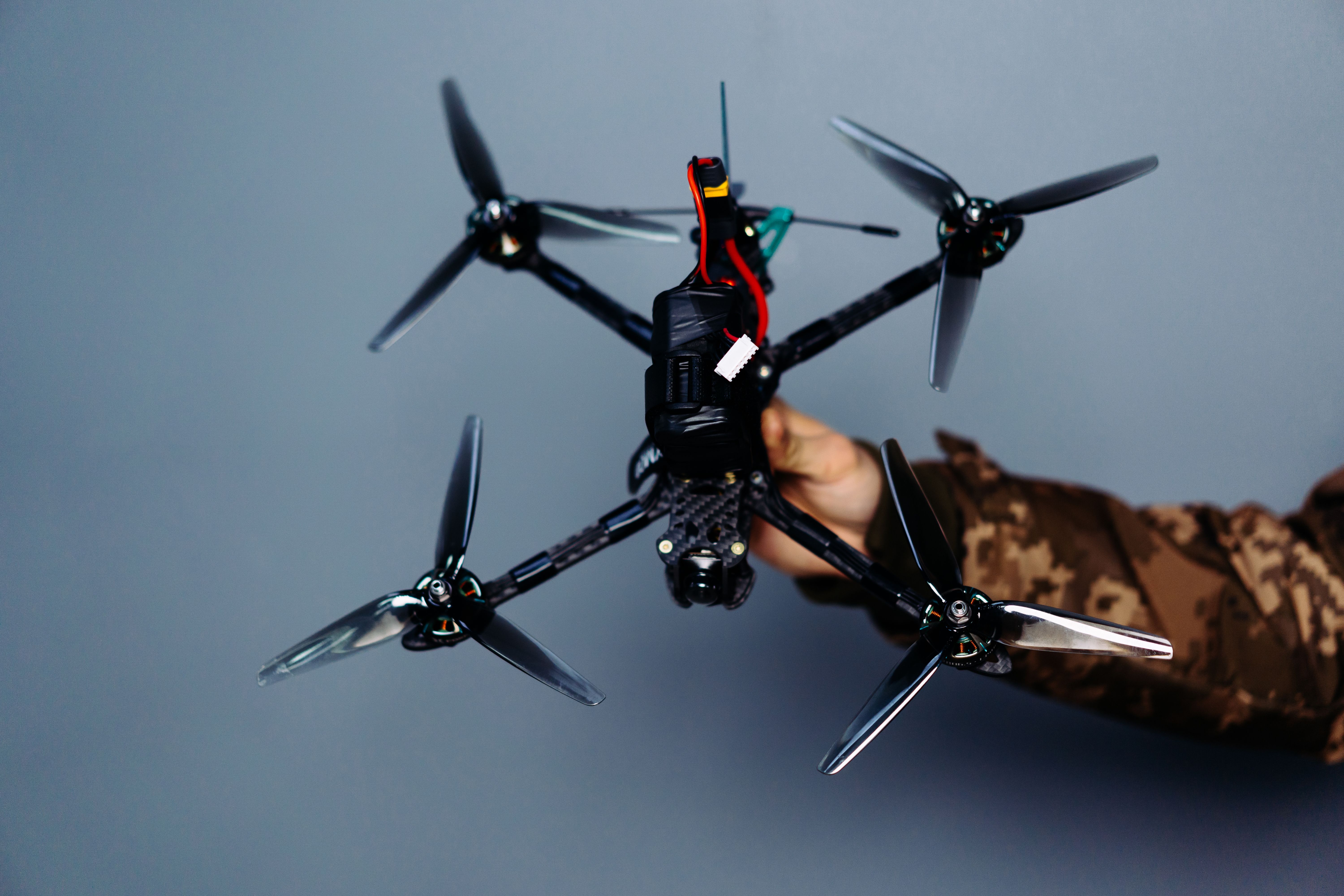
Drones have become an integral part of numerous industries, from agriculture to filmmaking. FPV technology is essential in training drone operators, offering them a firsthand experience of controlling unmanned vehicles. This training is crucial for tasks that require precision, such as aerial inspections and cinematography.
Technological Advancements in FPV
Recent advancements in FPV technology have further expanded its potential. Enhanced video quality, reduced latency, and improved transmission ranges are just a few developments that have made FPV simulations more effective. These improvements ensure that the experience remains uninterrupted and as lifelike as possible.
The Future of FPV Engineering
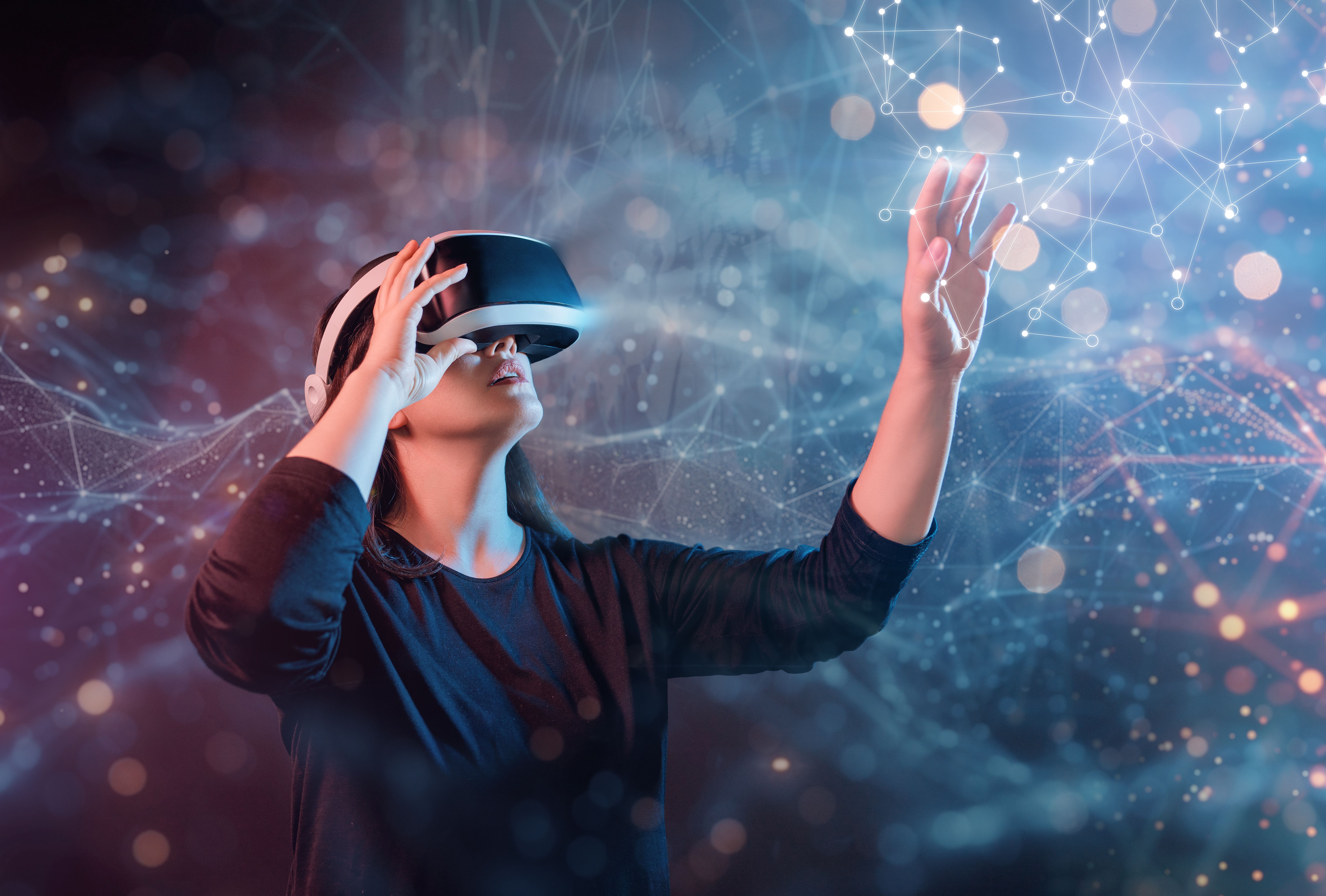
As technology continues to advance, the future of FPV engineering looks promising. Innovations such as augmented reality (AR) integration and artificial intelligence (AI) are set to transform how we use FPV in training and simulation. These technologies will provide even more dynamic and responsive training environments.
Conclusion
FPV engineering is a game-changer in the realm of training and simulation. Its ability to create immersive, realistic environments provides unparalleled opportunities for skill development and operational readiness. As technology evolves, the potential applications of FPV will undoubtedly expand, offering even greater benefits across various industries.