
Expert Tips for Choosing the Right FPV System for Your Needs


Understanding FPV Systems
Choosing the right FPV (First-Person View) system can be an overwhelming task, especially with the plethora of options available today. Whether you're a beginner or an experienced drone enthusiast, selecting the right setup is crucial for an optimal flying experience. This guide will provide you with expert tips to help you make an informed decision.
Assessing Your Needs
Define Your Purpose
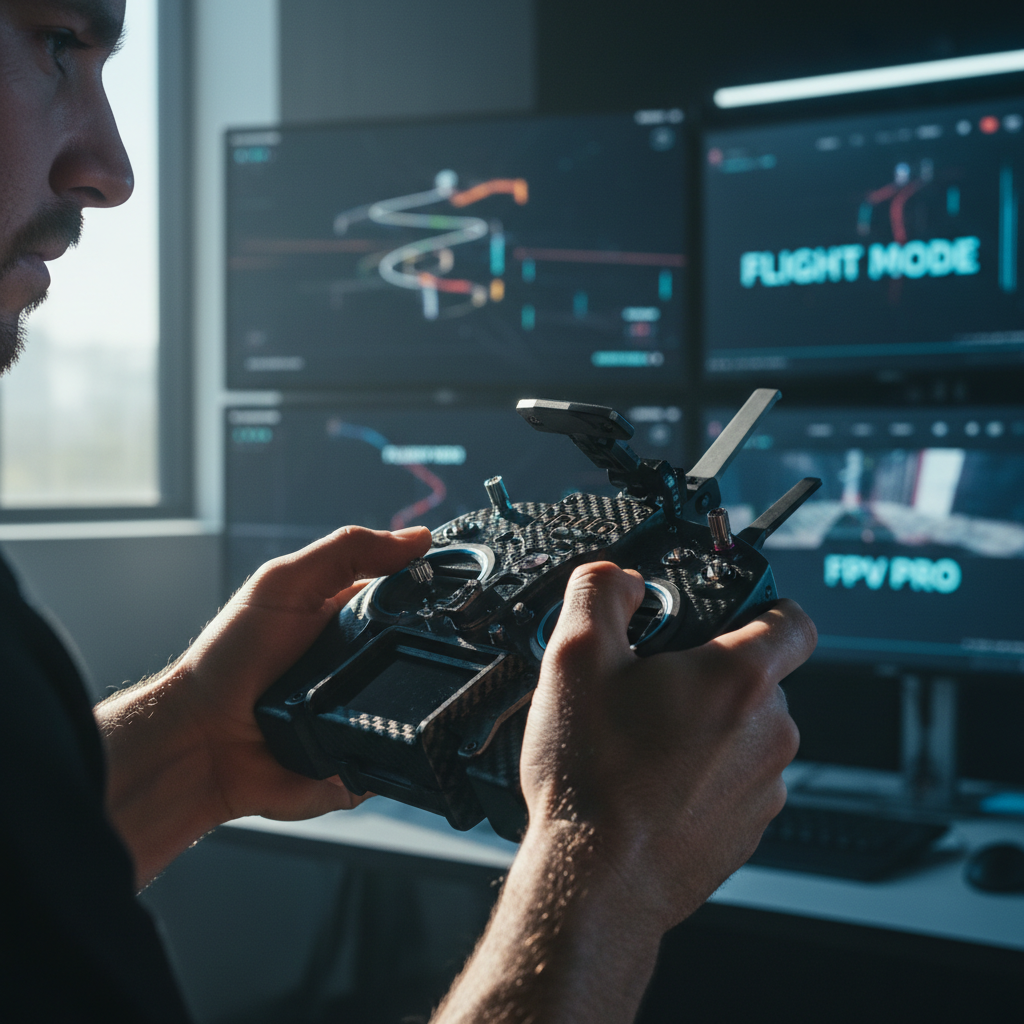
The first step in choosing an FPV system is to clearly define your purpose. Are you interested in racing, freestyle, or aerial photography? Each of these applications requires different features and specifications. Understanding your primary use will help narrow down your options significantly.
Consider Your Skill Level
Your experience level plays a vital role in determining the right FPV system. Beginners might prefer systems that are easy to set up and use, while advanced users might look for customizable and high-performance options. Make sure to match the complexity of the system with your skill level.
Key Components of FPV Systems
Video Transmitter and Receiver
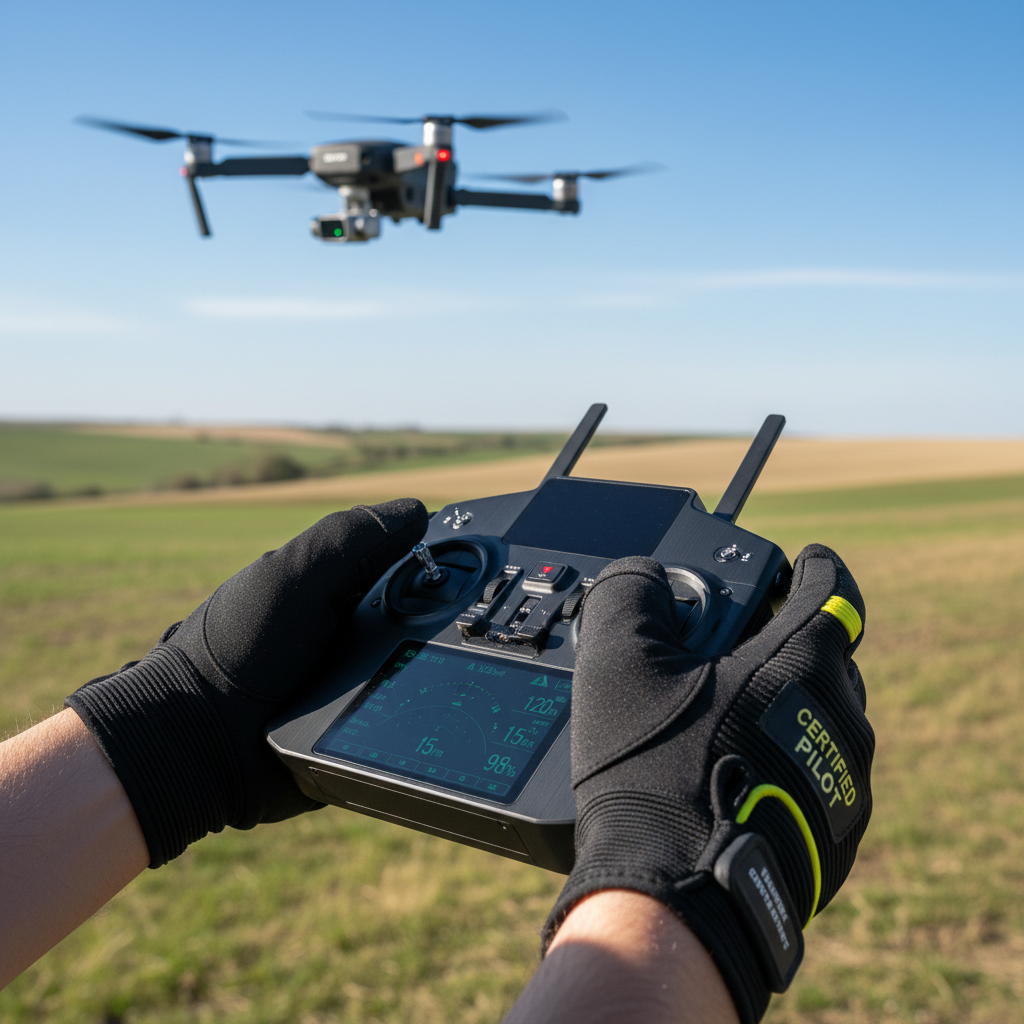
The video transmitter and receiver are critical components of your FPV system. They determine the range and quality of the video feed. It's important to choose a transmitter with enough power for your flying area, while ensuring it's compatible with the receiver.
FPV Camera
The FPV camera is your eye in the sky, so selecting the right one is crucial. Consider factors like resolution, field of view, and low-light performance. A good camera will provide a clear and stable image, enhancing your flying experience.
Choosing the Right Goggles
FPV goggles are another essential element. Comfort, field of view, and resolution are key factors to consider. Try different models to find a pair that fits well and provides a clear image. Some pilots prefer box-style goggles for their larger screens, while others opt for compact, low-profile models.
Understanding Frequencies and Channels
FPV systems operate on different frequencies and channels. It's important to understand these to avoid interference and ensure a stable connection. Common frequencies include 5.8 GHz for casual flying and 2.4 GHz for longer range. Be sure your equipment is compatible and legal in your region.
Final Considerations
Before making a purchase, consider the total cost, including any additional accessories or upgrades you may need. Also, check reviews and seek recommendations from the FPV community. Taking the time to research and understand your options will ensure you choose a system that meets your specific needs and enhances your flying adventures.