
Expert Tips: Preparing Your Drone Operations for Harsh Weather Conditions


Understanding the Challenges of Harsh Weather
Drones have become essential tools in various industries, from agriculture to filmmaking. However, operating drones in harsh weather conditions can present significant challenges. Extreme temperatures, strong winds, and heavy precipitation can affect a drone's performance and safety. Understanding these challenges is crucial for successful operations.

Preparing Your Equipment
Before heading out, ensure your drone is equipped to handle adverse conditions. Use weather-resistant drones with strong build quality. Consider investing in additional protective gear such as rain covers and propeller guards. It's also wise to carry spare batteries, as cold weather can drain them faster.
Perform a thorough pre-flight check. Inspect your drone for any signs of wear or damage that could be exacerbated by harsh weather. Ensure that all firmware and software are up to date to benefit from the latest stability and safety improvements.
Monitoring Weather Conditions
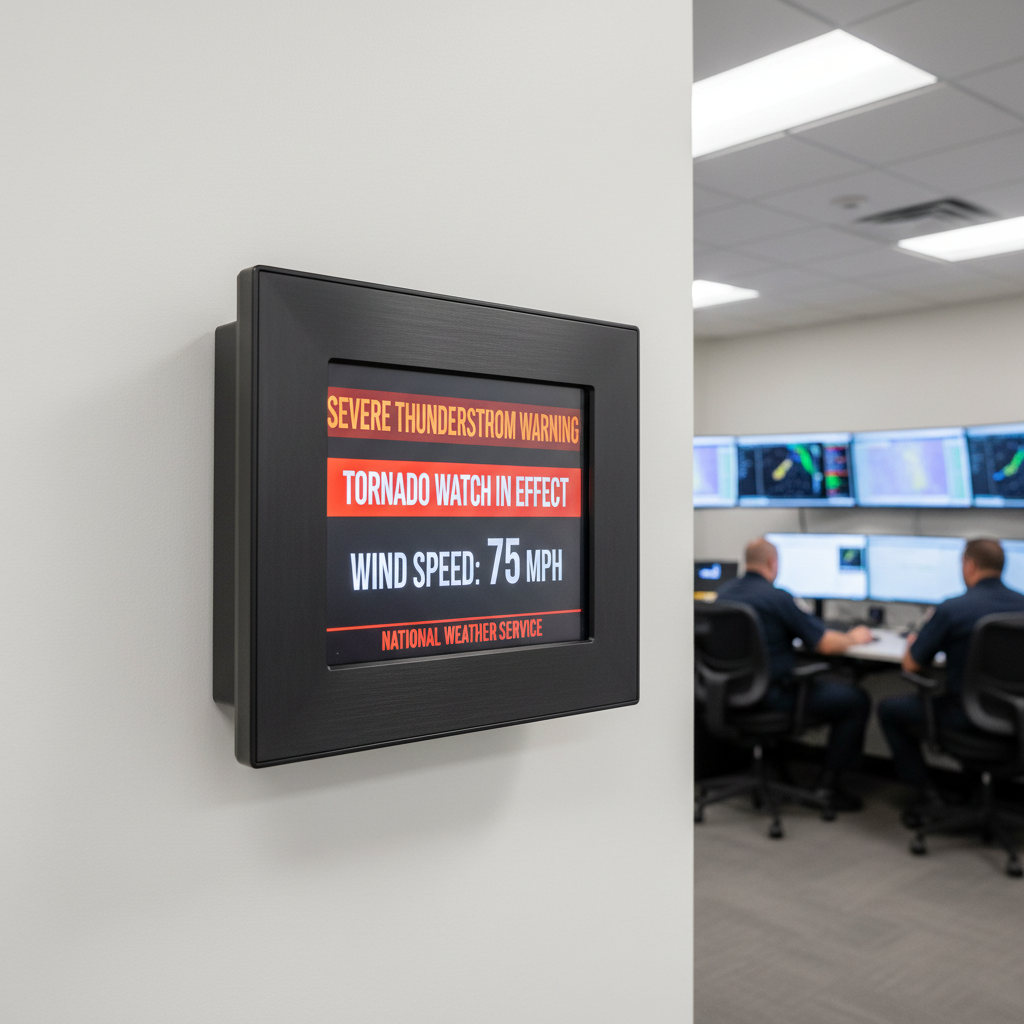
Constantly monitor weather forecasts and real-time updates. Utilize dedicated weather apps or services designed for drone operators. Pay attention to wind speeds, precipitation, and temperature changes. Being informed allows you to make quick decisions, avoiding unnecessary risks.
Adjusting Flight Plans
Adapt your flight plans to suit the weather conditions. Avoid flying in extreme winds or during heavy rain. If you must fly, keep the drone at lower altitudes to maintain better control. Plan shorter flights to minimize exposure to harsh elements and to conserve battery life.
Enhancing Pilot Skills
Developing your piloting skills can make a significant difference when flying in challenging weather. Practice maneuvering your drone in controlled environments with simulated harsh conditions. This will boost your confidence and improve your ability to handle unexpected situations.

Implementing Safety Measures
Safety should always be a priority. Establish a protocol for emergency landings and ensure your team is familiar with these procedures. Use a buddy system, where one person operates the drone while another monitors the surroundings for any hazards. Communication is key to ensuring the safety of both the equipment and the operators.
Documenting Your Flights
Keep detailed records of all flights conducted in harsh weather. Note the conditions, any issues encountered, and how they were resolved. This documentation can provide valuable insights for future operations and help you refine your strategies.
Continuous Learning and Adaptation
The field of drone technology is rapidly evolving. Stay informed about new advancements and best practices for operating in harsh weather. Join online forums, attend workshops, and engage with other drone enthusiasts to share experiences and learn from each other.

By taking these expert tips into account, you can prepare your drone operations to withstand the challenges of harsh weather conditions, ensuring both successful flights and the safety of your equipment.