
Ensuring Compliance with UAE Drone Regulations: A Step-by-Step Guide


Understanding UAE Drone Regulations
In recent years, drones have become increasingly popular in the United Arab Emirates for both recreational and commercial purposes. However, to ensure safety and security, the UAE has implemented strict regulations governing their use. Whether you are a hobbyist or a business owner, understanding these regulations is crucial to avoid penalties and ensure compliance.
Registering Your Drone
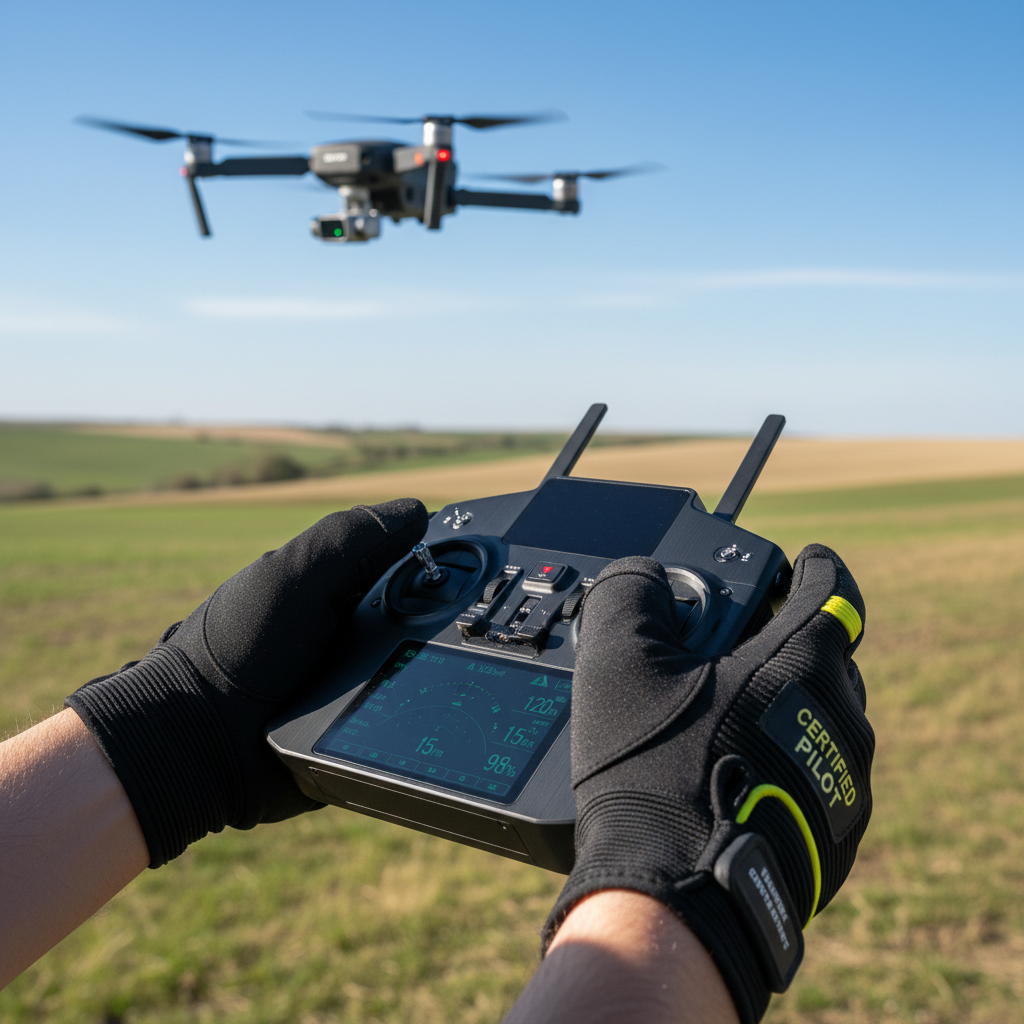
The first step in complying with UAE drone regulations is to register your drone with the General Civil Aviation Authority (GCAA). All drones, regardless of their intended use, must be registered. This process involves providing details about your drone and its purpose. Ensure you have all necessary documentation and identification ready to streamline this process.
Once registered, you will receive a unique identification number for your drone. It is essential to display this number on your drone at all times, as it is a critical component of compliance.
Understanding Flight Restrictions
The UAE has established specific zones where drone flights are allowed, restricted, or prohibited. Familiarize yourself with these zones to avoid flying in restricted areas. The GCAA provides an interactive map that clearly outlines these zones.

Some areas, such as near airports, military bases, and densely populated regions, are strict no-fly zones. Flying in these areas can result in severe penalties, including fines and confiscation of your drone.
Obtaining Necessary Permits
For commercial drone operations, obtaining the necessary permits is a must. This includes securing a Remote Pilots License and an operational approval from the GCAA. The application process may require additional documentation, such as a risk assessment and proof of insurance.
For recreational users, while a license is not mandatory, it is advisable to undergo basic training to understand safe flying practices.
Following Operational Guidelines
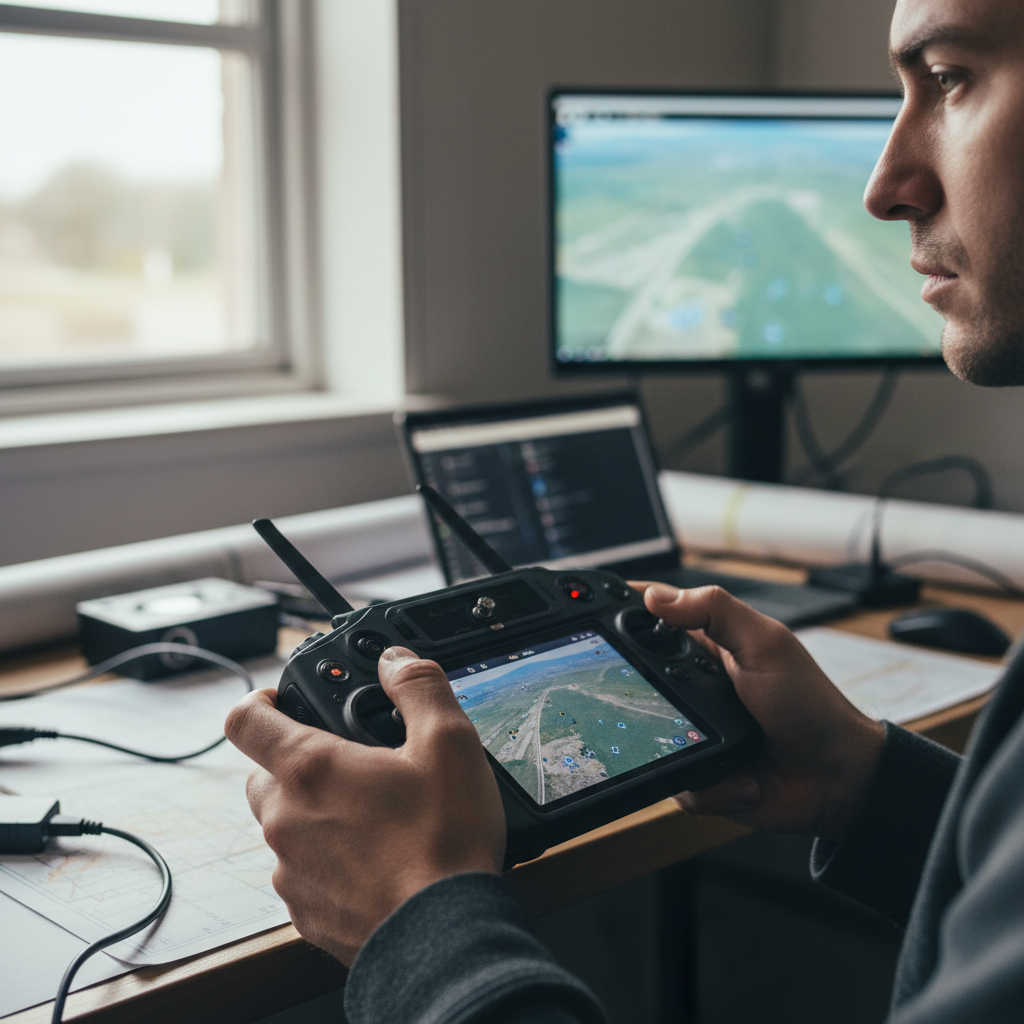
Adhering to operational guidelines is crucial for safe drone usage. This includes maintaining a visual line of sight, not exceeding the maximum altitude of 400 feet, and avoiding flying over people or moving vehicles. Respecting privacy and ensuring your drone does not capture images or videos without consent is also important.
Compliance with these guidelines not only ensures safety but also fosters a positive relationship between drone users and the public.
Staying Updated on Regulation Changes
Drone regulations can change, and staying informed is essential for compliance. Regularly check the GCAA website and subscribe to updates to remain aware of any new regulations or amendments.
By keeping abreast of changes, you can ensure that your drone operations continue smoothly without any legal hitches.
Conclusion
Ensuring compliance with UAE drone regulations is a multi-step process that requires diligence and attention to detail. From registration to operational guidelines, each step is designed to promote safe and responsible drone usage. By following this guide, you can enjoy the benefits of drone technology while adhering to the law.