
Ensuring Compliance and Responsible Operations for UAVs in the UAE


Understanding UAV Regulations in the UAE
Unmanned Aerial Vehicles (UAVs), commonly known as drones, have gained significant popularity in the UAE for both recreational and commercial purposes. As their usage increases, so does the importance of understanding and adhering to regulations. The UAE has established comprehensive guidelines to ensure safe and responsible drone operations.
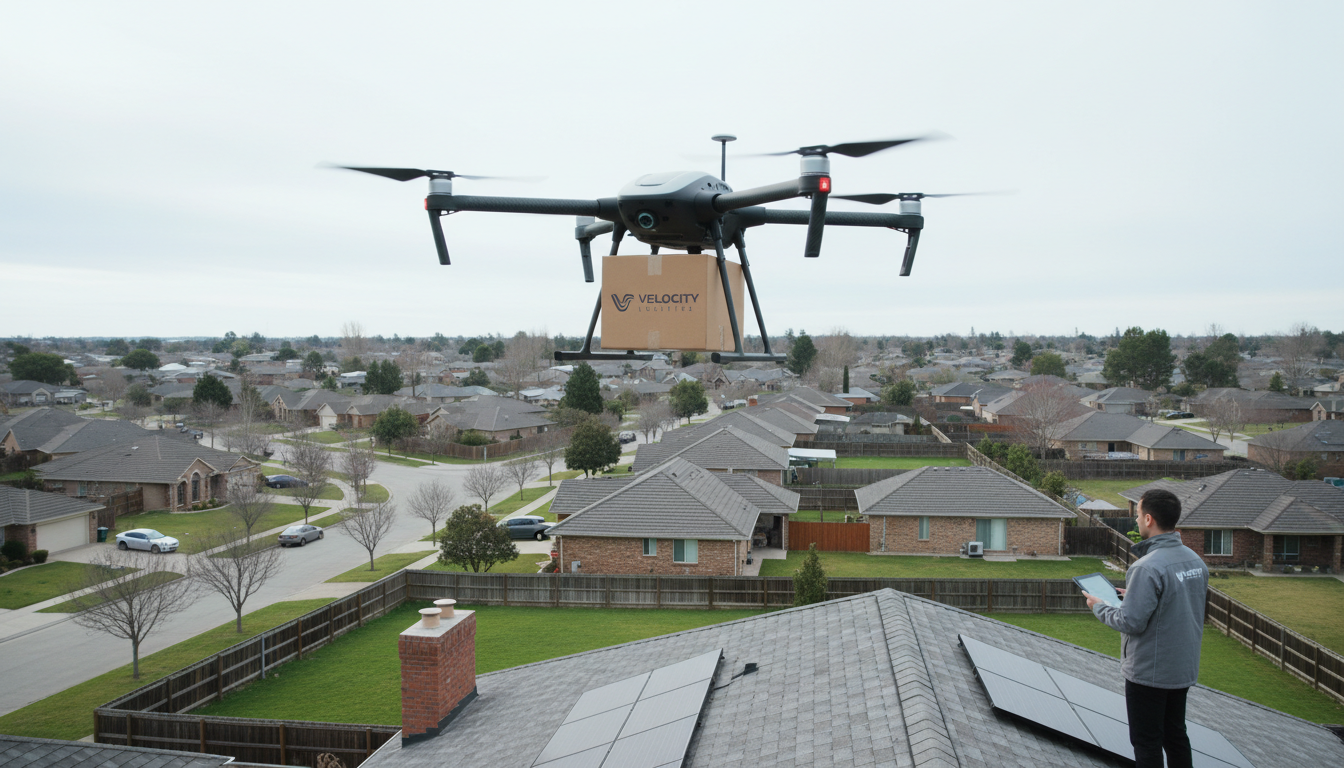
For those looking to operate UAVs, it's crucial to familiarize yourself with the General Civil Aviation Authority (GCAA) regulations. The GCAA requires drone operators to register their devices and obtain the necessary permits, ensuring accountability and safety for all parties involved.
The Importance of Registration and Permits
Registering your UAV is not just a legal obligation; it's a step towards responsible drone operation. The registration process involves providing details about the drone and its intended use. This helps authorities monitor drone activity and address any potential safety concerns.

Obtaining a permit is essential for any commercial drone activity. Whether it's aerial photography, surveying, or delivery services, a permit ensures that operations are conducted within the legal framework. Failure to obtain the necessary permits can lead to significant fines and legal issues.
Safety Measures and Operational Guidelines
The UAE emphasizes the need for strict safety measures when operating UAVs. Operators must ensure that drones are flown in designated areas and away from restricted zones such as airports and military bases. Adhering to these guidelines is vital to prevent accidents and ensure public safety.
- Fly drones below 400 feet.
- Maintain a line of sight with the UAV at all times.
- Avoid flying over populated areas or large crowds.
Environmental and Ethical Considerations
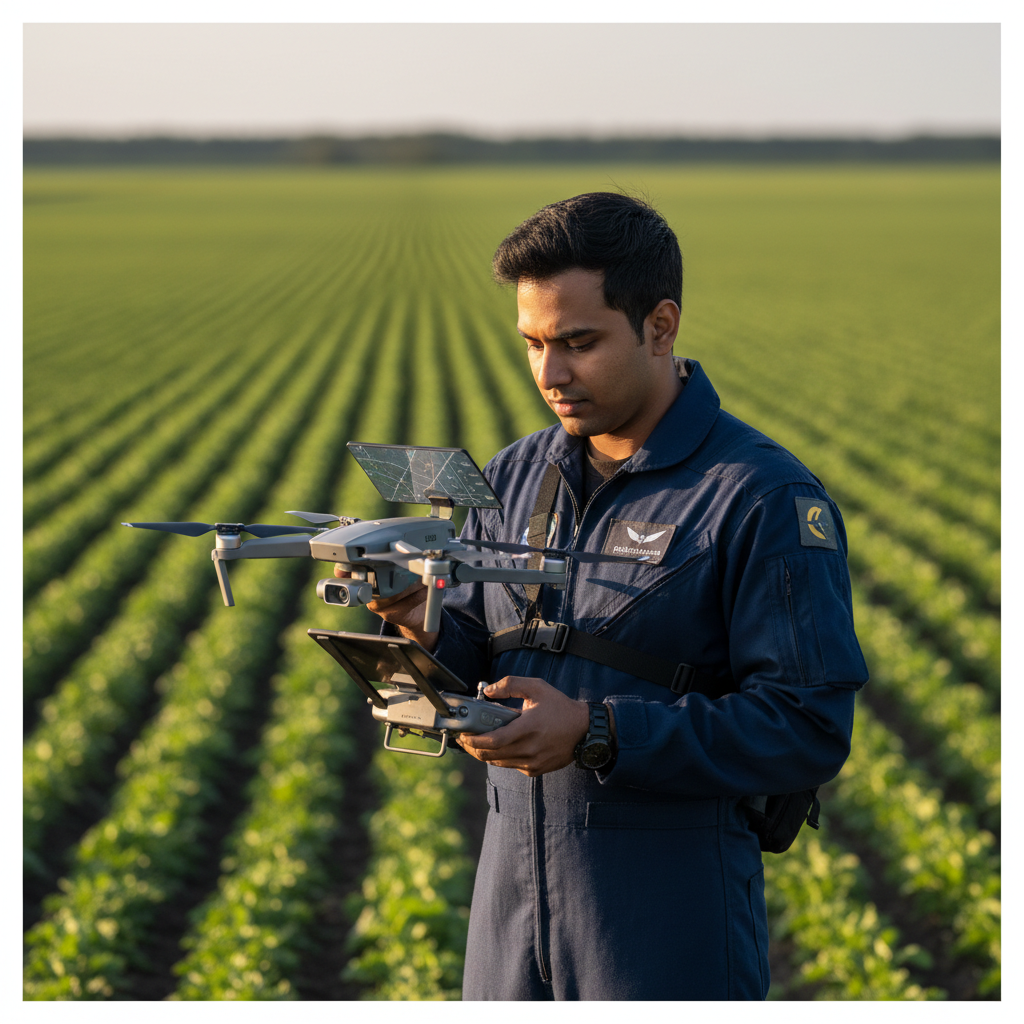
Responsible UAV operations extend beyond compliance with legal requirements. Operators should also consider the environmental and ethical implications of their activities. Minimizing noise pollution and respecting privacy are key aspects of ethical drone usage.
Environmental considerations include avoiding disturbance to wildlife and ensuring that drone operations do not contribute to littering or pollution. Being mindful of these factors reflects a commitment to sustainable and responsible drone usage.
Technological Advancements and Future Outlook
The UAV industry is rapidly evolving with advancements in technology. Innovations such as improved battery life, enhanced camera systems, and AI-driven navigation are paving the way for more efficient and versatile drone applications. However, with these advancements comes the need for updated regulations to address new challenges and opportunities.
The future of UAV operations in the UAE looks promising, with potential growth in sectors like logistics, agriculture, and emergency services. Staying informed about regulatory changes and technological trends will be crucial for operators looking to capitalize on these opportunities.

In conclusion, ensuring compliance and responsible operations for UAVs in the UAE involves understanding regulations, obtaining necessary permits, and considering the broader impact of drone activities. By adhering to these guidelines, operators can contribute to a safe and sustainable drone ecosystem.