
Case Study: Successful Implementation of Drone Command and Control Systems in Local Industries


Introduction to Drone Command and Control Systems
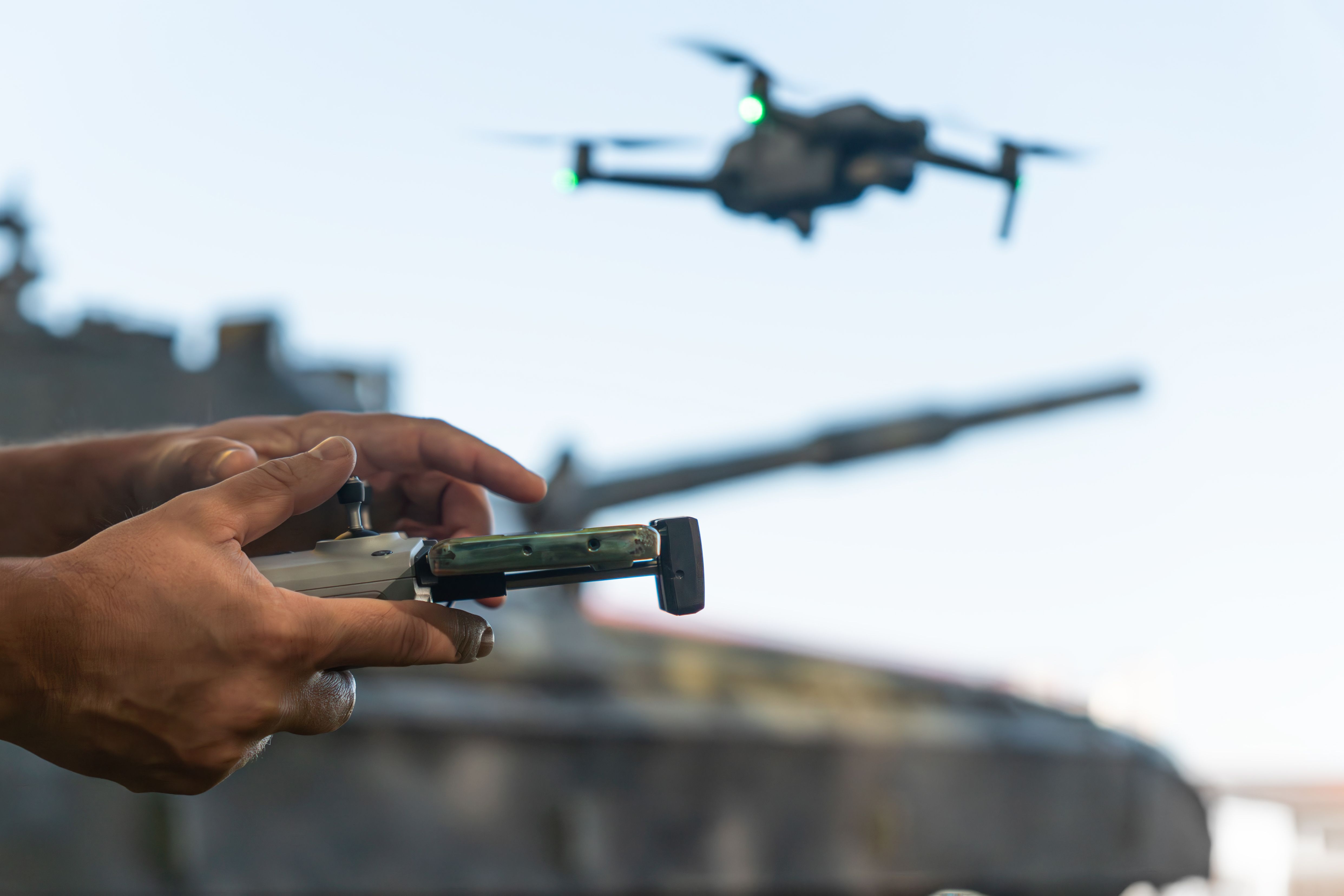
In recent years, the integration of drone technology has revolutionized various industries. Among the critical advancements is the implementation of drone command and control systems, which have significantly enhanced operational efficiency in local industries. This case study delves into the successful adoption and impact of these systems.
The Need for Advanced Systems
Local industries, ranging from agriculture to construction, have faced challenges such as labor shortages and the need for precise monitoring. The implementation of drone command and control systems addresses these issues by providing real-time data collection, analysis, and automation.
Key Benefits
The primary advantages of these systems include:
- Improved Efficiency: Automated controls reduce the need for manual intervention.
- Data Accuracy: High-quality sensors ensure precise data collection.
- Cost-Effectiveness: Reduced operational costs through automation and improved resource management.
Case Study: Agriculture
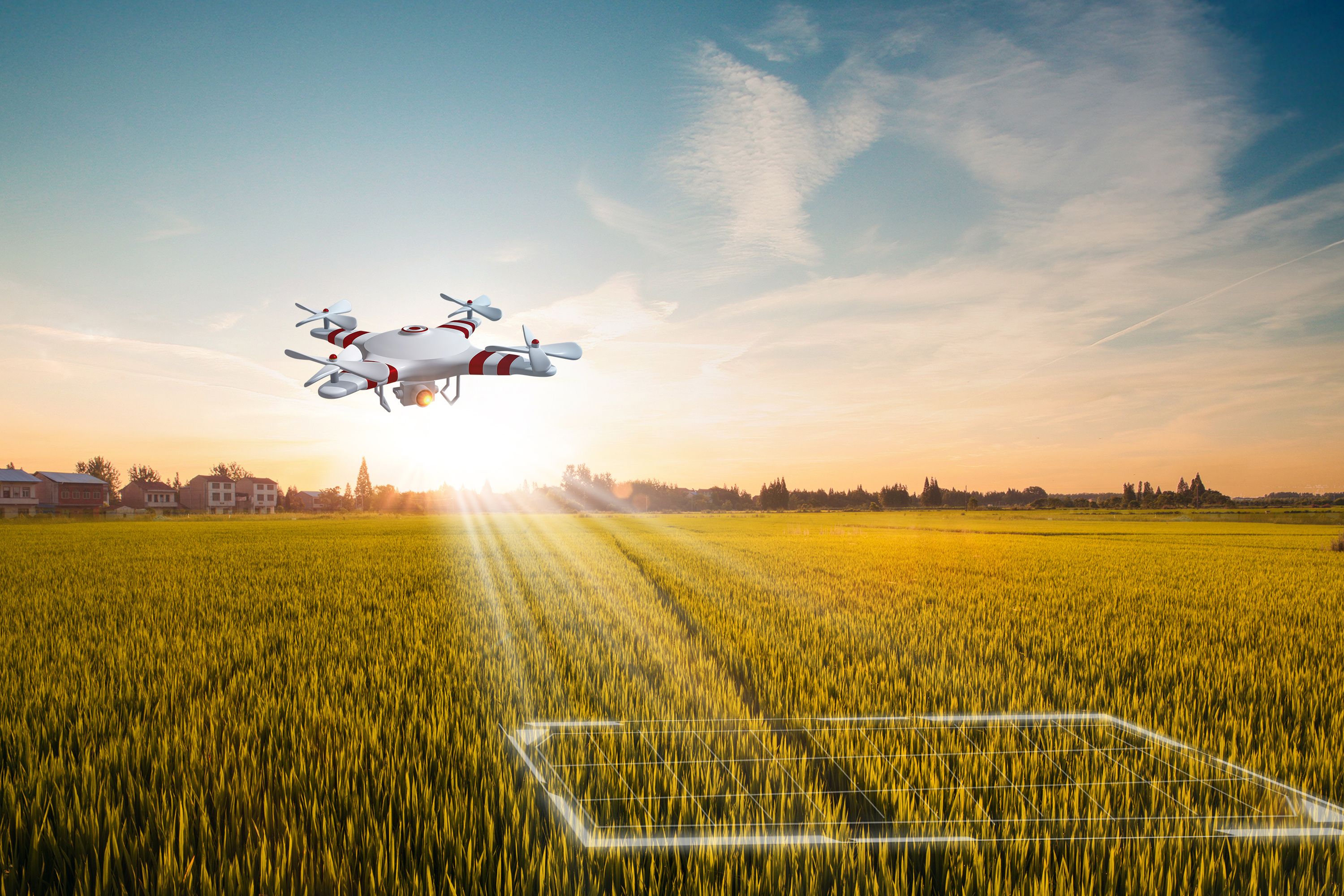
In the agricultural sector, drone command and control systems have been instrumental in optimizing crop management. Farmers utilize drones for soil analysis, irrigation management, and crop health monitoring, leading to increased yields and reduced waste.
Implementation Process
The implementation in agriculture involves several steps:
- Assessment of specific needs and challenges.
- Selection of suitable drone models and control systems.
- Training personnel for operation and maintenance.
- Continuous monitoring and adjustments based on data feedback.
Impact on Construction Industry
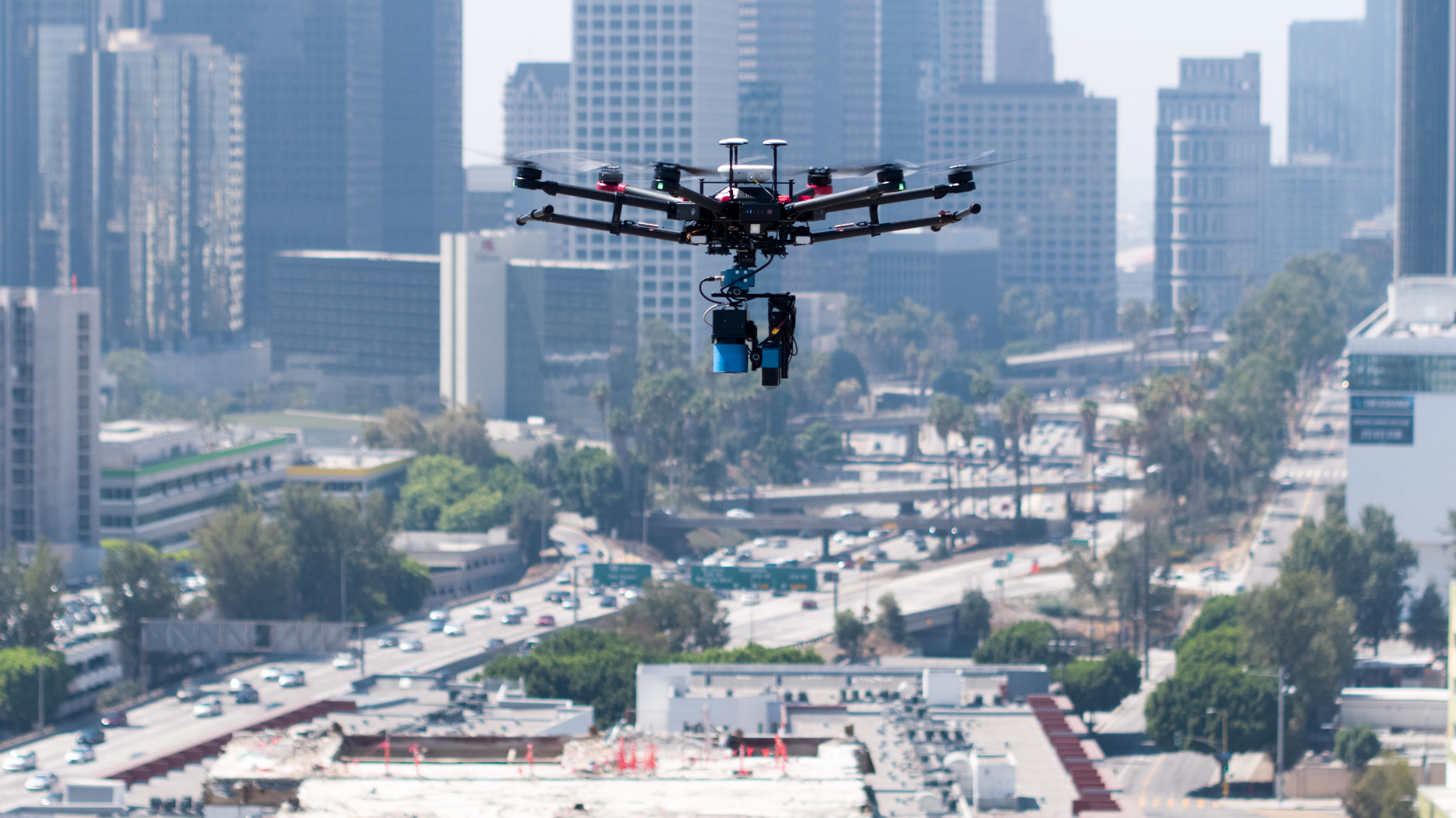
In construction, drones facilitate site surveys, structural inspections, and progress tracking. The command and control systems enable project managers to have a comprehensive view of ongoing projects, ensuring timely completion and adherence to safety standards.
Challenges and Solutions
Despite the benefits, the implementation of drone systems is not without challenges. Issues such as regulatory compliance, technical malfunctions, and data security must be addressed. Solutions include:
- Engaging with regulatory bodies for compliance.
- Implementing robust security protocols.
- Regular maintenance and updates of systems.
Conclusion
The successful implementation of drone command and control systems in local industries marks a significant step forward in technological integration. By enhancing efficiency, accuracy, and cost-effectiveness, these systems pave the way for future innovations and improvements across various sectors.