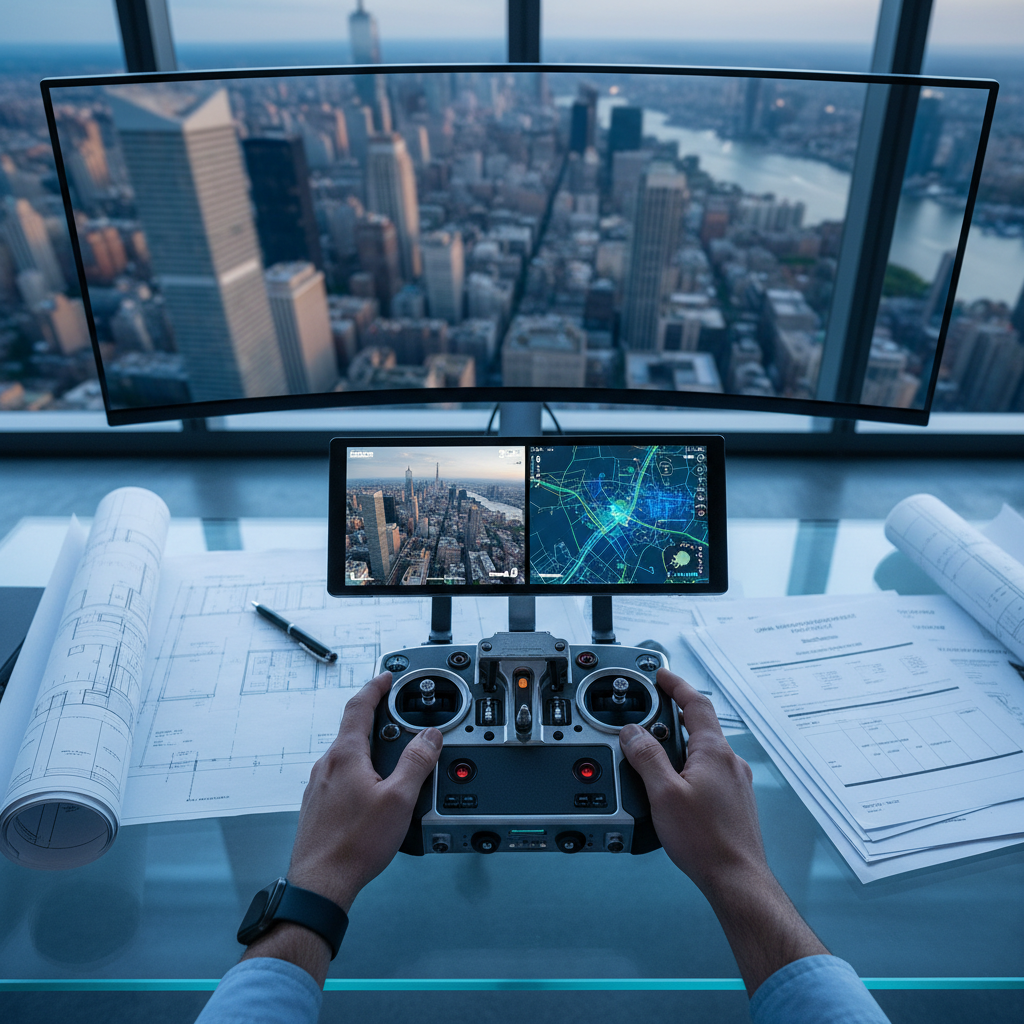
Aerial Photography Drones: Transforming Industrial Inspections


The Rise of Drone Technology in Industrial Inspections
In recent years, aerial photography drones have revolutionized the way industries conduct inspections. By providing a bird's-eye view, drones offer a comprehensive perspective that was previously difficult to achieve. These advanced tools are transforming traditional inspection methods, making them more efficient and cost-effective.
The use of drones in industrial inspections has skyrocketed due to their ability to access hard-to-reach areas, reducing the need for scaffolding or cranes. This not only cuts down on expenses but also enhances safety for workers by minimizing the need for dangerous climbs or hazardous environments.
Advantages of Using Drones for Inspections
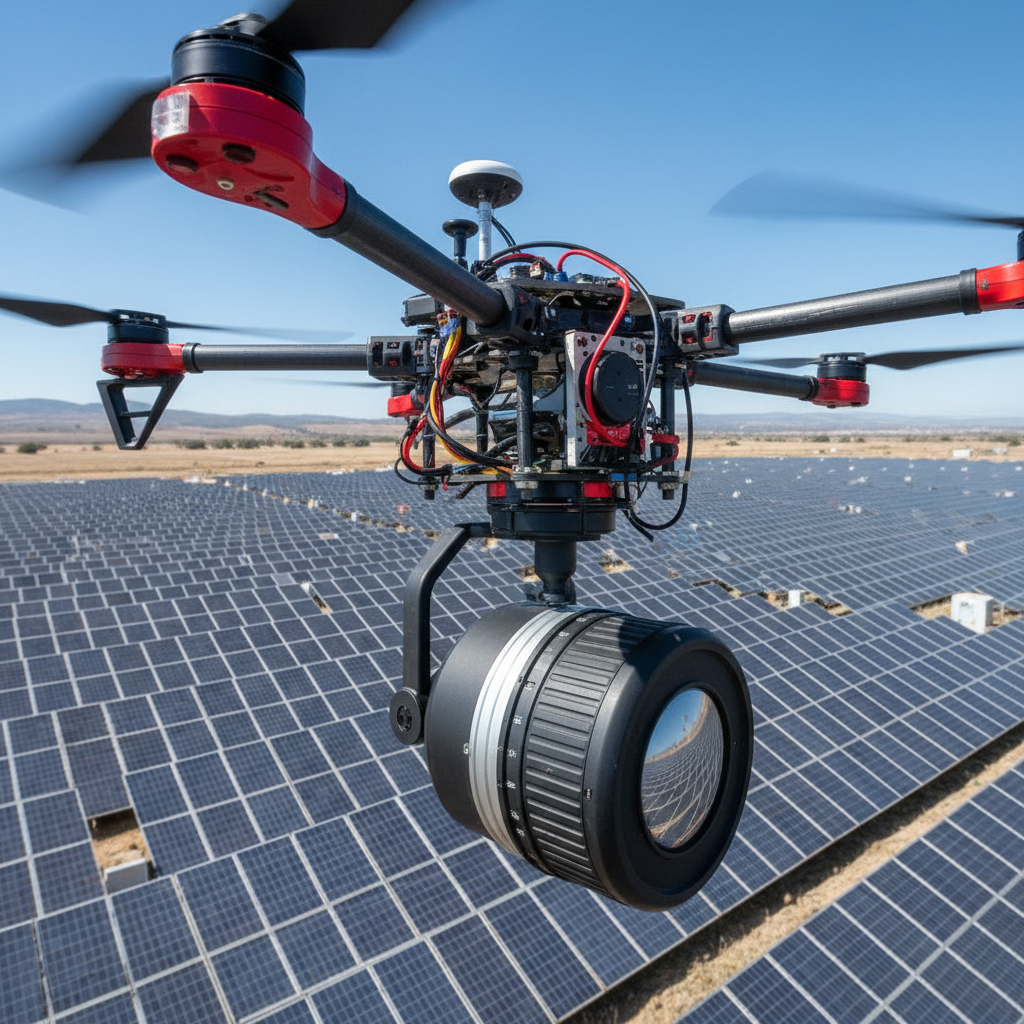
Drones offer numerous benefits, including enhanced data collection and real-time reporting. With high-resolution cameras and sensors, they capture detailed images and data, allowing for thorough analysis and quicker decision-making. This capability is crucial for industries such as oil and gas, construction, and utilities, where precision and speed are vital.
Additionally, drones can operate in various weather conditions, ensuring that inspections can be conducted promptly and without delay. This flexibility is invaluable in maintaining operational efficiency and avoiding costly downtimes.
Applications Across Various Industries
The versatility of drones makes them suitable for a wide range of applications. In the energy sector, drones inspect wind turbines and solar panels, identifying issues like wear and tear, and ensuring optimal performance. In construction, they monitor progress, providing stakeholders with up-to-date information and visual documentation.
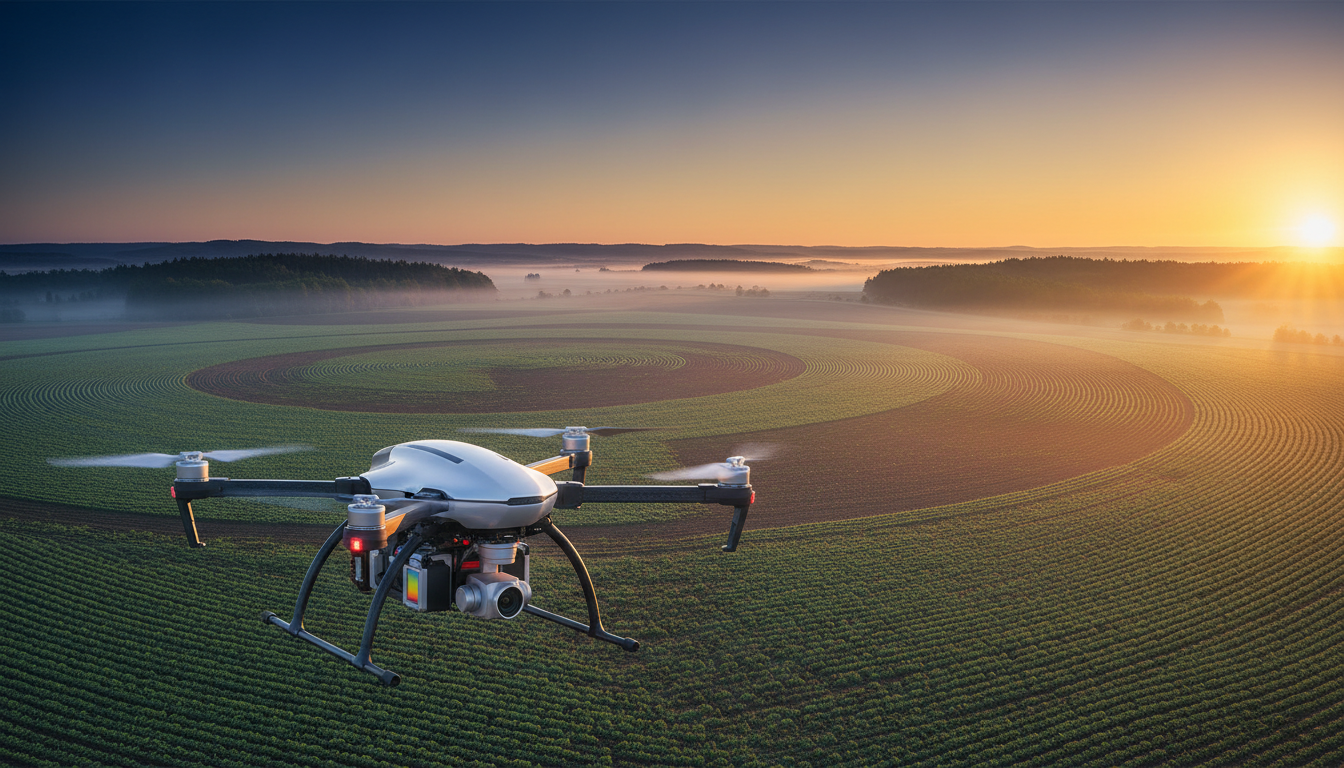
Similarly, in agriculture, drones assess crop health and gather data to enhance yield. In each of these fields, drones have become indispensable tools, streamlining processes and providing critical insights.
Challenges and Considerations
Despite their numerous advantages, integrating drones into industrial inspections comes with challenges. Regulatory compliance and privacy concerns are significant considerations that businesses must address. Ensuring that drone operations adhere to local and national regulations is crucial for legal and ethical operation.
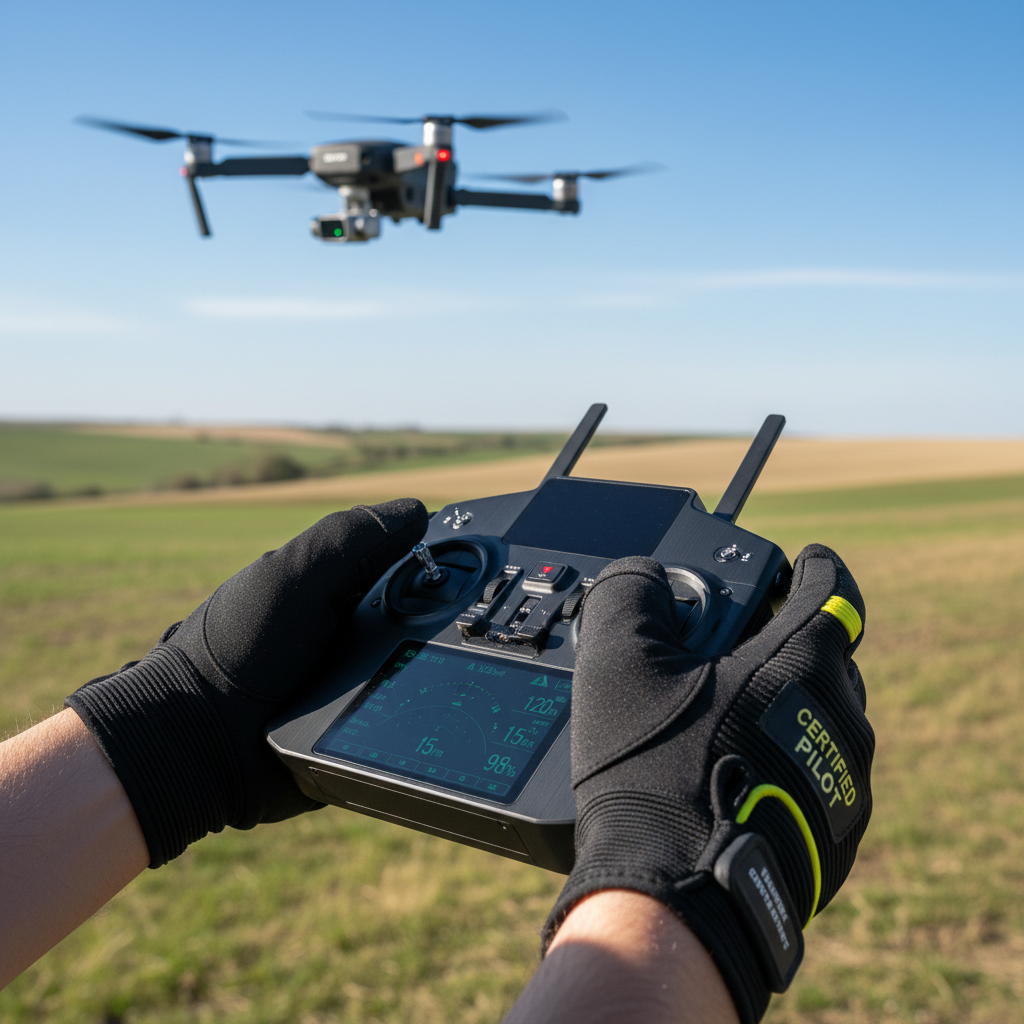
Moreover, industries must invest in specialized training for personnel to effectively operate drones and interpret the data collected. This requires time and resources but is essential for maximizing the benefits of drone technology.
The Future of Industrial Inspections with Drones
The potential for drones in industrial inspections continues to grow as technology advances. Innovations in artificial intelligence and machine learning are enabling drones to perform more complex tasks and data analysis autonomously. This evolution promises even greater efficiency and accuracy in inspections.
Ultimately, the integration of drones into industrial practices is not just a trend but a significant shift towards modernizing inspection processes. As industries continue to embrace this technology, we can expect even more groundbreaking developments in the future.