
A Guide to Compliance and Responsible Drone Operations in the UAE


Understanding Drone Regulations in the UAE
The United Arab Emirates is a leader in adopting new technologies, including drones. However, with innovation comes the responsibility to operate these devices safely and within legal boundaries. The UAE has established comprehensive regulations to ensure that drone operations are conducted responsibly. Understanding these rules is crucial for hobbyists and professionals alike.
In the UAE, the General Civil Aviation Authority (GCAA) oversees drone regulation. It is essential for drone operators to familiarize themselves with the GCAA's guidelines to avoid penalties and ensure safe operations.
Registration and Licensing
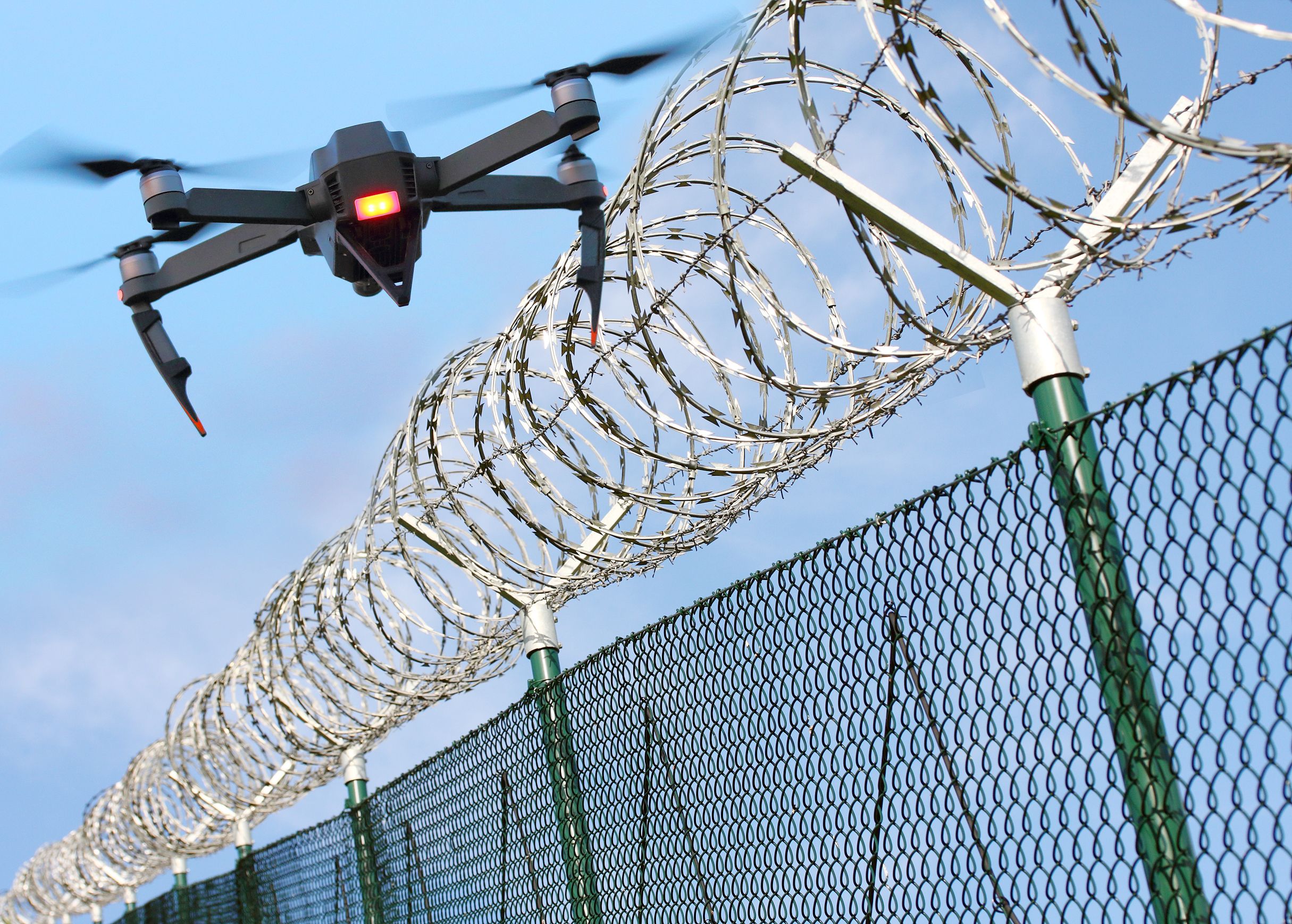
Before flying a drone in the UAE, registration is mandatory. Both recreational and commercial drones must be registered with the GCAA. Additionally, commercial operators need to obtain a Remote Pilot License (RPL). This process ensures that only qualified individuals are operating drones, thus enhancing safety and accountability.
The registration process involves submitting personal details, drone specifications, and intended use. Once approved, operators receive a unique identification number that must be displayed on the drone.
Operational Guidelines
Adhering to operational guidelines is critical for safe drone usage. The GCAA has outlined specific rules, including restrictions on flying near airports, military areas, and densely populated regions. Drones must not exceed a height of 400 feet above ground level, and operators should always maintain a visual line of sight with their drones.
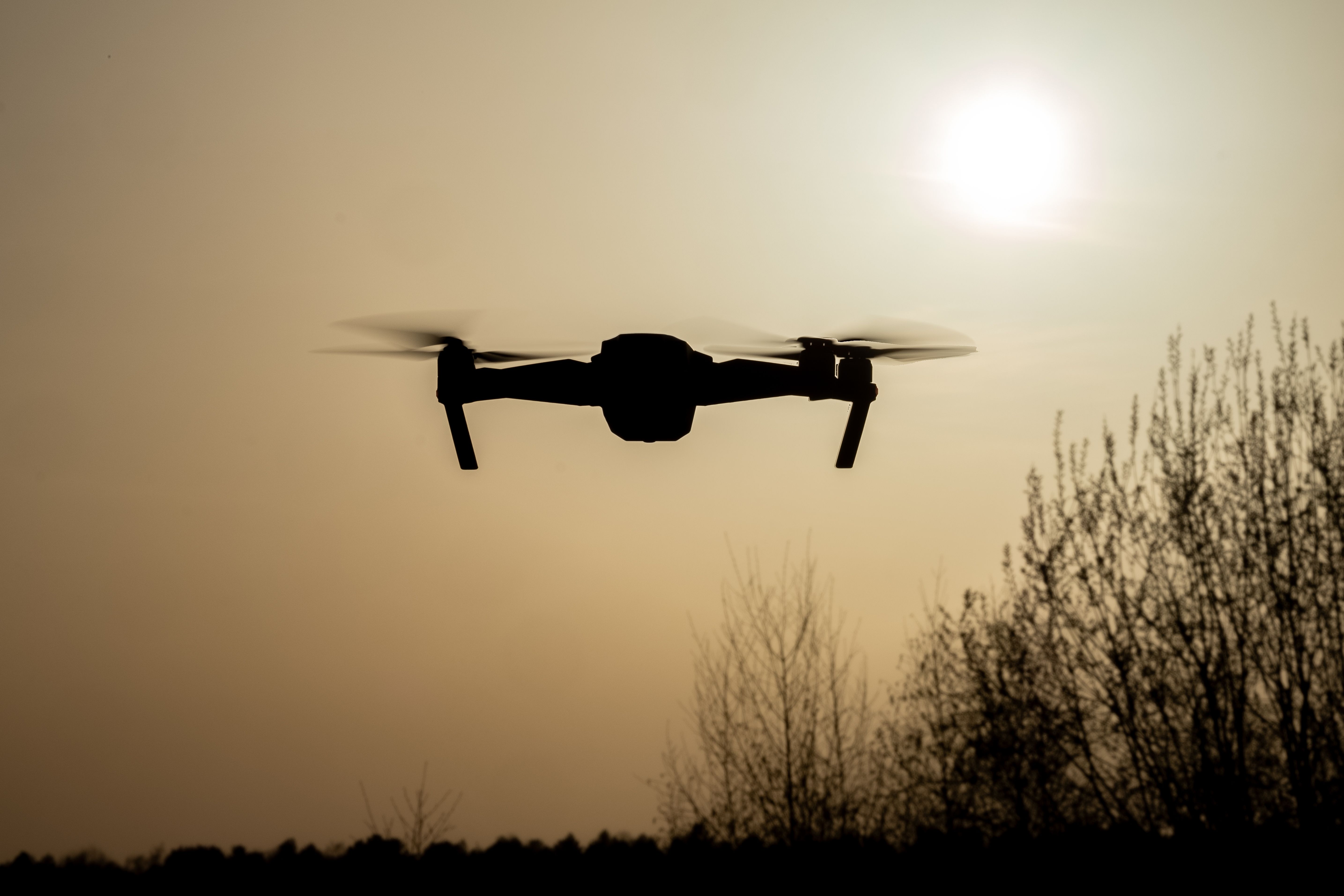
Additionally, night flying is generally prohibited unless special permission is granted. These guidelines are designed to prevent accidents and conflicts with manned aircraft.
Privacy Concerns and Ethical Use
Drones equipped with cameras can easily infringe on privacy. Operators must be aware of the ethical considerations and legal restrictions related to capturing images or videos of individuals without consent. Respecting privacy is not only a legal obligation but also a fundamental aspect of responsible drone operation.
Insurance and Liability
Obtaining insurance for drone operations is highly recommended, especially for commercial use. Insurance can cover damages caused by the drone to property or individuals, offering peace of mind and financial protection. Some insurance providers specialize in drone coverage, offering policies tailored to different operational needs.

Being insured also reflects a commitment to responsible operation, as it demonstrates preparedness for unforeseen incidents.
Staying Updated with Regulations
The regulatory landscape for drones is continually evolving. Operators must stay informed about any changes in laws or guidelines by regularly checking updates from the GCAA. Joining local drone clubs or online forums can also be beneficial for sharing experiences and staying connected with the drone community.
By understanding and adhering to the regulations, drone operators in the UAE can enjoy the benefits of this technology while ensuring safety and compliance.