
A Case Study: Successful Drone Integration for Training and Simulation


Introduction to Drone Integration in Training
In recent years, drones have emerged as a transformative technology across various industries. Their integration into training and simulation has proven particularly beneficial, offering innovative ways to enhance learning experiences. This case study explores how a leading organization successfully incorporated drones into its training programs, leading to improved outcomes and efficiencies.
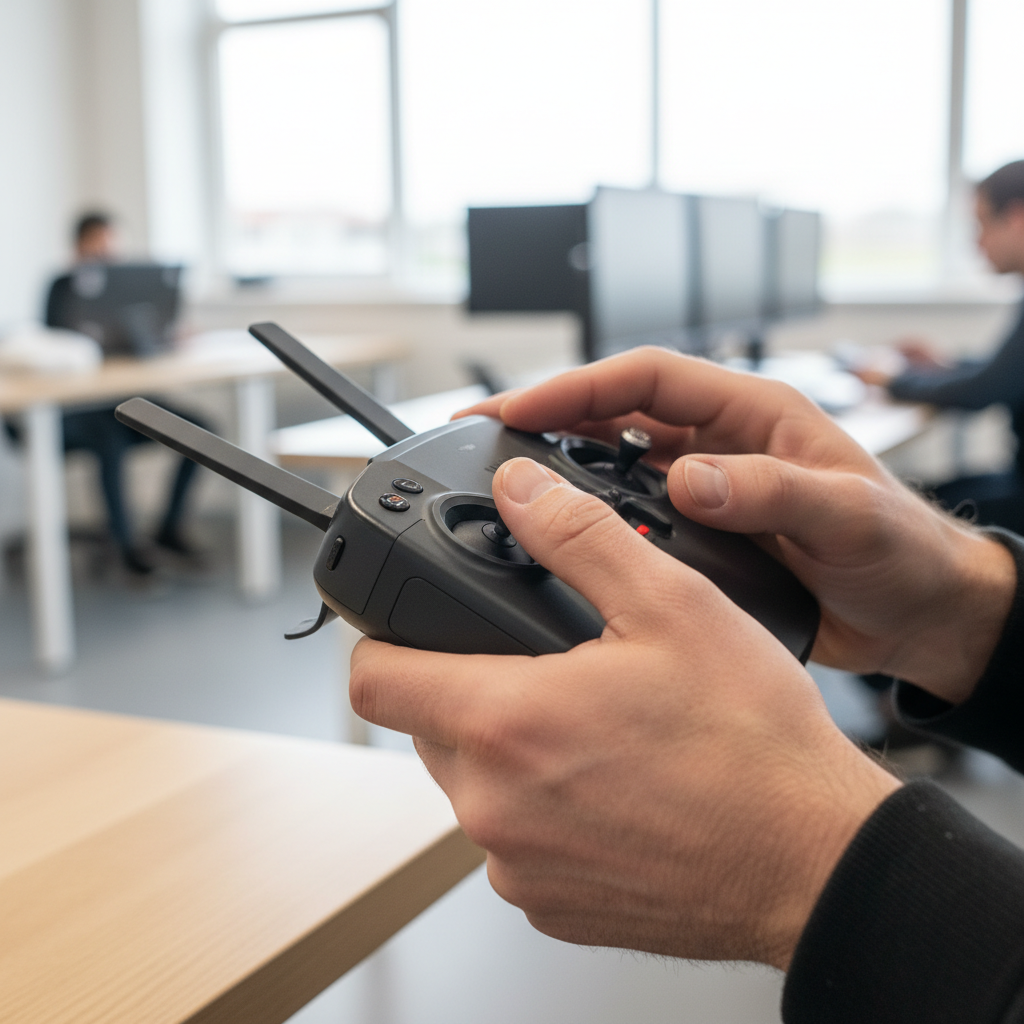
Objectives and Challenges
The primary objective was to enhance the realism and effectiveness of training sessions. Traditional training methods often lacked the dynamic and immersive experiences necessary for comprehensive learning. However, integrating drones posed challenges, such as ensuring safety, managing costs, and providing adequate training for trainers.
To address these challenges, the organization developed a structured plan that emphasized safety protocols, budget management, and specialized training modules for instructors. This plan was pivotal in overcoming initial hurdles and setting the stage for successful implementation.
Implementation Strategy
The implementation strategy involved a phased approach. Initially, the organization conducted pilot programs to test the feasibility and effectiveness of drone integration. These pilots focused on specific training scenarios where drones could provide significant value, such as search and rescue simulations and environmental monitoring exercises.

Upon successful completion of the pilot phase, the organization expanded the use of drones across all relevant training programs. They invested in high-quality drone technology and developed customized simulation software to enhance the learning experience further.
Training for Trainers
A critical component of the integration was training the trainers. The organization organized workshops and certification courses to ensure instructors were well-versed in operating drones and integrating them into their training modules. This focus on instructor readiness was crucial for seamless adoption.
Outcomes and Benefits
The integration of drones into training programs resulted in numerous benefits. Trainees reported a higher level of engagement and understanding, attributing the immersive simulations to more effective learning. Additionally, the use of drones allowed for real-time feedback and assessment, providing valuable insights into trainee performance.

Moreover, the organization observed a reduction in training costs over time. While the initial investment in drone technology was substantial, the long-term savings from improved training efficiency and reduced need for physical resources were significant.
Future Prospects
Looking ahead, the organization plans to expand its use of drones in training further. They are exploring the integration of artificial intelligence to enhance drone capabilities, aiming for even more sophisticated simulations. This forward-thinking approach ensures that they remain at the forefront of training technology.
In conclusion, the successful integration of drones into training and simulation underscores the transformative potential of this technology. By addressing challenges head-on and focusing on strategic implementation, organizations can unlock new levels of training effectiveness and efficiency.